










Mic Preamps 101: What Are They and How to Choose the Right One?
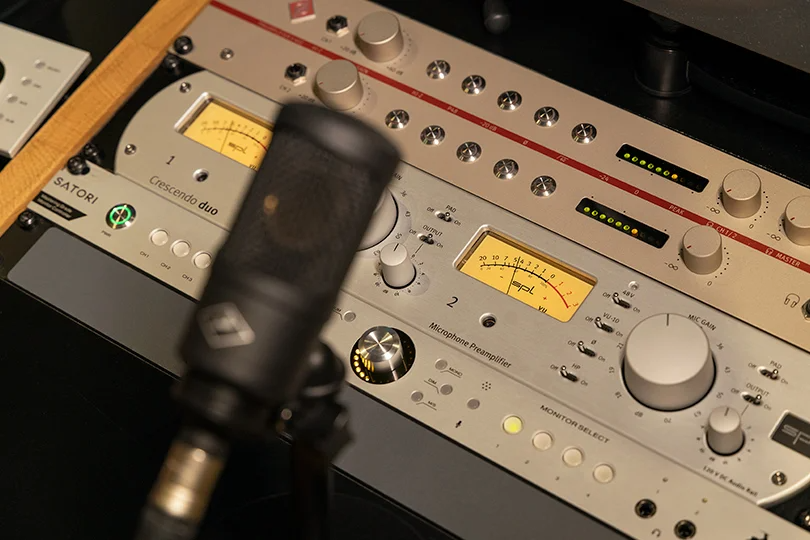
Choosing the right microphone is an exciting journey for any studio owner — but even the best microphone needs a partner to truly shine. That partner is the Microphone Preamplifier (or a "mic preamp").
A preamp can either highlight your microphone's best qualities or bury them completely. Today, we are breaking down everything you need to know about choosing a preamp, specifically for those starting their journey in sound recording.
Contents
What is a Microphone Preamp?
A preamp boosts the weak electrical signal from a microphone to a "line-level" signal. This stronger signal is required for your amplifier, studio monitors, or recording interface to process the sound effectively.
The signal flow goes like this: Microphone → Preamp → Recording Device.
Preamp vs. Amplifier: What is the difference?
While both devices make things "louder," they serve different purposes:
- Preamp takes a weak microphone signal (Mic Level) and boosts it to a standard working level (Line Level).
- Power Amplifier takes that standard Line Level signal and boosts it significantly to drive speakers (Speaker Level).
Form Factors: Shapes and Sizes
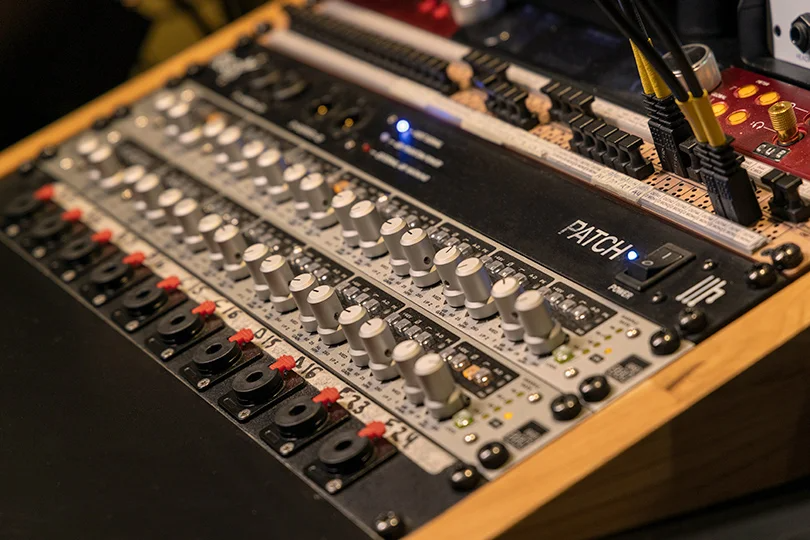
Preamps come in various shapes to fit different studio setups. We can categorize them into three main groups.
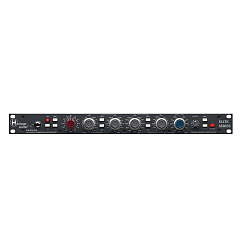
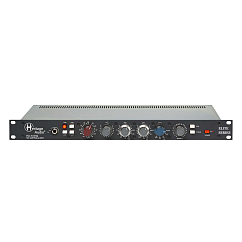
Rack-Mount
These are designed to fit into standard 19-inch studio racks (482.6 mm width).
- Best for: Professional studios or fixed setups.
- Pros: All cabling is usually tucked away at the back, keeping your workspace clean. They often offer easy access to controls alongside other outboard gear.
Desktop & Boosters
Compact solutions that sit right on your desk or next to the mic.
- Best for: Home studios and mobile recording.
- Pros: Portable and easy to handle.
This category also includes so-called "Mic Boosters." These are simple devices placed between the mic and interface to add clean gain and sonic character (aka color) to dynamic or ribbon mics.
500 Series
These are modular preamps that slot into a specific "500 series chassis" or console.
- Best for: Customizing your sound palette without taking up space.
- Pros: Generally cheaper than full rack units, allowing you to mix and match different preamp "flavors" in one box. However, they require a separate chassis to power them.
Types of Preamps: The Flavor of Sound
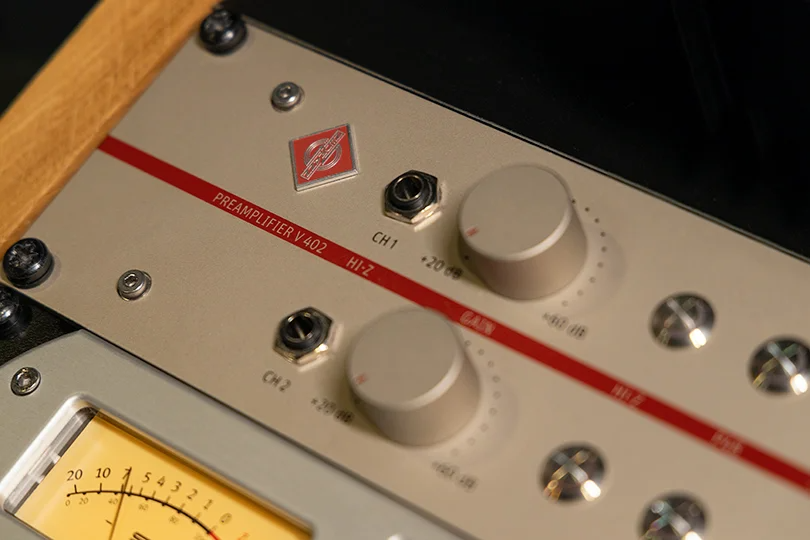
The internal components of a preamp define its sound character. Here are the three main technologies.
Tube Preamps
These use vacuum tubes to amplify the signal. This technology dates back to the dawn of recording, but it remains incredibly popular.
- The Sound: Known for "warmth" and softness, tubes add pleasant harmonic distortion that thickens the sound. They often emphasize midrange frequencies and naturally compress highs and lows.
- Best for: Vocals, guitars, and adding a "vintage" vibe.
Solid-State (aka Transistor) Preamps
These use transistors instead of tubes.
- The Sound: Cleaner, faster, and more precise. They have very low distortion and handle high sound pressure levels well.
- Best for: Capturing the source exactly as it is. Great for classical music, drums, or when you want a "transparent" sound.
Hybrid Preamps
These combine both worlds, using both tube and transistor stages.
- The Sound: They aim to offer the dynamic range of solid-state with a touch of tube warmth.
Key Features to Look For
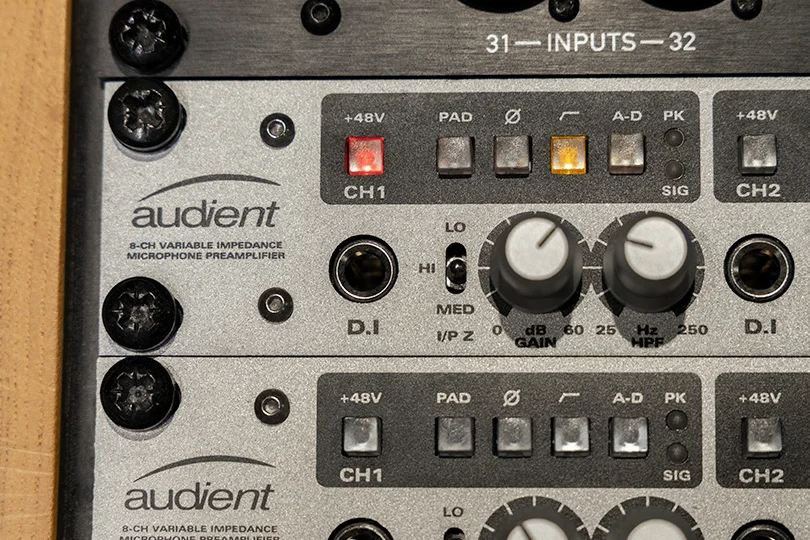
Beyond just making the signal louder, good preamps offer tools to shape your sound.
- Low-Cut Filter (High-Pass): Cuts off low frequencies below 80–150 Hz. Essential for removing rumble, AC hum, or footsteps when recording vocals.
- Phantom Power (+48V): A switch to power condenser microphones is a must-have for any modern preamp.
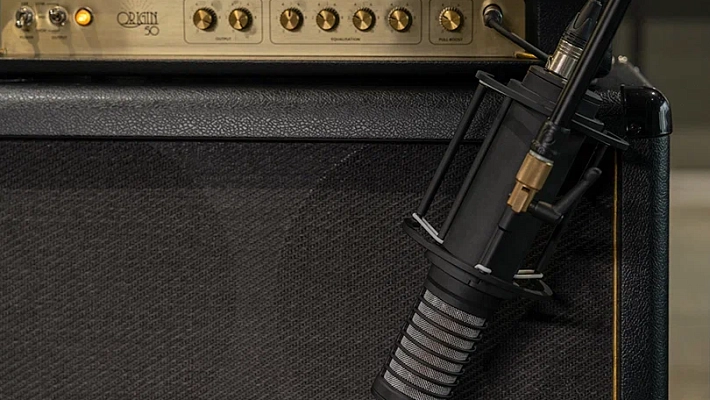
- Pad: Lowering the input signal by -10dB or -20dB is crucial when recording very loud sources like drums or guitar amps to prevent clipping.
- Phase Invert:Flips the polarity of the signal. Vital when using multiple microphones on one source (like a snare drum top and bottom) to prevent phase cancellation.
- Impedance Selection: Some preamps let you change the input impedance (Hi-Z). This changes how the microphone interacts with the preamp, offering different tonal colors.
The Verdict
Choosing a preamp depends entirely on your goals.
- For a home studio:A high-quality 1 or 2-channel desktop or rack unit is usually sufficient.
- For recording drums/bands: You will need a multi-channel preamp with 4 to 8 inputs.
- For vocals: A Tube preamp is often the preferred choice for that classic, warm radio sound.
Remember: a good preamp is an investment. It will serve you for years, expand your recording capabilities, and help you find your unique sound signature.
Want to hear the difference yourself? Come to the Dr.Head showroom in Dubai to test various preamps in our dedicated studio environment. We’ll find the preamp that suits your needs perfectly together, and you’ll love every second of the process.


Circuit design: discrete
: 46, 45
Headphone output: 3.5mm jack, 6.35mm jack

Brand: Heritage Audio
Form factor: stationary
Input connectors: 6.35mm jack
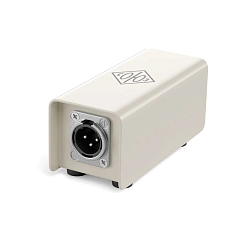
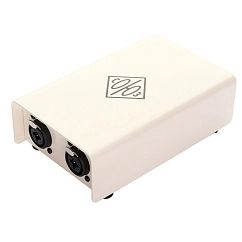
Brand: Soyuz
Form factor: portable
Input connectors: XLR, 6.35mm jack

Brand: Heritage Audio
Form factor: stationary
Input connectors: XLR

Brand: Heritage Audio
Form factor: stationary
Input connectors: XLR, 6.35mm jack
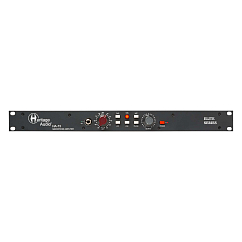
Brand: Heritage Audio
Form factor: stationary
Input connectors: XLR, 6.35mm jack