










From Beethoven to Fighter Jets: The Wild History of Bone Conduction Headphones

We tend to think of bone conduction headphones as a futuristic gadget for high-tech runners and cyclists. But the truth? This technology is older than the lightbulb, the telephone, and even the radio.
Before we were buying them for marathons, this tech was being used by Renaissance doctors, deaf musical geniuses, and Cold War fighter pilots. Let’s take a trip through the history of hearing without ears.
Contents
The Ancient Roots: Listening to the Earth
Long before speakers existed, humans knew that sound could travel through solid ground. But the specific science of bone conduction dates back to the 16th century. Italian physician Girolamo Cardano made a breakthrough discovery: sound could be transmitted through a person's teeth and skull, bypassing the ears entirely.
Early doctors used this to diagnose hearing loss. They would press a metal rod against a patient's teeth. If the patient could hear the vibration, their auditory nerve was working, even if their ears weren't.
The Deaf Genius: Ludwig van Beethoven
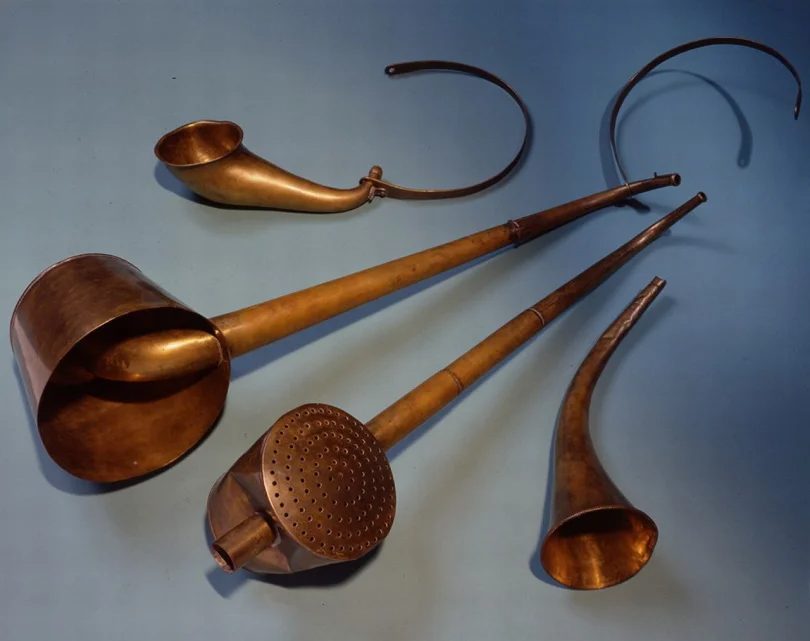
The most famous early user of "bone conduction tech" was none other than Ludwig van Beethoven.
By his late 20s, the legendary composer was going deaf. By his 40s, he could barely hear anything. Yet, he went on to compose some of his greatest works, including the Ninth Symphony, in total silence. How?
Beethoven improvised his own hearing aid. He would attach one end of a metal rod to his piano and clench the other end between his teeth. As he played, the vibrations of the piano traveled up the rod, through his jawbone, and directly into his inner ear. He literally "heard" the music through his skull. He was centuries ahead of his time, indeed.
The 20th Century: From Medicine to the Military
1930s — The First Wearables
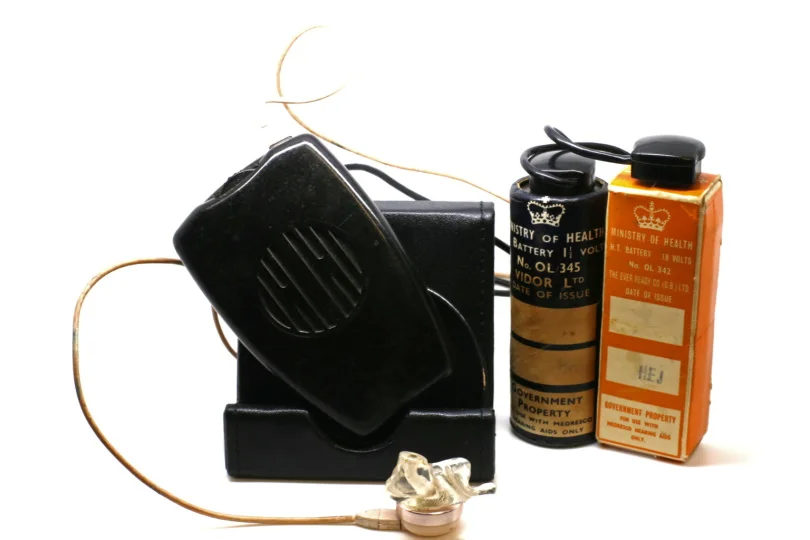
In 1932, long before Google Glass, inventor William G.G. Benway created eyeglasses with a built-in bone conduction hearing aid. Around the same time, the "Lieber Oscillator" brought the tech to the masses, helping people with damaged eardrums hear clearly again.
1950s — The Jet Age
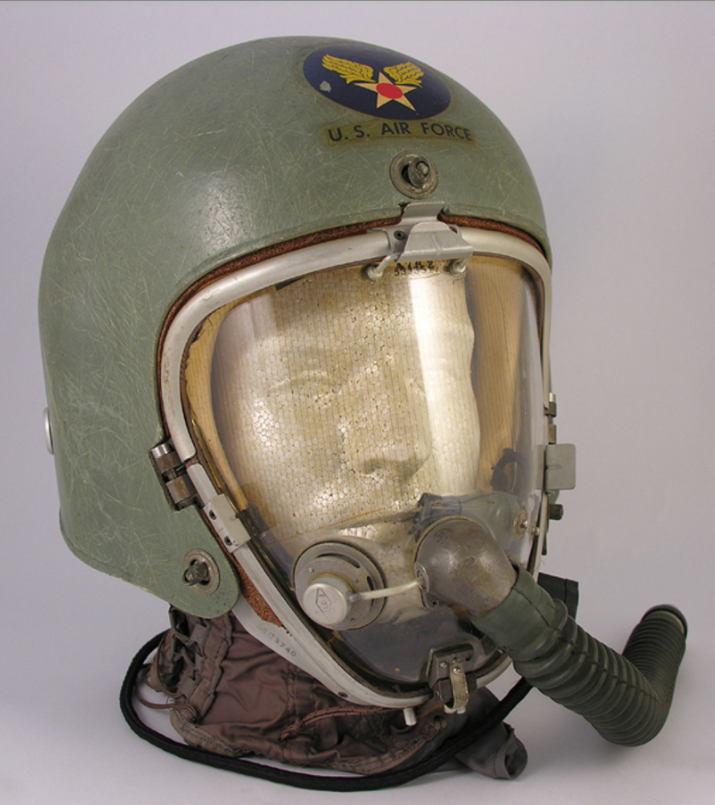
As military aircraft broke the sound barrier, cockpits became deafeningly loud. Traditional headphones were useless against the roar of a jet engine. The solution? Bone conduction. Engineer Clairdon Cunningham designed a helmet for pilots with built-in bone conduction transducers. This allowed commanders to beam orders directly into the pilot's head, cutting through the noise of the engine. This military heritage is exactly why modern bone conduction headphones are so rugged and reliable today.
The Modern Era: Situational Awareness
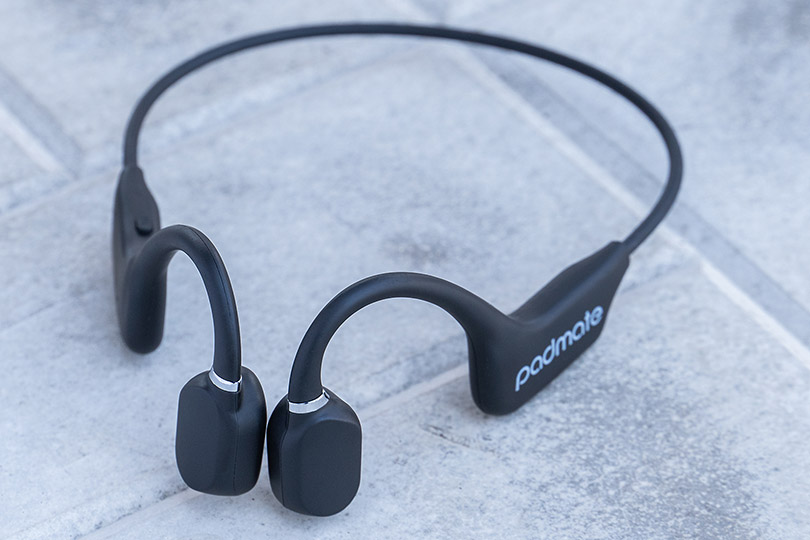
In the 1980s, the focus shifted from medical and military use to consumers. The goal wasn't just to help the deaf hear, but to help everyone hear more safely. Inventors realized that by leaving the ear canal open, runners and cyclists could enjoy music (from their Walkmans!) while still hearing traffic and their surroundings.
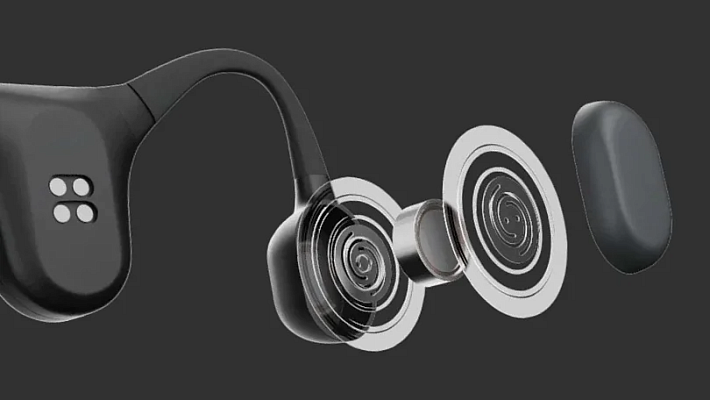
Today, brands like Shokz (formerly AfterShokz) have refined this tech into the sleek, waterproof sports gear we know. But the core principle remains exactly the same as it was in Beethoven's music room: bypassing the ears to deliver sound straight to the brain.
The Final Word
Bone conduction isn't just a cool feature; it's a piece of history. It’s a technology that has evolved from a metal rod in a composer's mouth to a vital tool for fighter pilots, and finally, to the ultimate safety accessory for your morning run.
Want to experience the tech that Beethoven used to compose his symphonies in sleek modern form? Come visit the Dr. Head showroom in Dubai and try out the latest bone conduction headphones for yourself.

Brand: Shokz
Headphone type: wireless
The lowest frequency, Hz: 20

Brand: Shokz
Headphone type: wireless
The lowest frequency, Hz: 20

In-Ear headphone type: true wireless
Brand: Shokz
Headphone type: wireless

In-Ear headphone type: true wireless
Brand: Shokz
Headphone type: wireless

Brand: Shokz
Headphone type: wireless
The lowest frequency, Hz: 20
Brand: Shokz
Headphone type: wireless
The lowest frequency, Hz: 20
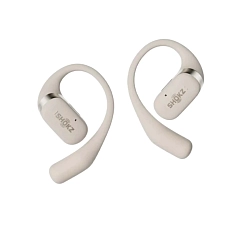
Brand: Shokz
Headphone type: wireless
The lowest frequency, Hz: 50

Brand: Shokz
Headphone type: wireless
The lowest frequency, Hz: 20

In-Ear headphone type: true wireless
Brand: Shokz
Headphone type: wireless
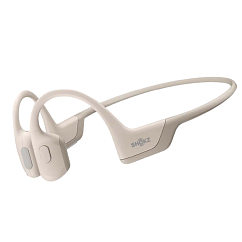
Brand: Shokz
Headphone type: wireless
The lowest frequency, Hz: 20

Brand: Shokz
Headphone type: wireless
The lowest frequency, Hz: 20

Brand: Shokz
Headphone type: wireless
The lowest frequency, Hz: 20