











Feel the Music: A No-Nonsense Guide to Choosing Hi-Fi Speakers
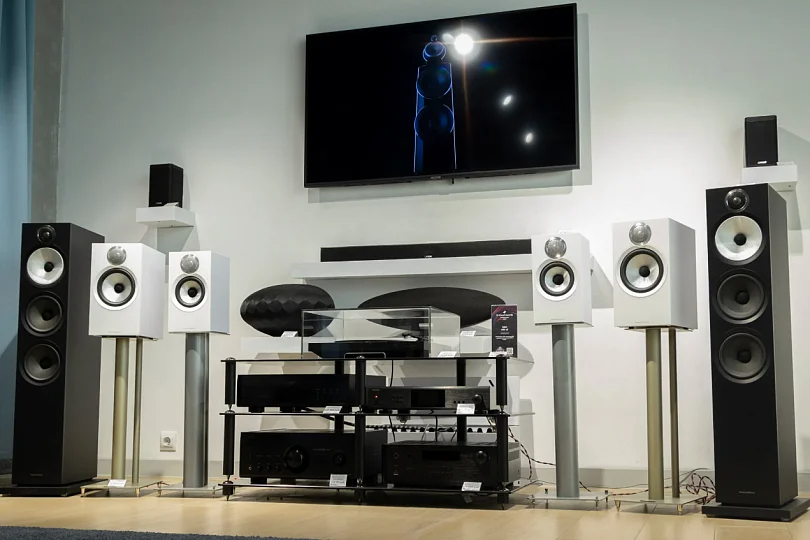
Think of your Hi-Fi system like a band. Your source is the lead singer, the amp is the rhythm section, but what about your speakers? Well, they're the whole stage! They are the final, crucial link in the chain — the part that turns a cold electrical signal into pure, soul-stirring music.
Get them right, and they'll unlock the magic in your system. Get them wrong, and even the best gear will sound mediocre. The market is flooded with options, so how do you choose the perfect pair without getting lost? It's easier than you think. Let's break down the essentials.
Contents
Rule #1: Your Room is Part of the System
The single biggest factor in choosing a speaker is your listening space. A massive speaker in a tiny room will sound boomy and overwhelming, while small speakers will get lost in a large, open-plan living area.
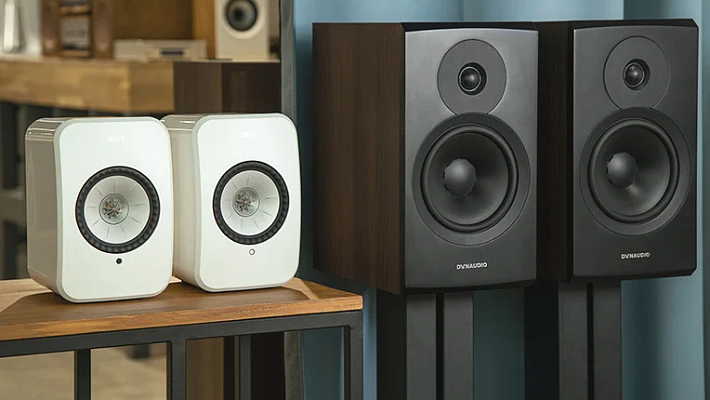
- For Smaller Rooms (<15 sq. meters): A quality pair of bookshelf speakers is usually the perfect fit. They're designed to deliver a clear, detailed sound without overpowering the space.
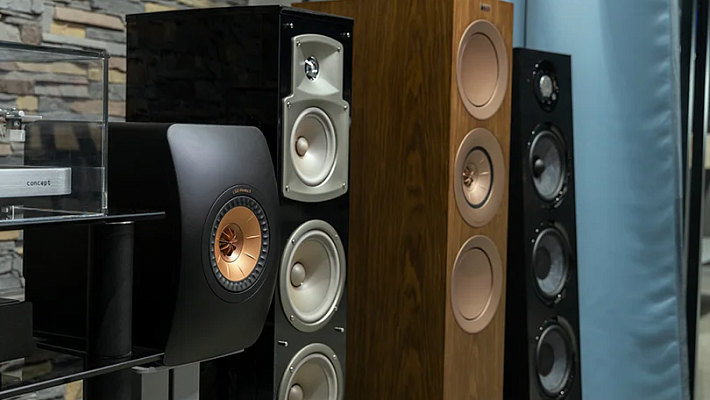
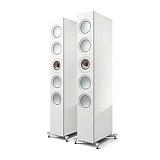
- For Larger Rooms (>15 sq. meters): To properly fill a bigger space with sound, you'll need the power and scale of floorstanding speakers.
But it's not just about size; it's about placement. Most speakers need some breathing room from the walls. Placing a speaker too close to a wall can artificially boost and muddy the bass (a phenomenon called "boundary gain"). A small bookshelf speaker might only need 10–20 cm, while a big floorstander could demand a meter or more to sound its best. A great practical tip is to experiment with "toe-in" — angling the speakers slightly towards your listening position. This can dramatically focus the stereo image and create a more immersive soundstage.
And yes, while they're called "bookshelf" speakers, please don't put them on an actual bookshelf! The proper English term has evolved to "standmount," because they sound infinitely better on a pair of heavy, dedicated speaker stands that isolate them from vibrations.
Active vs. Passive: The Great Power Debate
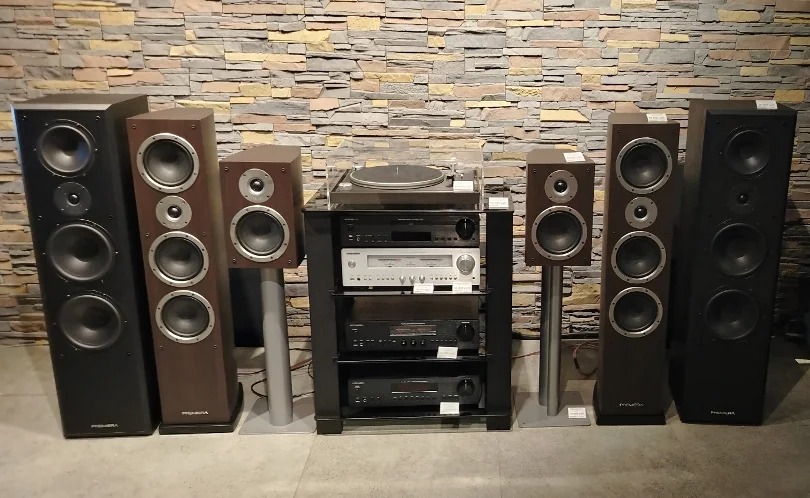
This is a fundamental choice. The difference is simple:
- Passive Speakers need a separate, external amplifier to power them. This is the traditional Hi-Fi route.
- Active Speakers have the amplifiers built directly into the speaker cabinet.
The vast majority of high-end Hi-Fi speakers are passive. This gives you the ultimate flexibility to mix and match components. You can upgrade your amplifier, source, or speakers independently, constantly tweaking and perfecting your system. It's the path for the audio adventurer.
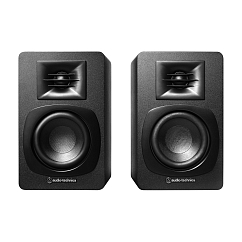
Active speakers, on the other hand, are a perfect, all-in-one solution. The internal amplifiers are perfectly matched to the drivers by the engineers, ensuring optimal performance. This is why they're the standard in professional recording studios. For home use, they offer a minimalist, high-performance setup with fewer boxes and cables.
Don't Break the Chain: The Art of System Matching
A Hi-Fi system is a team, and it's only as strong as its weakest link. If you spend 90% of your budget on incredible speakers but pair them with a cheap, underpowered amplifier, you'll never hear what those speakers are truly capable of.
The golden rule is balance. Every component in your audio chain — from the source to the amp to the speakers — should be of a similar quality and class. This ensures that each part of the system can perform to its full potential.
It’s All About Vibe: Finding Your Sonic Signature
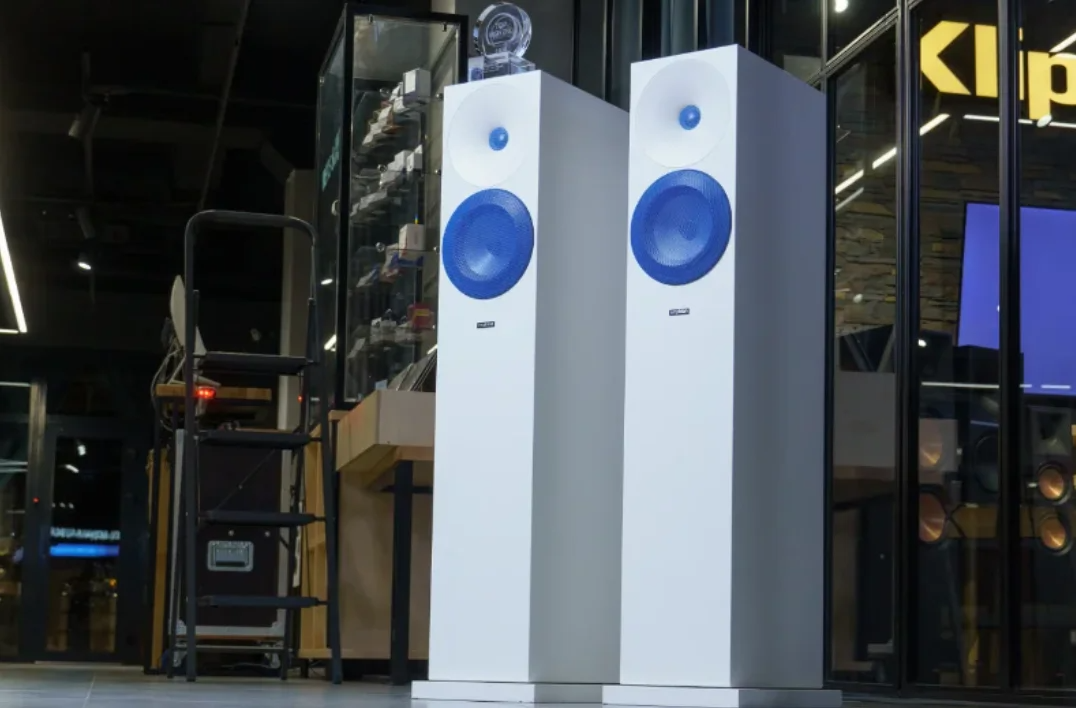
Just like with headphones, there's no single "best" sound that suits everyone. Different brands have different philosophies, resulting in speakers with unique sonic personalities. What's your flavor?
- Are you looking for a warm, rich sound with smooth highs that you can listen to for hours?
- Do you prefer a sound with a strong focus on crystal-clear vocals?
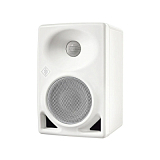
- Or are you a fan of the brutally honest, reference-quality sound of a studio monitor, which some find a bit "dry" but is incredibly detailed?
The only way to answer this is to listen. Bring your favorite music — the tracks you know inside and out — to our showroom and test all the different speakers. Your ears will tell you which approach is right for you.
The Numbers Game (And Why You Shouldn't Overthink It)
While you shouldn't choose speakers based on specs alone, there are two key numbers that ensure a good match with your amplifier:
- Impedance (Ohms, Ω): Think of this as how much electrical resistance the speaker presents. Most speakers are rated at 8 or 4 ohms. Just make sure your amplifier is rated to handle the impedance of your chosen speakers.
- Sensitivity (dB): This measures how loud a speaker will play with just one watt of power. A speaker with high sensitivity (e.g., 90 dB or more) is "easier to drive" and can get very loud with a low-power amplifier, while a low-sensitivity speaker will need more power to come alive.
Beyond that, don't get bogged down in numbers. Trust your ears.
The Final Word
To be frank, we've only scratched the surface here. We could write a whole book on driver types, cabinet materials, and crossover designs. But these core principles — room size, active vs. passive, system balance, and personal taste — are what truly matter.
Choosing speakers isn't about buying the most expensive box or the one with the highest specs. It's about finding the one that connects you to your music. And the only way to do that is to listen.
Come visit us at the Dr. Head showroom in Dubai. Our experts are here to guide you, let you audition as many pairs as you like, and help you find the sound that you'll love for years to come.


Brand: Focal
: 44
Connection method: hdmi, optical, rca, usb-a, rj45, bluetooth, wifi
Bluetooth version: 5.3
Cable included: yes
Charging connector: DC-IN


Connection method: wifi, rj45
Phase Inverter location: below
The highest frequency, kHz: 22