













EQ 101: A Crash Course on Audio Frequencies
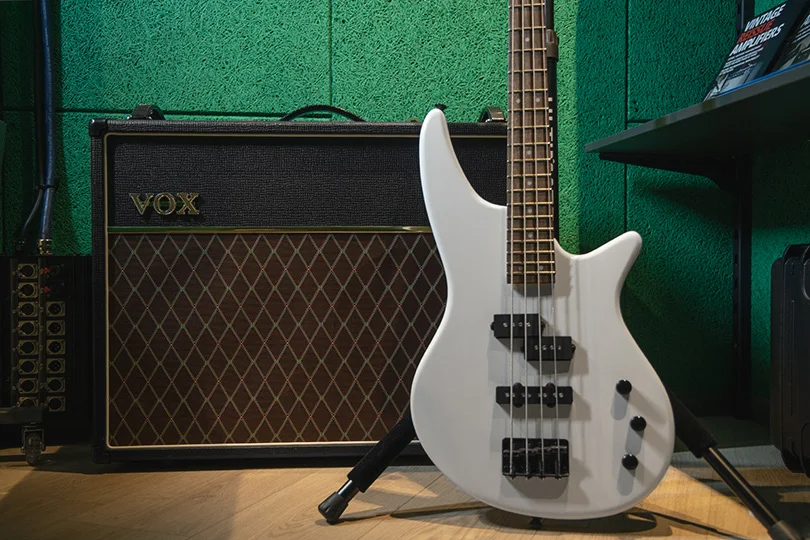
Ever wondered what those sliders on an equalizer actually do? Or why some speakers can rumble your chest while others make cymbals sparkle with crystalline clarity? The secret to all of it is frequency.
Understanding the frequency spectrum is like learning the language of sound. It empowers you to describe what you're hearing, tweak your gear to perfection, and connect with your music on a much deeper level. Let's get you fluent.
What is Frequency, Anyway?
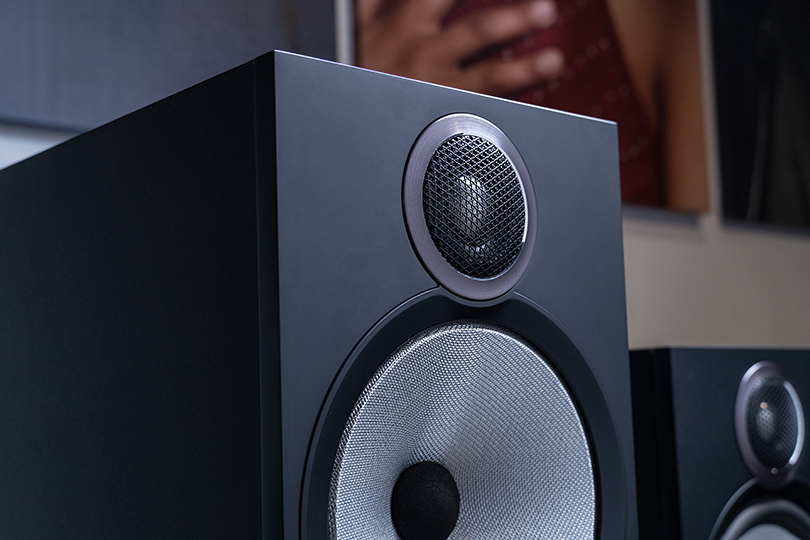
In simple terms, frequency is the speed at which a sound wave vibrates, measured in Hertz (Hz). Low frequencies create deep, low-pitched sounds (like a bass drum), while high frequencies create high-pitched sounds (like a piccolo).
The range of human hearing is generally accepted to be from 20 Hz to 20,000 Hz (or 20 kHz). Every sound within this range — from a thunderous bass drop to the subtle shimmer of a cymbal — has its own place on the spectrum.
The Frequency Bands: Decoding Your Music
The best way to understand the spectrum is to break it down into seven key zones. Mastering these will change the way you listen forever.
1. The Rumble: Sub-Bass (20 Hz – 60 Hz)
This is the stuff you often feel more than you hear. It’s the deep, seismic tremor in movie explosions or the floor-shaking drop in a dance track. To reproduce these frequencies accurately, you need high-quality subwoofers or large, full-range speakers.
2. The Punch: Bass (60 Hz – 250 Hz)
This is where the weight and foundation of your music live. The kick drum, the bass guitar, and the low notes of a piano all anchor the rhythm right here. Getting this range right gives music a satisfying sense of power and warmth.
3. The Body: Low-Mids (250 Hz – 500 Hz)
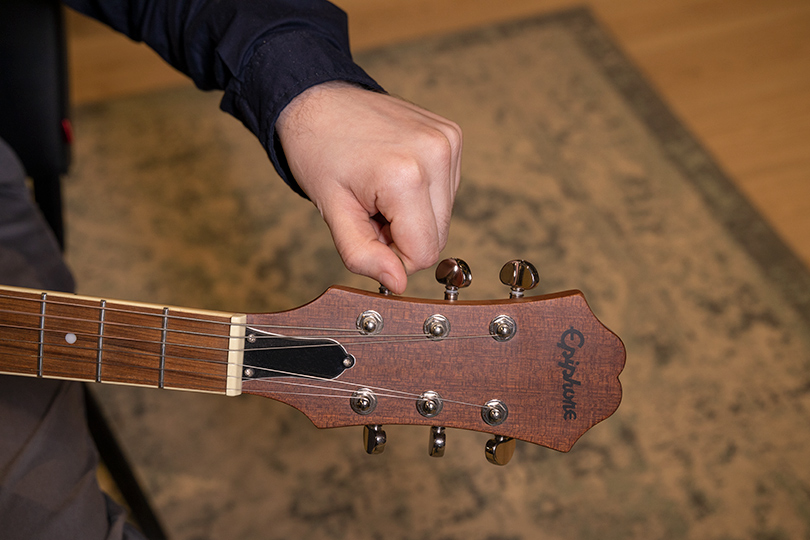
This zone gives instruments their fundamental character and "body." It's crucial for the richness of vocals, cellos, and the fuller notes of a guitar. Too much in this area can make a mix sound muddy, but too little can make it feel thin and weak.
4. The Core: Mids (500 Hz – 2 kHz)
This is arguably the most important frequency range, as it's where our ears are most sensitive. The core identity of most instruments — especially vocals and guitars — lives here. If you want something to stand out and be clearly heard, this is the zone to focus on.
5. The Edge: Upper-Mids (2 kHz – 4 kHz)
This is where the attack and aggression of sounds are defined. The snap of a snare drum, the bite of a distorted electric guitar, and the clear consonants in a vocal all happen here. A little boost in this range can add excitement, but too much can quickly become harsh and fatiguing to the ears.
6. The Presence: Highs (4 kHz – 6 kHz)
Want more clarity and definition? This is the place. The Presence range helps instruments cut through the mix and gives them a sense of being "up front." It’s key for bringing out the detail in complex arrangements and making things sound clear and articulate.
7. The Sparkle: Treble (6 kHz – 20 kHz)
Often called "air," this is the highest end of the spectrum. It’s responsible for the delicate shimmer of cymbals, the subtle breathiness in a vocal, and the overall sense of brightness and space in a recording. A well-handled treble range makes music sound open and detailed, while a poorly handled one can sound brittle or introduce unwanted hiss.
The Bottom Line
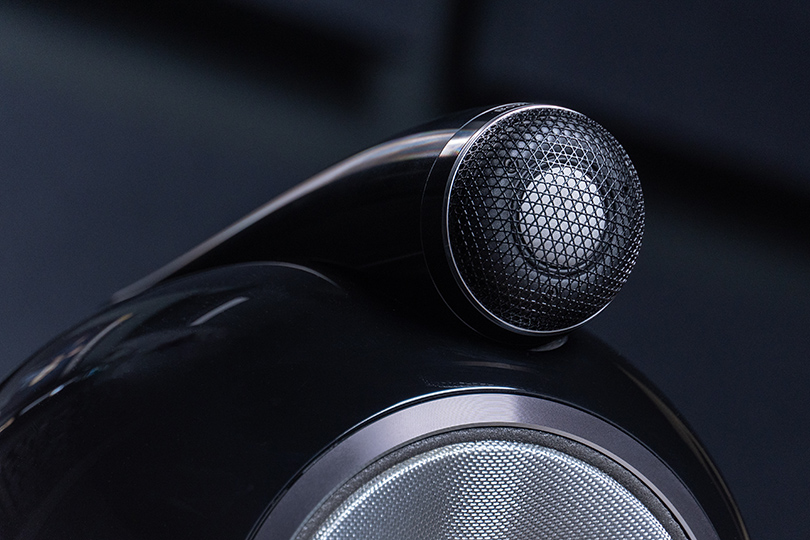
You don't need to be a sound engineer to benefit from understanding frequencies. Knowing these seven zones gives you the vocabulary to describe the sound you love and the tools to shape it. It helps you understand why a certain pair of headphones sounds "warm" or why a speaker sounds "bright," and it gives you the confidence to adjust that EQ to perfectly match your taste.
Now that you've got the basics down, listen to your favorite tracks again. Can you hear the different zones? Can you pinpoint where each instrument lives?
To take your exploration to the next level, come visit us at the Dr. Head showroom in Dubai. We can help you audition gear that excels in different parts of the frequency spectrum and find the sound that truly speaks to you.