












Earpads & Eartips: Everything You Need to Know
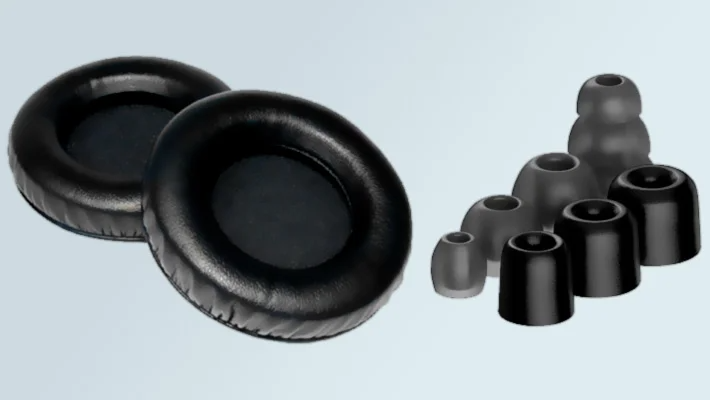
It’s about time we talked about an essential but often overlooked part of any headphones: earpads and eartips. For starters, let’s discuss what they even are.
The larger models, meaning over- and on-ear headphones, have earpads: soft and cushioned parts of their earcups that rest against your head. More compact models, such as in-ear headphones and earbuds, have eartips — the parts you insert into your ear canals.
At first glance, they might indeed seem like the least important part of headphones, but that’s not the case. Not only does the user’s comfort largely depend on them, but also, more importantly, they have a significant impact on the sound quality. Sound is affected by everything it comes in contact with, so the materials and shape of your earpads and eartips are quite crucial to the overall experience.
When it comes to audio, every little detail matters, so you should never overlook this one. Proper earpads and eartips ensure you can use your headphones comfortably for hours on end and enjoy your music without any distortions.
Now, let’s learn more about each of them and how different they can be.
Contents
Eartips: These Go Inside of Your Ears
Both in-ear headphones and earbuds have eartips that you insert into your ear canals, and they obviously play a crucial role in how comfortable your experience is. Most models come with default eartips, but the more advanced audiophiles might want to switch those up for something more personalized and fitting for them.

Purpose of nozzles: TWS earbuds
Brand: Dekoni Audio
Type: eartips
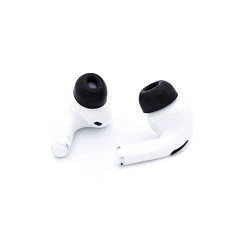
Brand: Dekoni Audio
: 46
Compatible headphone model: Apple AirPods Pro (2nd generation) with MagSafe 2023
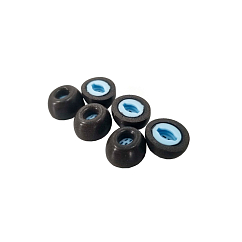
Sound bore, mm: 3.8
Brand: Dekoni Audio
: 46
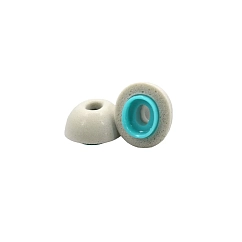
Brand: Dekoni Audio
: 44
Compatible headphone model: Apple AirPods Pro (2nd generation) with MagSafe 2023
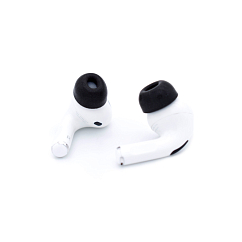
Brand: Dekoni Audio
: 46
Compatible headphone model: Apple AirPods Pro (2nd generation) with MagSafe 2023

Brand: Dekoni Audio
Type: eartips
Material: polyurethane foam

Brand: Dekoni Audio
Type: eartips
Material: polyurethane foam
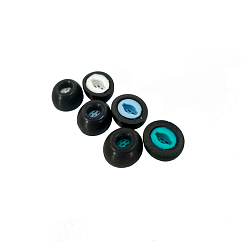
Sound bore, mm: 3.8
Brand: Dekoni Audio
: 46

Purpose of nozzles: wired earphones
Brand: Dekoni Audio
Type: eartips
Here’s what you need to know to choose the right eartips for your headphones.
Eartip Types
- Standard single-flange eartips
These are the most common type, as implied by the word “standard.” They feature a firm core and a soft flange and typically come included with new headphones in several sizes. It’s the basic kit.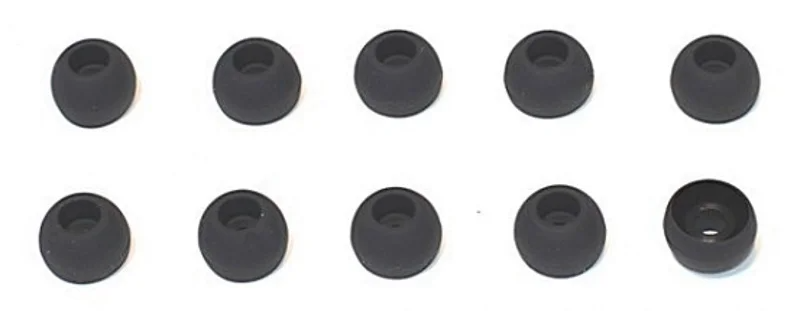
- Dual and triple-flange eartips
These eartips have the same firm core but several flanges of different diameters instead of just one. This allows for a more secure and deeper fit inside the ear canal, which, in turn, provides superior noise isolation compared to standard models. But despite its benefits, this format isn't for everyone, so make sure to try them on first. You’ve been warned.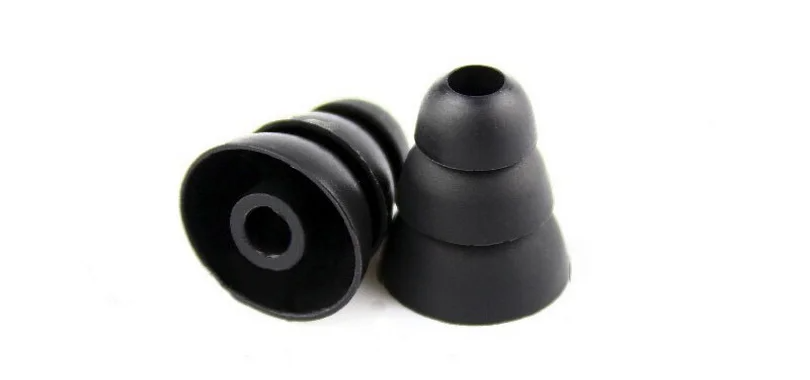
- Custom eartips
The pinnacle of this food chain, custom eartips stand head and shoulders above the rest. These eartips are molded from an impression of your ear, accounting for every unique contour of yours. Thanks to their perfect, ergonomic seal, they achieve ultimate noise isolation. Back in the day, only audio professionals used custom eartips, but today, they’re just as popular with the wider audiophile community. At Dr.Head showrooms, you can get custom impressions made from acrylic or high-grade silicone to create a truly personalized audio experience.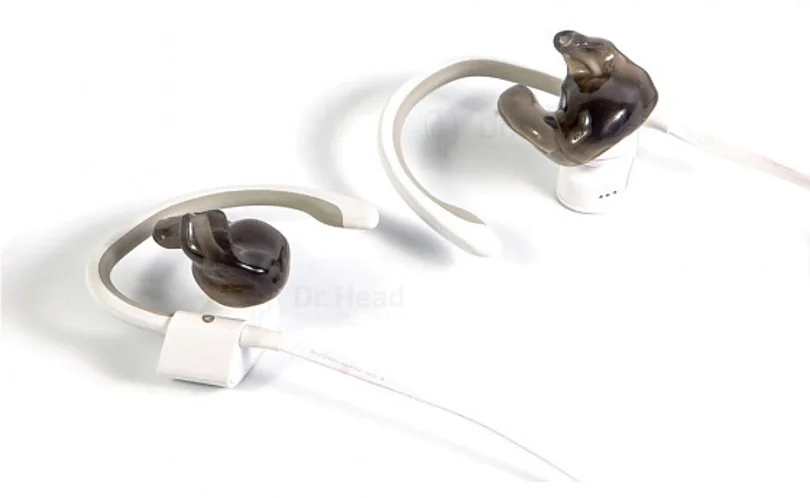
Eartip Materials
- Silicone
Perhaps the least favorite material among audio professionals, silicone doesn’t “breathe,” which causes one’s ears to sweat. Rather uncomfortable sensation, that, but silicone eartips also offer less effective noise isolation than their foam alternatives, and can cut off parts of the frequency range.
On the plus side, though, silicone is durable and easy to clean, and a lot depends on its quality. Some very reputable audio companies out there equip their headphones with premium-grade silicone eartips, so it’s not a hard pass..png)
- Foam
The very invention of foam eartips in the 90s was a game-changer for the industry. Foam’s unique combination of viscosity, elasticity, and durability makes it one of the best materials for eartips, but that’s not all. Foam also expands to perfectly match the ear’s geometry while allowing for air circulation, which makes such eartips both comfortable and fitting.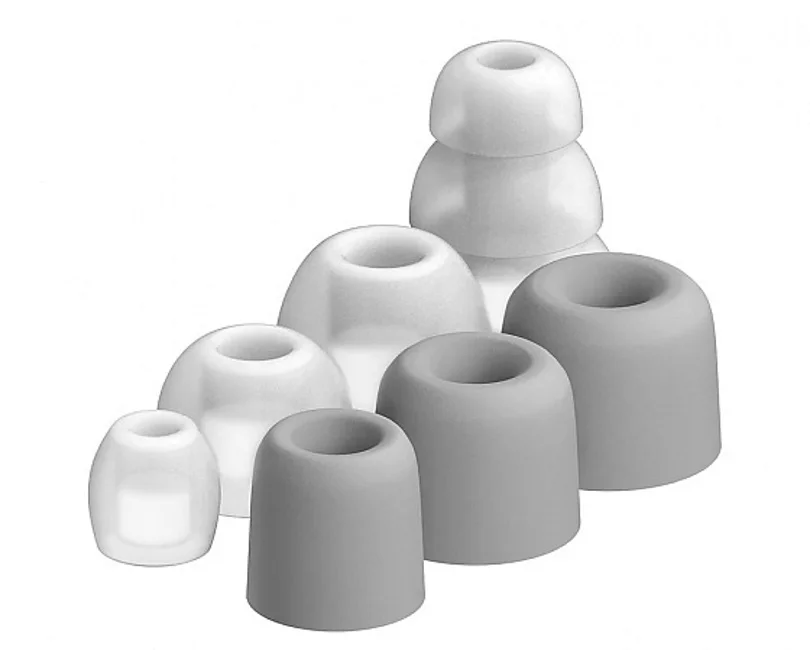
- Acrylic
Custom acrylic eartips are the state-of-the-art solution for in-ear headphones. Extremely moldable acrylic can perfectly replicate every last detail of your ear canals, becoming a natural extension of your ears. On top of that, this material is acoustically neutral, meaning it doesn’t distort the sound in any way..png)
Earpads: These Sit Right on Your Ears
While over-ear headphones are generally more comfortable for longer listening sessions as they don’t apply direct pressure to the user’s ears, on-ear models are still a popular choice since few people want to carry bulky full-size models around. Both these types of headphones use earpads instead of eartips, and just like with the latter, it makes total sense to seek out the pads that work the best for you.
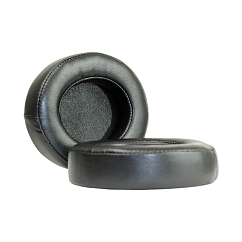
Brand: Dekoni Audio
Type: earpads
Material: synthetic leather
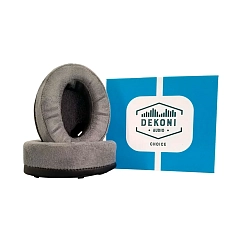
Brand: Dekoni Audio
Type: earpads
Material: suede
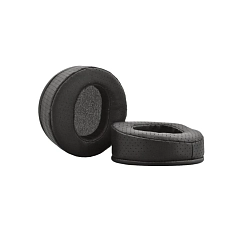
Brand: Dekoni Audio
Type: earpads
Material: leather
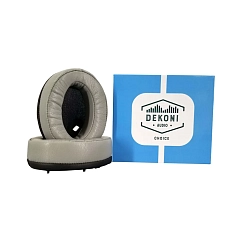
Brand: Dekoni Audio
: 44
Compatible headphone model: Sony WH-1000XM4
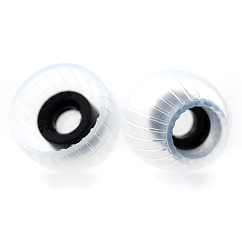

Brand: Dekoni Audio
Type: earpads
Material: synthetic leather
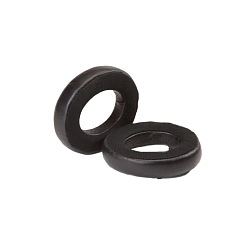
Brand: Dekoni Audio
Type: earpads
Material: leather, velour

Brand: Dekoni Audio
: 46
Compatible headphone model: Sennheiser HD 820
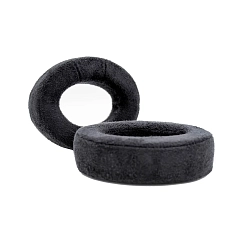
Brand: Dekoni Audio
Type: earpads
Material: suede
There are a couple of things to consider here.
Earpad Types
- Circum-aural earpads
With their name literally meaning “around the ear” in Latin, circum-aural earpads don’t come into direct contact with your ears. Instead, they envelop the ear and create a sort of private listening chamber around it. This allows for superior passive noise isolation and more immersive sound.
Circum-aural earpads are typical for over-ear (full-size) headphones and are rightfully considered the most comfortable for longer listening sessions. - Supra-aural earpads
Supra-aural is Latin for "on the ear." These earpads are typically smaller and rest directly on your ear cartilage, which makes them more compact and lightweight. The trade-off is less noise isolation and more open sound, often at the expense of deep bass.
Supra-aural earpads are, as the name suggests, the feature of on-ear headphones. While they remain rather popular, extended use of such earpads leads to discomfort for some users.
Earpad Materials
- Leather
They’re classic, classy, and premium. Leather earpads are the trademark of most Hi-Fi and Hi-End headphones, and for a good reason. As a material, leather enhances the low-frequency sound range and positively impacts the sound overall. The issue with wearing large leather pads in hot weather is easily solved by perforating them, so there’s practically no downside here, save for the price..png)
- Eco-Leather
While low-quality eco-leather can be a nightmare to deal with, especially in terms of its seasonal behavior, proper eco-leather has no problems of the sort. It largely retains all the benefits of real leather, but also comes with lower production costs and far fewer ethical issues. Today, you can hardly distinguish high-quality eco-leather from genuine leather in its look and feel..png)
- Velour
Ergonomics-wise, velour is the undisputed champion. This material’s feel against the skin is arguably the most pleasant, and it boasts excellent sound-absorbing qualities. It would’ve been the absolute favorite of any audiophile if not for its low practicality; velour earpads get dirty and wear out much faster than their leather counterparts.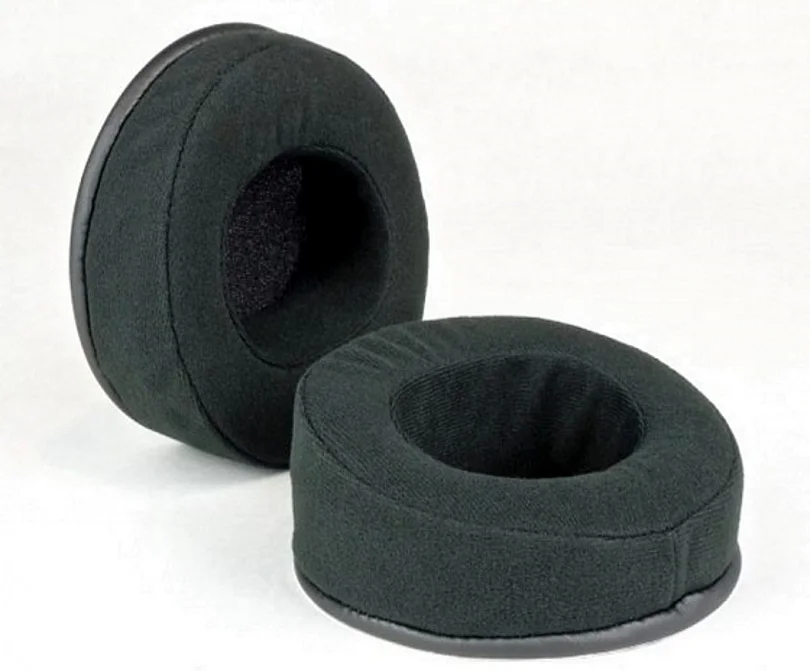
- Microfiber
Often found on budget-friendly models, microfiber has a lot going for it: it’s pleasant to the touch, acoustically neutral, and cheap. These benefits, however, are offset by the material’s lack of durability as it’s somewhat similar to velour in this regard.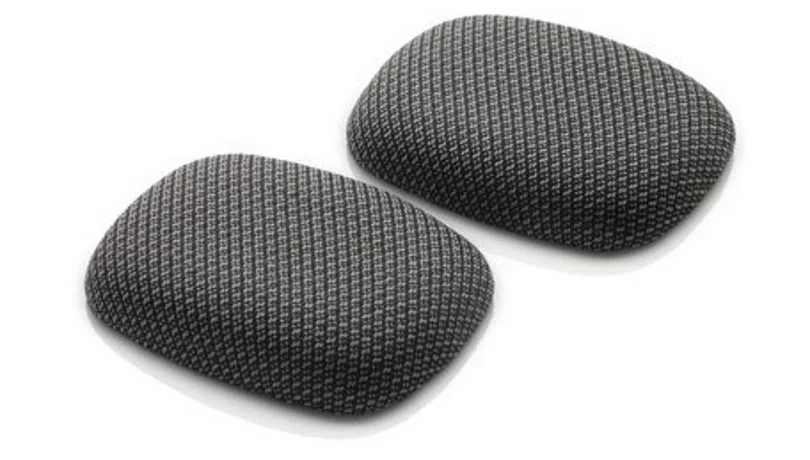
- Sponge Foam
Outdated and short-lived, sponge foam earpads are quickly becoming a thing of the past as modern alternatives offer far superior quality and performance. You might still find sponge foam pads on some budget or retro models, though.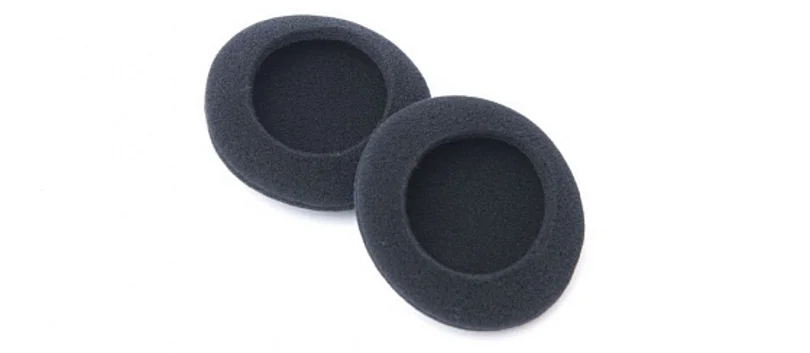
Another thing to consider is the earpad filling, as its properties directly influence the sound signature. As a rule of thumb, the denser the filling, the better it handles the low-frequency sound range.
How to Choose the Best Eartips and Earpads
Now that we’ve gone over everything you need to know about eartips and earpads, here are the three main things you need to consider before buying a new pair.
- Comfort
You want tactile and soft headphones that you could comfortably use for hours on end, so don’t settle for anything less. If the material has memory properties that adapt to your anatomy, that’s a huge bonus, as well. - Size
Trying headphones on before you buy is a must, period. Your eartips and earpads need to be a perfect fit; otherwise, you’ll miss out on noise isolation, comfort, or both. And that’s not why you want these things, right? - Height
“Height” as in “the distance between the sound source and your ear,” to be exact. This one only applies to earpads, and it’s fairly simple: the bigger that distance, the worse the sound. Eartips don’t have this issue, though.
Ultimately, no top-of-the-shelf eartip or earpad can offer you the same degree of comfort and personalization as a custom set. If possible, go for custom-molded eartips and earpads that account for each tiny anatomical detail of your ear canals. Our specialists at Dr.Head are always happy to create a bespoke custom set just for you to take your audio experience to a whole new level.