










Earbuds vs Headphones: Which Is Better for You?

You’re standing in a store or browsing online, faced with a wall of audio products. On one side, you have big, plush headphones. On the other, tiny, sleek earbuds. Both promise an amazing listening experience, but they look and feel completely different. The choice can be paralyzing. Earbuds or headphones, you muse? Which is actually better for you?
It’s one of the most common questions in personal audio, and the answer isn’t a simple one-size-fits-all. It depends entirely on your lifestyle, what you listen to, and what you value most: sound quality, portability, comfort, or features like noise cancellation.
This guide will break down the great headphone vs earbud debate. We’ll explore the design, features, and sound quality of each, compare them for specific uses like gaming and workouts, and help you decide which pair is the perfect fit for your life and your ears.
What Do Headphones, Earphones, and Earbuds Represent?
First, let's get our terms straight. While people often use these words interchangeably, they represent distinct categories of audio products.
What Do Headphones Represent?
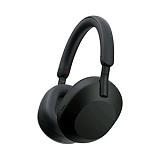
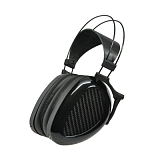
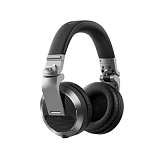
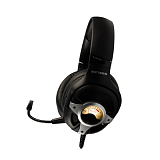
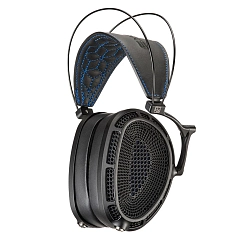
Headphones are the classic audio device. They consist of two earcups containing large drivers, connected by a headband that goes over your head. They come in two main types: over-ear (circumaural), which completely encloses your ear, and on-ear (supra-aural), which rests on the ear itself. Their defining feature is their size and the fact that they sit on or around the ear, not inside it.
What Do Earphones Represent?
"Earphones" is a broad term for any small listening device that is worn inside the ear. This is the big umbrella category. If it's not a full-size headphone, it's technically a type of earphone. However, the term is often used to describe wired in-ear devices that come with a cable and a 3.5mm jack.
What Do Earbuds Represent?
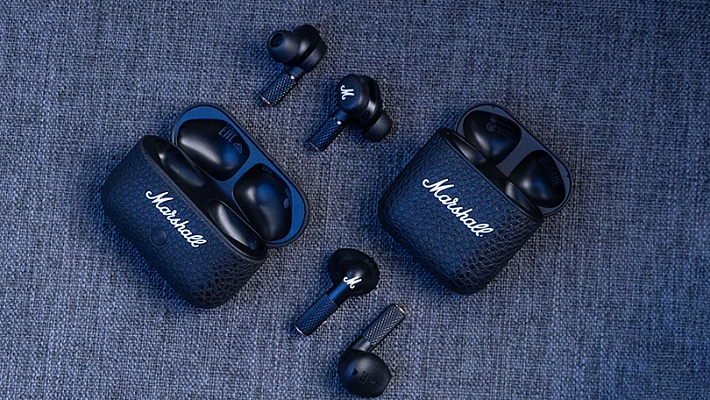
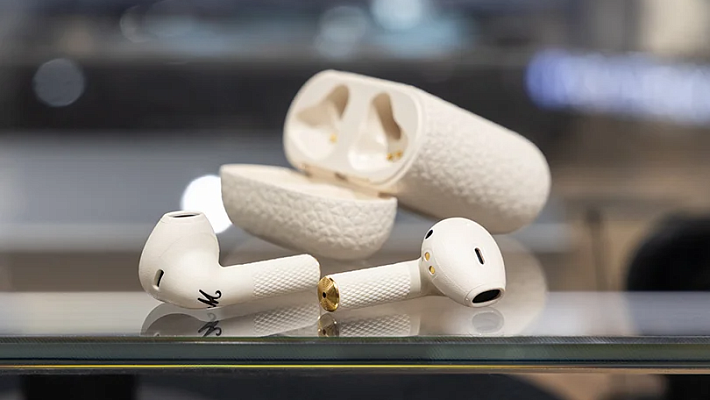
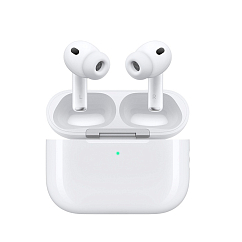
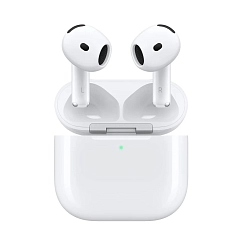
Earbuds are a specific type of earphone. Originally, the term referred to the small, plastic buds (like the classic iPods) that sit in the outer bowl of your ear (the concha). Today, the term "earbuds" is most commonly used to describe True Wireless earbuds, like the iconic models from Apple or Sony. These are completely cable-free and come in a charging case. They can be the classic "sit-in-the-ear" style or the in-ear style with silicone tips that create a seal in your ear canal.
How Do Headphones, Earphones, and Earbuds Work?
Regardless of their shape or size, the basic principle is the same. An audio signal is sent to a component called a driver. The driver is essentially a tiny speaker with a diaphragm that vibrates rapidly. These vibrations create pressure waves in the air, which travel to your eardrum. Your brain then interprets these waves as sound. The main difference lies in the size of the driver and its proximity to your ear canal.
Headphones vs Earphones vs Earbuds: Which Came First?
The history of personal audio is a story of miniaturization — so yeah, headphones came first, by a long shot. The earliest headphones were developed in the late 19th century for telephone operators and were purely functional. In 1958, the first stereo headphones were released for consumers to enjoy high-fidelity music at home. Then, for decades, headphones were the only way to listen privately.
The rise of portable music players like the Sony Walkman in the 1980s drove the demand for smaller, lighter earphones, and the rest is history. True Wireless earbuds are a much more recent innovation, exploding in popularity in the late 2010s.
Headphones vs Earbuds: Design
The most obvious difference between headphones and earbuds is their physical design, which directly impacts comfort, portability, and even the listening experience.
Headphones Design
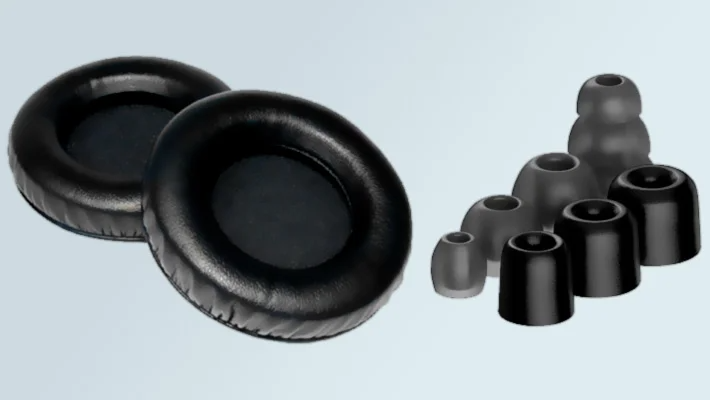
Headphones are designed for comfort during long listening sessions. Over-ear models use large, soft pads to create a gentle seal around your ears, distributing pressure evenly. On-ear models are lighter but can create pressure points on the ear itself for some users. The headband connects the two earcups and is often padded as well. This design is all about creating an immersive experience, but it comes at the cost of portability.
Earbuds Design
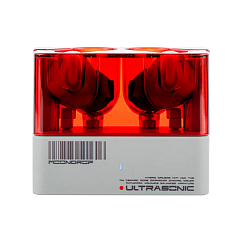
Earbuds are all about convenience and portability. Their small size means they can easily fit in a pocket. True Wireless earbuds take this to the extreme with their compact charging cases. The fit is crucial; some earbuds have an ergonomic shape designed to lock into your ear, while others rely on interchangeable silicone tips to find a secure and comfortable seal inside your ear canal.
Headphones vs Earbuds: Features
Both categories have embraced modern wireless technology, but their form factor often dictates their feature set.
Headphones Features
Because of their larger size, wireless headphones can pack in bigger batteries, often offering 40, 50, or even 60 hours of playback on a single charge. They also have more surface area for physical buttons, which some users prefer for reliable control of playback and calls. Many high-end models offer multi-device Bluetooth pairing and support for high-quality audio codecs.
Earbuds Features
Earbuds have smaller batteries and typically offer 5–8 hours of playback, but this is supplemented by their charging case, which can provide multiple full recharges on the go. Features are centered on convenience: touch controls, in-ear detection that automatically pauses music when you remove an earbud, and seamless pairing with your smartphone.
Headphones vs Earbuds: Sound Quality
This is the heart of the debate. While both can sound fantastic, there are fundamental differences due to physics.
Headphones Sound Quality
Generally, headphones have the upper hand in sound quality. Their large drivers can move more air, which typically results in a deeper, more impactful bass response and a wider dynamic range. The space created by the earcups also produces a more open and natural "soundstage," making it feel like the music is happening around you, not just inside your head. This makes for a more immersive listening experience.
Earbuds Sound Quality
Earbuds have made incredible progress, with premium models offering amazing audio quality; however, they are limited by their small size. The quality of their sound is heavily dependent on achieving a perfect seal in the ear canal. Without a good seal, bass frequencies escape, and the sound can be thin. When a good fit is achieved, the best wireless earbuds can deliver deep bass and clear highs, but they still rarely match the expansive soundstage of a good pair of over-ear headphones.
Wireless Headphones vs Earphones
The wireless revolution has taken over both categories. Today, the choice is less about whether to go wireless and more about which wireless style you prefer. Both wireless headphones and earphones use Bluetooth to connect to your device. The main difference often comes down to battery life, where headphones typically have a significant advantage in single-charge listening time.
In-Ear Headphones vs Earbuds
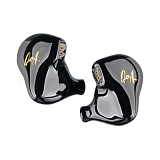
This is an important distinction. As we mentioned, "earbuds" can refer to the classic style that rests in the outer ear. "In-ear headphones," often called IEMs (In-Ear Monitors), have a nozzle with a silicone or foam tip that is inserted into the ear canal. This design provides a much better seal, which dramatically improves passive noise cancellation and bass response. Most high-performance "earbuds" on the market today, like the AirPods Pro, are technically in-ear headphones.
The Benefits of Headphones
The primary benefits of headphones are superior sound quality, immersive experience, and often better comfort for long durations. The large drivers deliver powerful audio, and the over-ear design creates a private listening environment that lets you get lost in the music.
Why Are Headphones Better Than Earbuds
For pure audio performance, headphones are generally better than earbuds for a few key reasons: a larger driver for better bass and dynamics, a wider soundstage that feels more natural, and less reliance on a perfect in-ear seal to deliver their best sound. They also tend to have better active noise cancellation.
The Benefits of Earbuds
The benefits of earbuds are clear: unmatched portability, convenience, and discretion. They are small enough to take anywhere, perfect for exercise and commuting, and are much less noticeable than a large pair of headphones. The charging case system makes them easy to keep topped up throughout the day.
Consumer vs. Studio Headphones and Earbuds
When you shop, you'll see these terms. "Studio" headphones are designed for audio professionals. They aim for a "flat" or "neutral" sound signature, meaning they don't boost the bass or treble. This is for accuracy when mixing and mastering audio. "Consumer" headphones and earbuds are designed for enjoyment. They often have a more V-shaped or "fun" sound with enhanced bass and treble to make music sound more exciting.
How Much Do Headphones, Earphones, and Earbuds Cost?
Prices vary wildly in all categories. You can find budget wired earphones for very cheap and basic headphones for a bit more. High-performance models from top brands like Sony, Bose, and Apple can be quite expensive, whether you're buying headphones or true wireless earbuds. Generally, you can expect to pay a similar amount for a premium product in either category.
Headphones vs Earbuds: Which Is Better for Working Out?
Winner: Earbuds. This isn't much of a contest. Earbuds are lightweight, secure, and often have an IP rating for sweat and water resistance. A pair of bulky headphones would be hot, heavy, and likely to slip off during vigorous exercise.
Headphones vs Earbuds: Which Is Better for Gaming?
Winner: Headphones. For serious gaming, headphones are the top choice. Their superior soundstage provides better positional audio, helping you hear where footsteps and other sounds are coming from. Gaming headsets also include much better quality microphones for clear communication with teammates.
Headphones vs Earbuds: Which Is Better for Noise Cancelling?
Winner: Headphones. While some earbuds offer surprisingly effective active noise cancellation (ANC), over-ear headphones are the undisputed kings. Their earcups provide excellent passive noise isolation just by covering your ears, and the larger space allows for more sophisticated ANC technology to block out the world around you.
Headphones vs Earbuds: Which Is Better for Travel?
Winner: It's a Tie. This comes down to personal preference. Earbuds are the champion of portability; they take up almost no space in a bag. However, the superior noise cancellation of over-ear headphones can be a lifesaver on a noisy plane or train. The choice depends on whether you prioritize packing light or blocking out the maximum amount of noise.
Which Is Better: Headphones or Earphones?
This question is about choosing between the big over-ear style and any smaller in-ear style. If sound quality is your absolute number one priority, headphones are the way to go. If portability and convenience for an on-the-go lifestyle are more important, then an in-ear model is the better choice.
Headphones vs Earphones vs Earbuds: Verdict
So, which should you buy? There is no single best audio product, only the one that is best for you.
- Choose Headphones if: You are a critical listener who prioritizes the best possible sound quality, you listen for long sessions at home or in the office, or you want the most effective noise cancellation for travel.
- Choose Earbuds if: You need something ultra-portable for your commute, you plan to use them for sports and exercise, or you value convenience and the latest tech features in a small package.
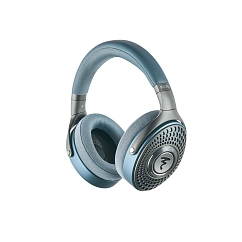
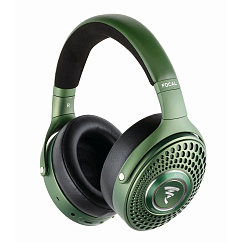
Multipoint: yes
Brand: Focal
Headphone type: wireless
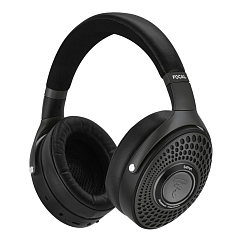


Multipoint: yes
Brand: Sennheiser
Headphone type: wireless, wired

Earpads material: microfiber
Headphone type: wired
Kind of headphones: over-ear
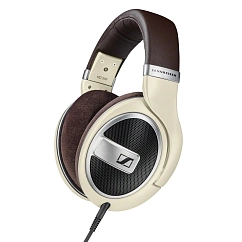
Brand: Sennheiser
Headphone type: wired
The lowest frequency, Hz: 12
Earpads material: leather
Headphone type: wired
Kind of headphones: over-ear

Cable type: straight
Field of application: DJ, mixing
Brand: Sennheiser

Brand: MoonDrop
Headphone type: wired
The lowest frequency, Hz: 15
Headset type: stereo
Brand: Apple
Type of wireless headphones: True Wireless

Brand: MoonDrop
Headphone type: wired
The lowest frequency, Hz: 10

Brand: MoonDrop
Headphone type: wired
The lowest frequency, Hz: 15
Brand: MoonDrop
Type of wireless headphones: True Wireless
Bluetooth version: 5.3
Headset type: stereo
Brand: Apple
Type of wireless headphones: True Wireless
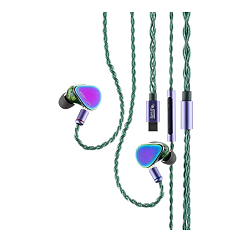
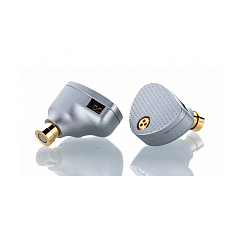
Brand: MoonDrop
Headphone type: wired
The lowest frequency, Hz: 16

Headset type: stereo
Brand: Bose
Type of wireless headphones: True Wireless
The best solution is often to have both — a great pair of headphones for immersive listening at home and a convenient pair of wireless earbuds for when you’re out in the world. But if you can only pick one, weigh your daily needs against the strengths of each design. We invite you to our Dubai showroom to try different styles and find the perfect fit for your ears.