











Building a Vinyl-Based Home Audio System: What You Need to Get Started
Stepping into the world of vinyl can feel like entering a maze of unfamiliar gear, terminology, and conflicting advice. But despite its retro charm, building a vinyl playback system is simpler than it seems. Whether you're just starting or looking to upgrade, this guide will walk you through everything you need to start enjoying the warm, rich sound that only vinyl delivers.
We'll explore the essential components of a vinyl system, offer various setup configurations to suit different needs and budgets, and share tips to help you get the best possible sound from your setup.
Contents
What Do You Need to Play Records?
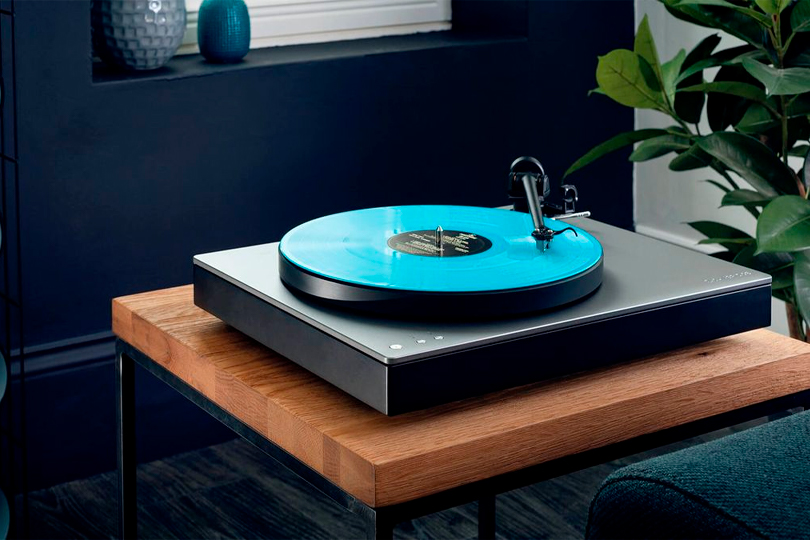
To listen to records, you'll need a few key components. While the configuration can vary, a traditional vinyl system typically includes:
- Turntable
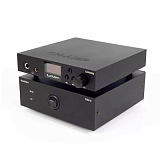
- Phono Preamp (Phonostage)
- Amplifier
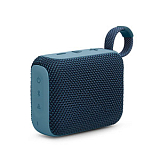
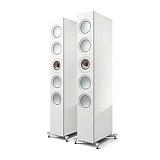
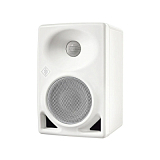
- Speakers
- Cables
Some components are often combined into single units—for instance, many amplifiers now include a built-in phono stage, and powered speakers can eliminate the need for a separate amplifier.
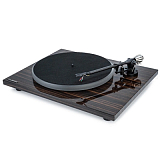
Turntable
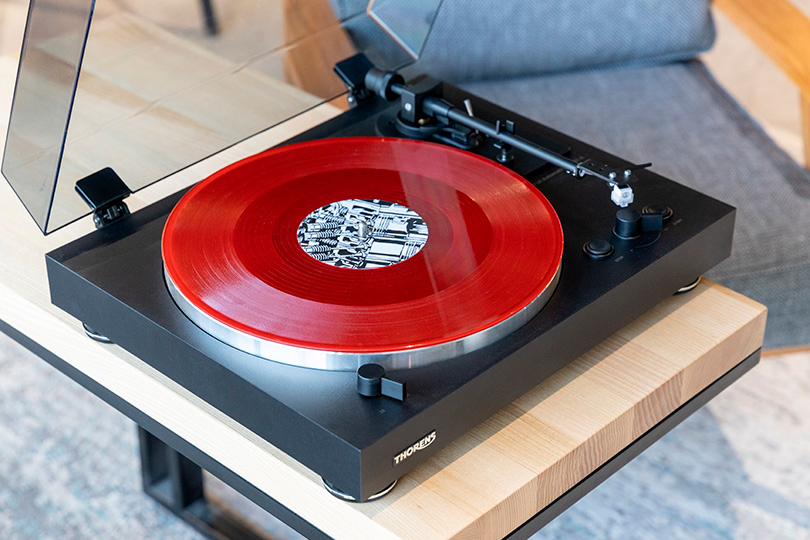
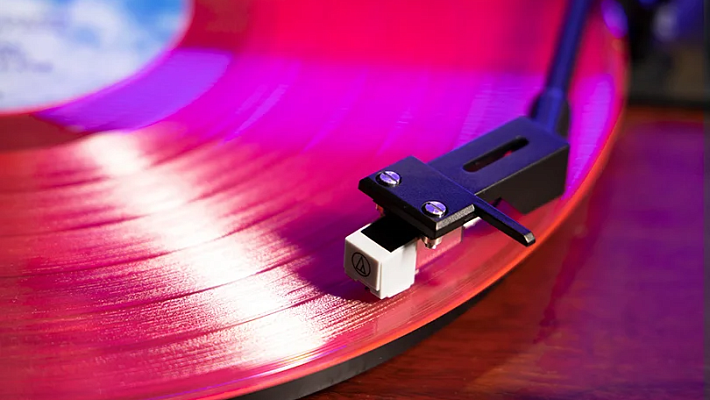
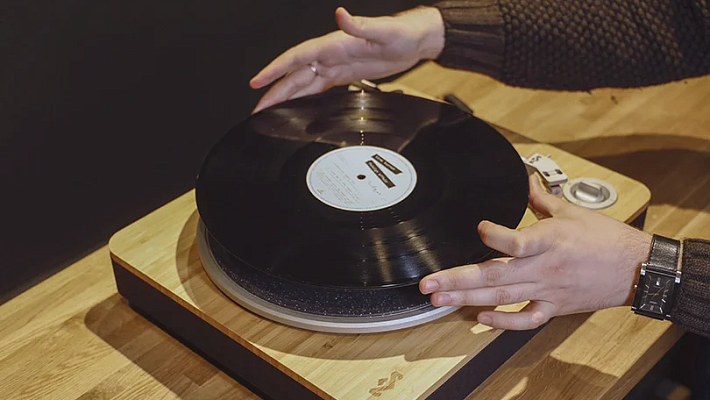
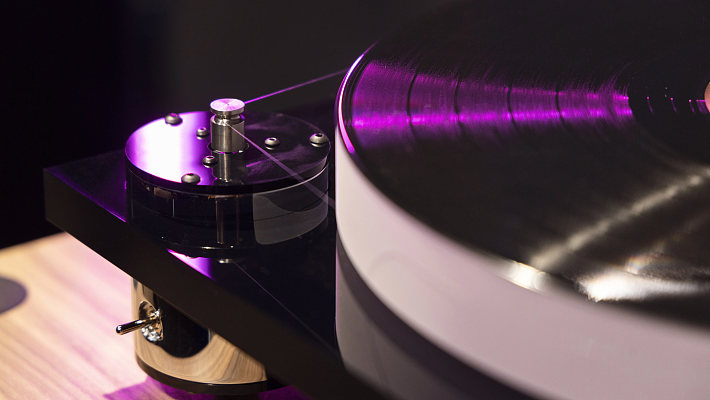
The turntable is the centerpiece of your vinyl setup. It spins your records at a constant speed, allowing the stylus to track the grooves and convert their movement into an electrical signal. When choosing a turntable, consider:
- Drive system (belt-drive or direct-drive)
- Tonearm quality
- Whether it includes a cartridge or built-in phono preamp
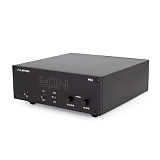
Phono Preamp (Phonostage)
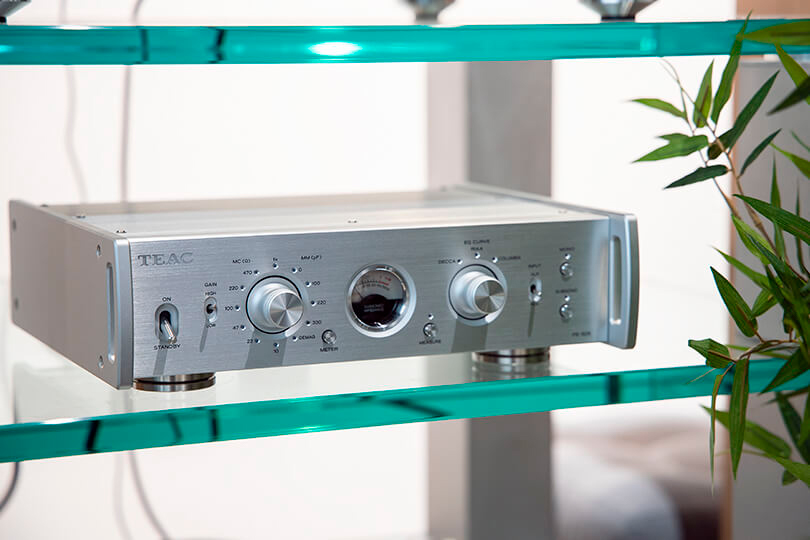
The output from a phono cartridge is extremely low and needs special amplification. This is the job of a phono preamp. If your amplifier has a PHONO input, it includes this function. If not, you’ll need an external preamp or a turntable with one built in.
Amplifier (or AV Receiver)
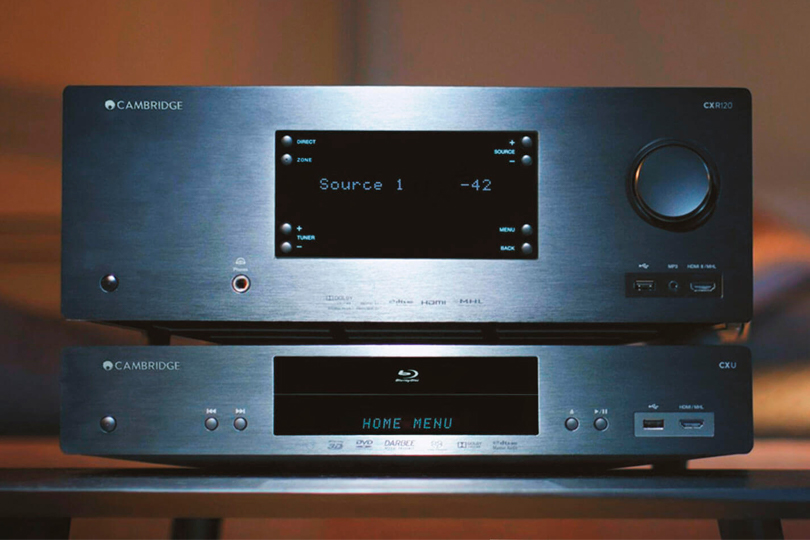
The amplifier boosts the signal to a level that can drive your speakers and allows you to adjust volume, tone, and balance. You can choose between:
- Stereo amplifiers
- AV receivers
- Powered speakers with built-in amplification
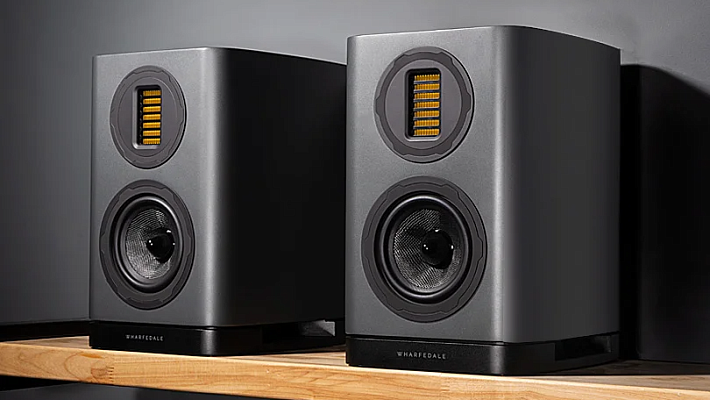
Speakers
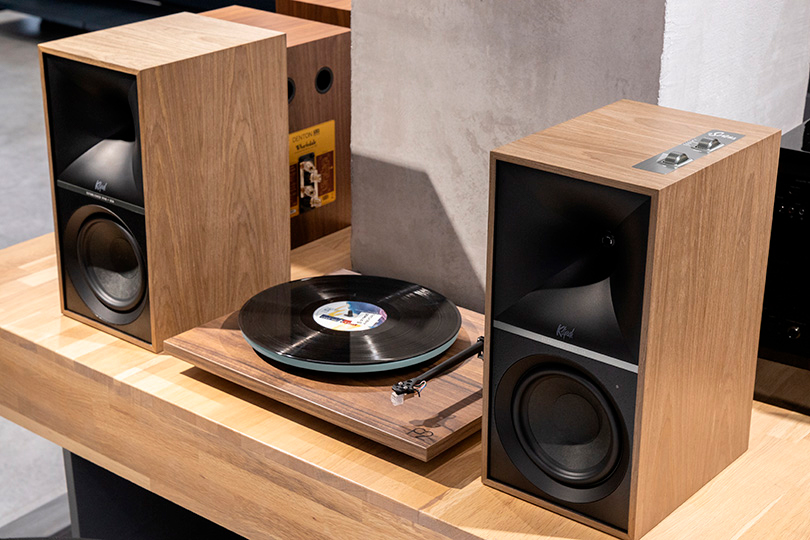
The final link in your signal chain. Choose between:
- Passive speakers (require an external amplifier)
- Active speakers (include built-in amplifiers)
Make sure your active speakers include a phono input or are paired with a phono preamp.
Cables
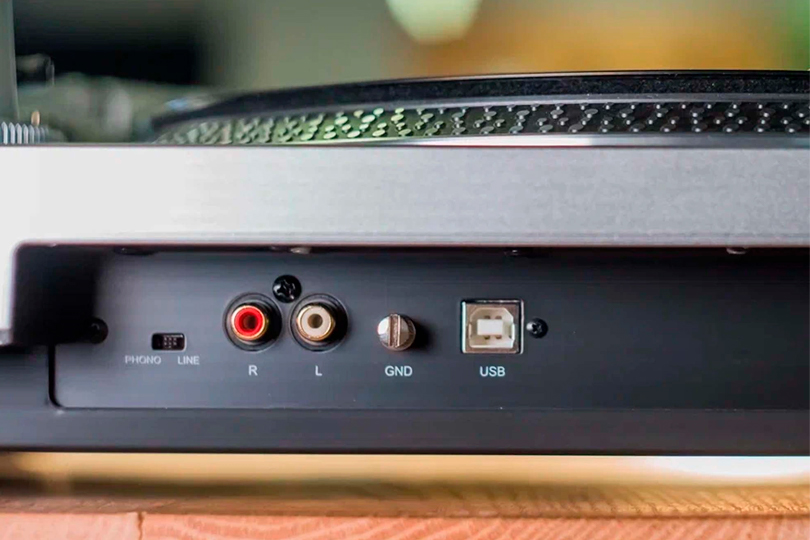
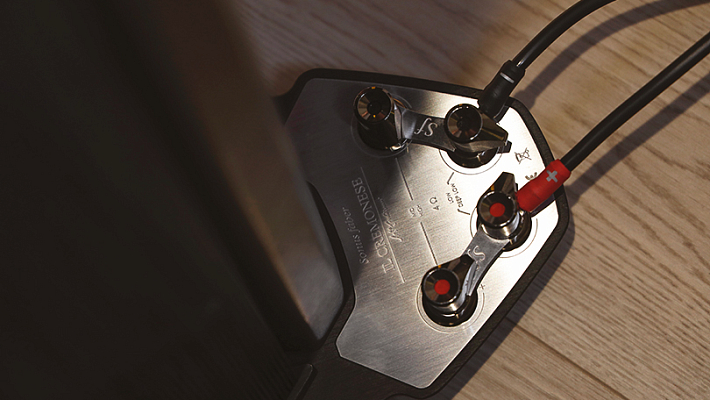
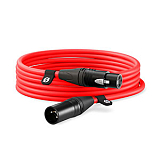
Even in the wireless era, analog setups rely on proper wiring:
- RCA interconnects (usually with a ground wire)
- Speaker cables (for passive systems)
Power cords are usually included with components.
Vinyl Playback System Configurations
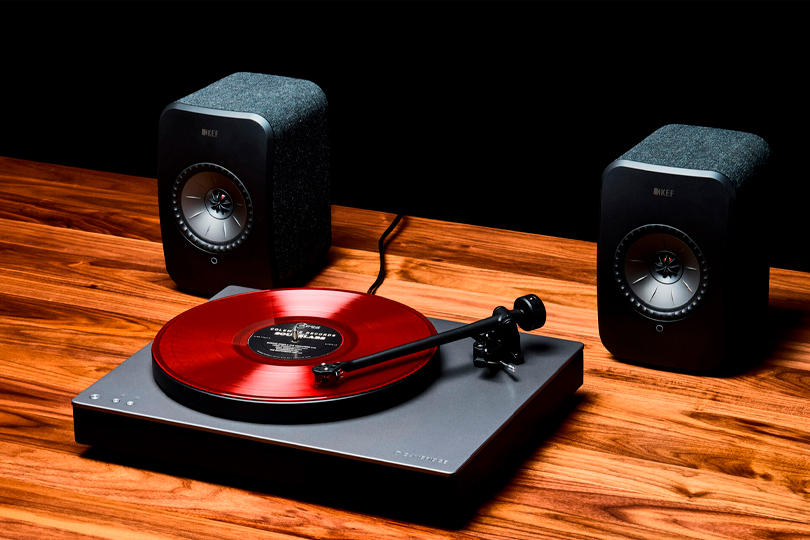
Depending on your preferences, space, and budget, you can build your vinyl system in several ways:
1. Turntable + Active Speakers
A minimal, plug-and-play solution. Connect your turntable directly to powered speakers via RCA cables. Perfect for small spaces or those just starting out. Ensure both components include phono stages.
2. Turntable + Phono Preamp + Active Speakers
Adds an external preamp for better sound tuning. Ideal if your speakers lack a phono stage. A grounding wire between components can help eliminate hum.
3. Turntable + AV Receiver + Passive Speakers
A great setup for vinyl lovers who also want to integrate a home theater. Many AV receivers now include phono inputs, making it easy to connect your turntable.
4. Turntable + Phono Preamp + Amplifier + Passive Speakers
This classic Hi-Fi configuration is favored by audiophiles. It’s fully modular, offering the most flexibility and upgrade potential over time. Each component can be fine-tuned to match your sound preferences.
5. Turntable + Single Powered Speaker
A super compact option that works well in small rooms. You’ll sacrifice stereo imaging, but if simplicity and space-saving are priorities, this works well. Use RCA-to-AUX or RCA-to-RCA depending on input type.
6. Turntable + Bluetooth Speaker or Headphones
Modern turntables often include Bluetooth, allowing you to connect wirelessly to Bluetooth-enabled devices. While this is convenient, note that audio quality may be slightly reduced due to digital compression.
How Does a Turntable Play Records?
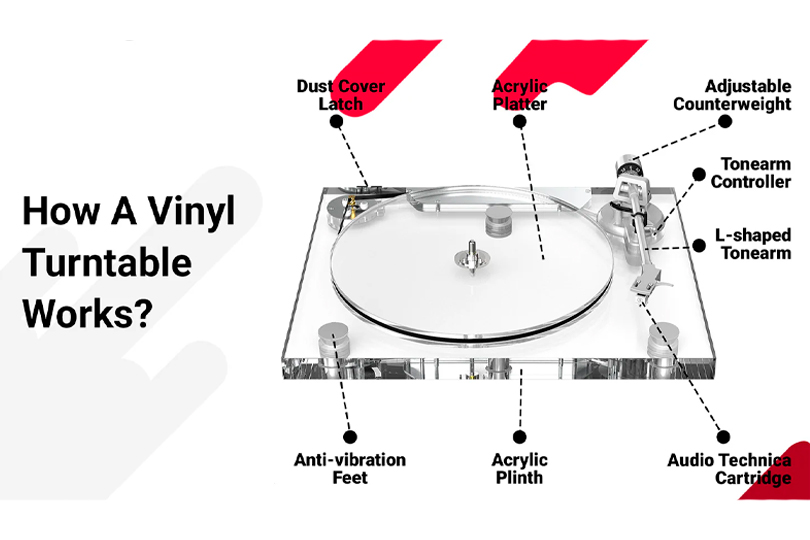
Vinyl records have tiny grooves etched into their surface. As the record spins, the stylus traces these grooves, moving in response to their physical undulations. This movement is converted into a weak electrical signal by the cartridge.
This signal then travels through the phono preamp (which amplifies and equalizes it), then to an amplifier and finally to your speakers. The result? The uniquely warm and immersive analog sound vinyl is known for.
Turntable Isolation: Avoiding Unwanted VibrationTurntables are sensitive instruments. The stylus picks up not just the music in the groove but also any vibrations from the environment, especially from nearby speakers.
To prevent distortion or unwanted hum:
- Avoid placing speakers and turntable on the same surface
- Use speaker stands or separate furniture
Turntables generally use one of two vibration control methods:
- Suspension-based systems: The platter is suspended to isolate it from external vibrations
- Mass-damped systems: The unit is made heavier to absorb unwanted resonance
Look for models with isolation feet or consider additional accessories like isolation platforms or vibration control pads.
What’s the Best Stand for a Turntable?
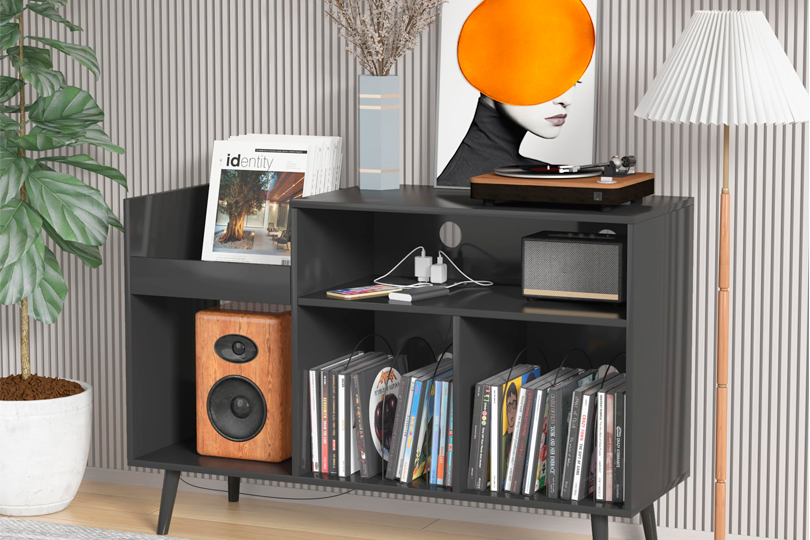
The right furniture can significantly improve performance by minimizing floor and mechanical vibrations. Recommended options include:
- Dedicated turntable stands
- Wall-mounted shelves
- Audio racks
- Solid, heavy furniture
If you’re building a record collection, choose furniture with built-in LP storage for convenience and aesthetic appeal. Purpose-built audio furniture often provides better mechanical stability and vibration control.
Need Help? Visit Dr. Head
At Dr. Head, we carry a full range of vinyl gear—from entry-level turntables to high-end audiophile components. Better still, you can audition everything in-store, so you know exactly how your future setup will sound.
Our audio specialists are here to guide you—whether you’re buying your first turntable or fine-tuning an existing system. Visit us today and rediscover music the analog way.