










A Parent’s Guide to Kids’ Headphones
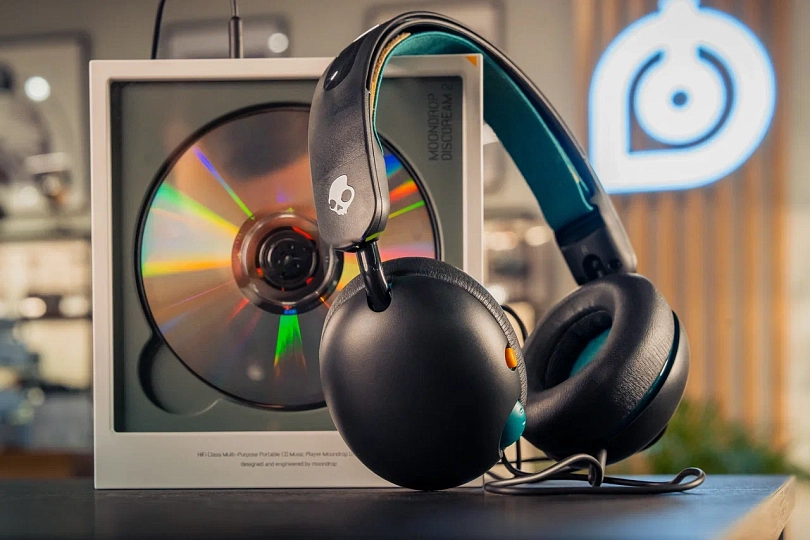
Headphones for kids: what are they, what should they be, and is it even a good idea to give them to a child in the first place? In this guide, we'll tackle the most common questions and concerns, debunk some popular myths, and provide you with the know-how to choose children's headphones.
Contents
What Exactly Are "Kids' Headphones?"
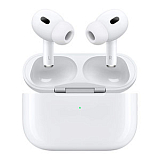
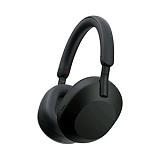
Like many other children's products, headphones for kids are essentially the same as adult versions, just scaled down and painted in brighter colors. The main technical difference is that most models marketed to children come with a volume limiter (usually capped at 85 dB) and promise a child-safe construction (hypoallergenic materials, no small parts or pinching mechanisms). We'll discuss volume limiting in detail later, but what about the other claims?
Without a doubt, cat ears on a headband or a Spider-Man theme will capture a child's attention more than a sleek adult design. As for "hypoallergenic," we've yet to hear of a special "kids' plastic" being invented, so this claim is questionable. The average pair of kids' headphones costs very little, and the materials they're made from are unlikely to be of better quality than those in standard adult headphones, let alone Hi-Fi models.
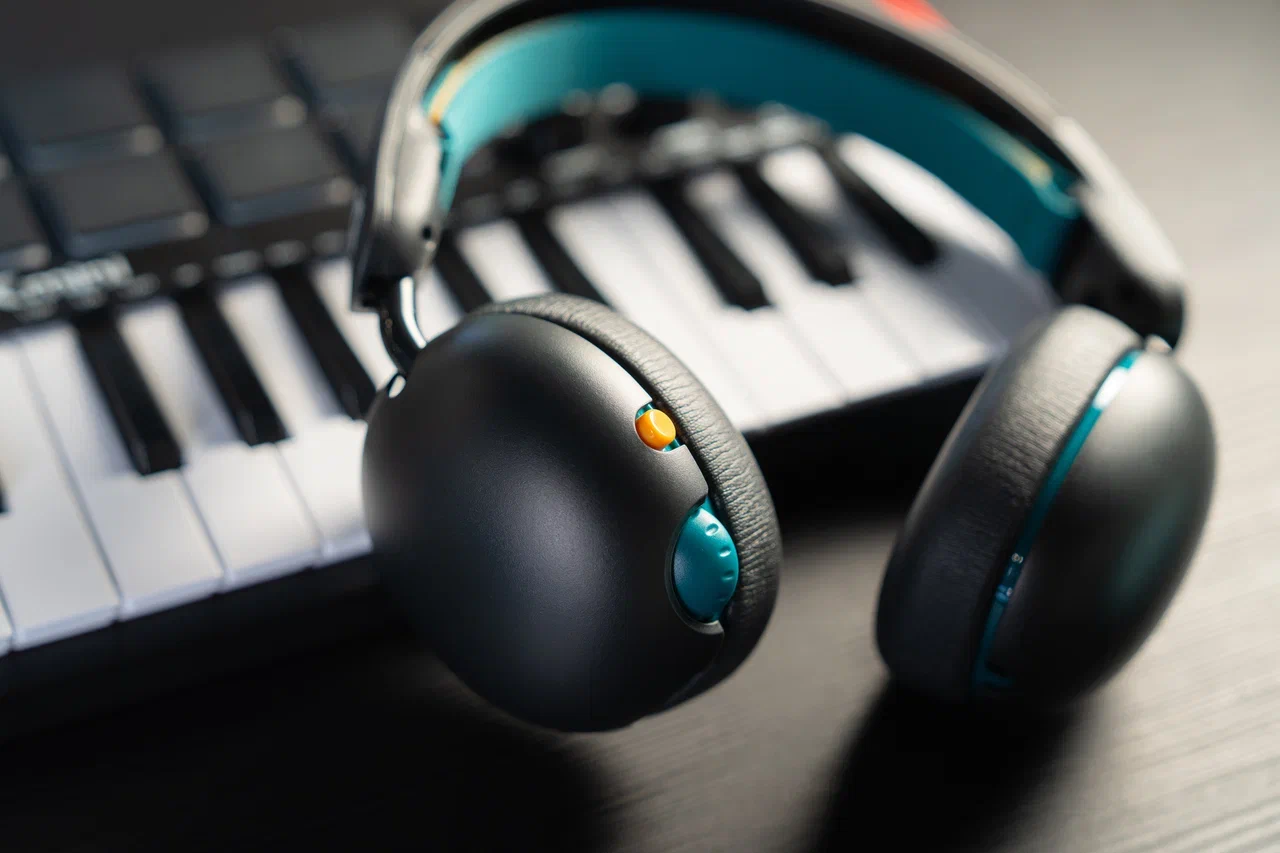
If the headphones are for a very young child, safety is paramount. It’s best to avoid folding designs with snapping parts, tiny in-ear models that could be swallowed, and wires in general. An older child, however, can be trusted with both wired and small True Wireless earbuds — we'll get back to this.
The Big Question: Are Headphones Dangerous for Kids' Hearing?
This is the most heated part of the topic. Speculation about the potential harm of headphones to human hearing — especially a child's — is constant. Many people, including some doctors, believe headphones are an absolute evil. However, if you think about it, the modern urban environment surrounds us with a multitude of noises even without headphones. Traffic, sirens, fireworks, hairdryers, lawnmowers, concerts, sporting events... Even children's toys can produce sound at potentially dangerous volumes.
It's crucial to understand that it's not just the volume that matters, but also the duration of exposure. A brief spike above a safe level is not dangerous, but constant exposure to loud noise can indeed cause harm.
Let's Talk Decibels: What "Loud" Actually Means
So, what levels are safe for any period, and what noise is always dangerous? Potential hearing damage depends on both volume and duration: the louder the sound, the less time you should be exposed to it. Importantly, this relationship isn't linear: 80 decibels is twice as loud as 70 decibels.
| Noise Category | Volume Level / Examples |
|---|---|
| Low/moderate volume — safe for listening for any period of time | 30 dBA = Whisper, quiet library 40 dBA = Quiet room 50 dBA = Moderate rainfall 60 dBA = Normal conversation, washing machine/dishwasher, air conditioner |
| Medium noise level — may cause annoyance/fatigue with prolonged exposure | 70 dBA = Group conversation, vacuum cleaner, alarm clock, loud washing machine/dishwasher |
| High noise — can cause significant annoyance/fatigue, may be dangerous to hearing with prolonged exposure | 80-85 dBA = Sound of traffic in a busy area |
| Very high volume — dangerous to hearing with prolonged exposure | 91 dBA = Subway, passing motorcycle, gasoline lawnmower 94 dBA = Hair dryer, blender, food processor 100 dBA = Approaching train, tractor, music through headphones at high volume 112 dBA = Rock concert, chainsaw |
| Painful sustained noise — dangerous for any period of time | 120 dBA = Jet plane takeoff, siren, hammer drill 130 dBA = Jackhammer |
| Painful peak noise — dangerous for any period of time | 140-150 dBP = Firearms, fireworks |
Here are some key takeaways on the topic:
- You can listen to sounds at or below 70 dBA for as long as you want.
- Sounds at 85 dBA can cause hearing loss if you listen for more than 8 hours continuously.
- For every 3 dB increase above 85 dBA, the safe listening time is halved. For example, at 88 dBA, the safe time drops to 4 hours. At 91 dBA, it's just 2 hours.
A 2019 standard from the World Health Organization (WHO) recommends that for adults, weekly exposure should not exceed 40 hours at a volume of 80 dB. For children, the recommended level is 75 dB.
The Truth About Volume Limiters
Medical experts agree that choosing headphones with a volume limiter is best for a child. Most of these promise to cap the maximum volume at 85 decibels; however, the reality is more complicated.
A recent article by the American publication Wirecutter tested 30 so-called "kids' headphones" with limiters. They found that only half of the headphones actually met their advertised volume cap. It's also important to understand that a volume limit is much easier to implement reliably in Bluetooth models. With wired headphones, the final volume will always depend on the power of the amplifier in the device they're plugged into.
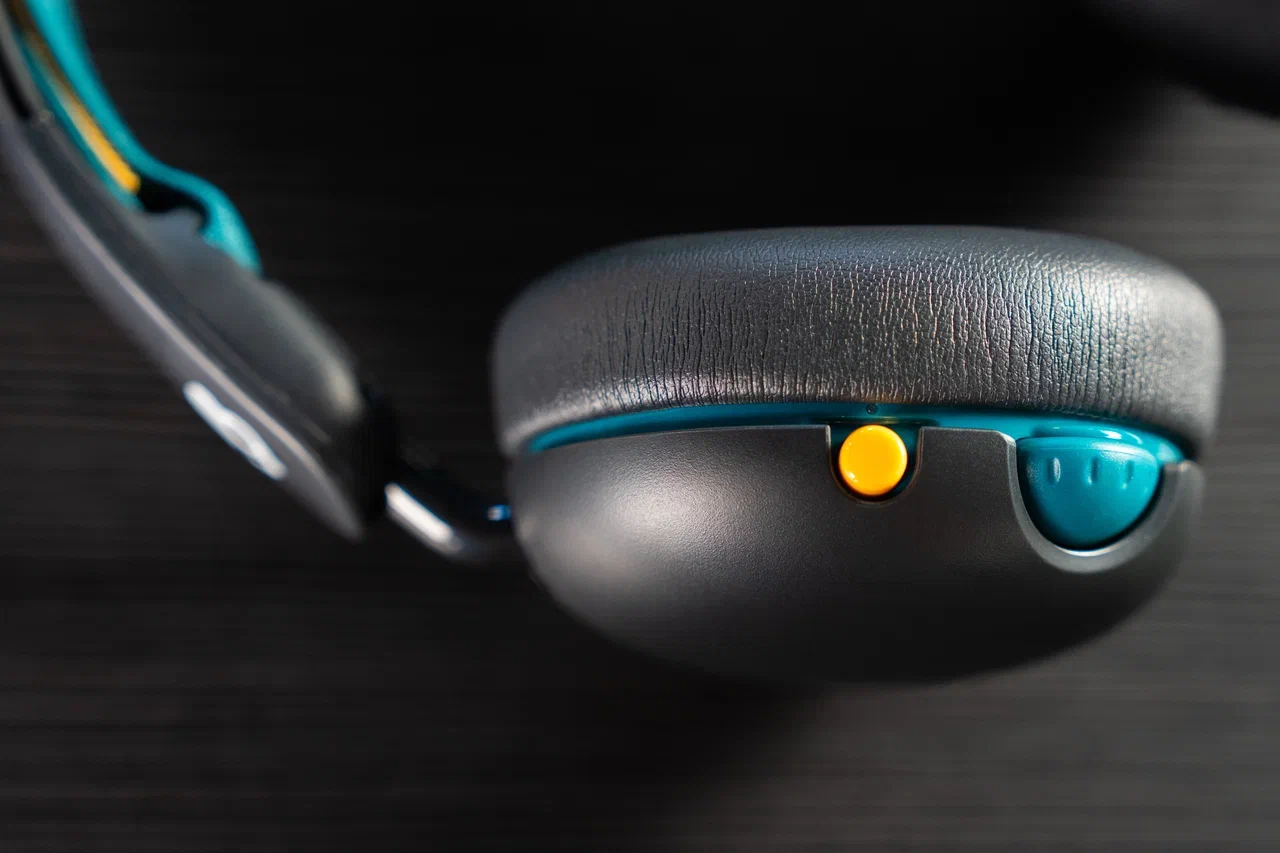
Furthermore, sometimes these limiters are just a physical switch on the earcup that a curious child can easily flip. In other cases, the limit is achieved by a resistor in the cable, which means if the cable is plugged in the wrong way, the limiter won't work.
The bottom line here is: a limiter is a helpful feature, but it is not a substitute for parental supervision.
Mythbusting: Is Listening Above 85 dB Always Dangerous?
Since 85 dB is considered safe for a full eight hours, it follows that headphones can be a bit louder if a child uses them for shorter periods. This leads to common but flawed advice, like the "60/60 rule" (listen at 60% volume for no more than 60 minutes).
You can safely ignore any such rule, because it is meaningless.
The actual loudness produced by a device has no direct relationship to its volume percentage. Plug a pair of high-impedance, low-sensitivity headphones into a regular phone, and you can listen at 100% volume for hours — the weak amplifier simply can't produce a dangerous sound level. Conversely, plug a pair of sensitive, low-impedance IEMs into a powerful Hi-Fi player, and you could risk hearing damage long before you reach 60% volume.
Mythbusting: Are In-Ear Headphones a Bad Idea for Kids?
This opinion is repeated in the vast majority of articles on this topic. We believe it is, if not entirely wrong, at least inaccurate and fails to consider many factors.
Yes, IEMs sit closer to the eardrum and create more sound pressure at an equal volume level compared to over-ear models. However, they typically offer far better passive noise isolation. This means a child doesn't need to crank the volume up to maximum to hear their content, which is especially important in noisy urban environments.
Many also accuse IEMs of having inferior sound and comfort compared to over-ear models. This is another misconception. The sound of a good IEM can be as good as, or even orders of magnitude better than, a cheap pair of "kids'" over-ear headphones. There's a reason musicians use IEMs for on-stage monitoring — they are incredibly accurate tools.
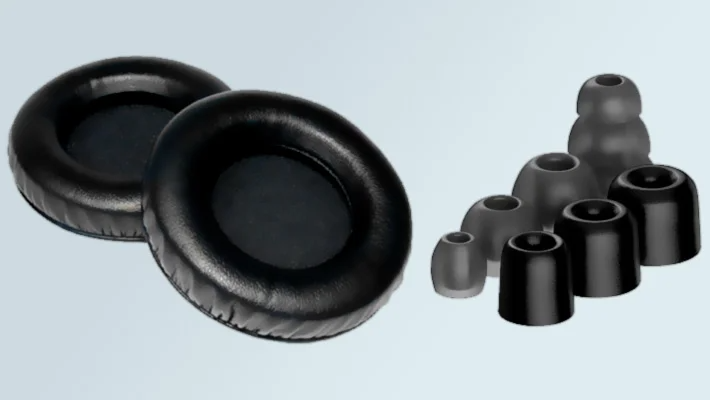
As for comfort, it's entirely individual. For many people (adults and children alike), IEMs are far more comfortable than headphones with a headband. They're lighter, more compact, and come with a variety of eartip sizes for a perfect fit.
The only real caveat is that IEMs are not suitable for the youngest toddlers who might try to swallow them. For older kids, however, they can be an excellent alternative.
The ANC Solution: A Parent's Secret Weapon?
Some parents look to headphones as a tool to calm or distract a child during travel or in a frighteningly loud environment (like a fireworks display). Most so-called "kids' headphones" are terrible for this. Their poor passive isolation, combined with a limited volume, simply cannot compete with loud external noise.
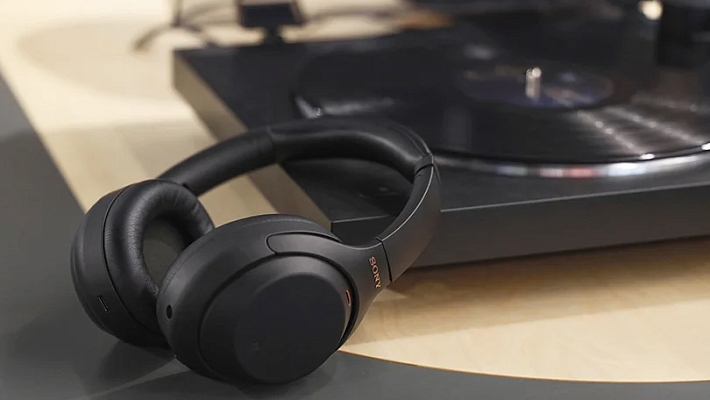
Active Noise Cancellation (ANC) is a far more logical and effective solution to this problem. It actively erases the outside world, allowing the child to stay calm and listen to their content at a safe, low volume. However, you will rarely, if ever, find ANC in headphones marketed specifically for children.
The Overlooked Option: Bone Conduction Headphones
You will hardly see this type of device mentioned in articles about kids' headphones; many adults don't even know they exist. Yet, bone conduction headphones can be a fantastic find for many parents and their children.

Brand: Shokz
Headphone type: wireless
The lowest frequency, Hz: 20

Brand: Shokz
Headphone type: wireless
The lowest frequency, Hz: 20

In-Ear headphone type: true wireless
Brand: Shokz
Headphone type: wireless
Brand: Shokz
Headphone type: wireless
The lowest frequency, Hz: 50

Brand: Shokz
Headphone type: wireless
The lowest frequency, Hz: 20

In-Ear headphone type: true wireless
Brand: Shokz
Headphone type: wireless
Brand: Shokz
Headphone type: wireless
The lowest frequency, Hz: 20

Brand: Shokz
Headphone type: wireless
The lowest frequency, Hz: 20

Brand: Shokz
Headphone type: wireless
The lowest frequency, Hz: 20
These "headphones" rest on the bone next to the ear and transmit sound via vibration, leaving the ears completely open and not exposing the eardrums to direct sound pressure. Furthermore, the child can still hear everything happening around them — whether it's you calling their name or traffic on the street.
The Bottom Line: Your Key Takeaways
Let’s recap everything we’ve covered in this article.
- With proper parental supervision, headphones pose no danger to a child.
- A volume limiter is a good feature, but it cannot be relied upon exclusively. Also, limiters work more reliably in wireless headphones.
- It's important to consider not just the volume, but also the duration of sound exposure.
- Different headphones are suitable for different ages and situations: from bright, "toy-like" models for the little ones to adult-grade IEMs or over-ears for older kids; from bone conduction when awareness is key, to ANC when you need to block out a loud environment.
- The best way to choose headphones is to try them on and test them out together with your child.
That’s all for today. Now you know what to pay attention to when choosing your kids’ new headphones, and what myths to ignore. If you have any questions left, reach out to our experts or visit Dr.Head’s Dubai showroom to test some models with your children. We’ll be happy to help you!