










Guide: How to Choose Headphones for Home Use
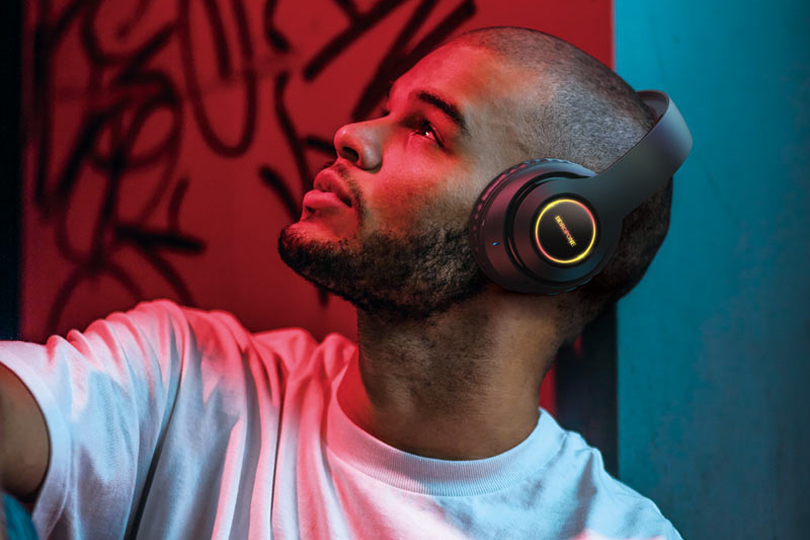
Let’s start with the basics — what exactly do we mean by "headphones for home"? Things used to be simple: the first headphones were wired by design and weren’t intended for portable use — consumer-grade portable audio gear simply didn’t exist back then.
Contents
Headphones:
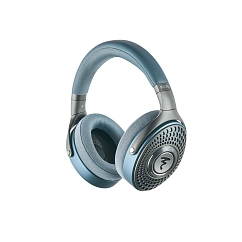
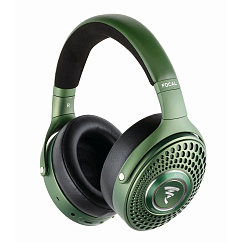
Multipoint: yes
Brand: Focal
Headphone type: wireless
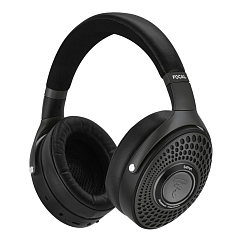


Brand: MoonDrop
Headphone type: wired
The lowest frequency, Hz: 15

Multipoint: yes
Brand: Sennheiser
Headphone type: wireless, wired
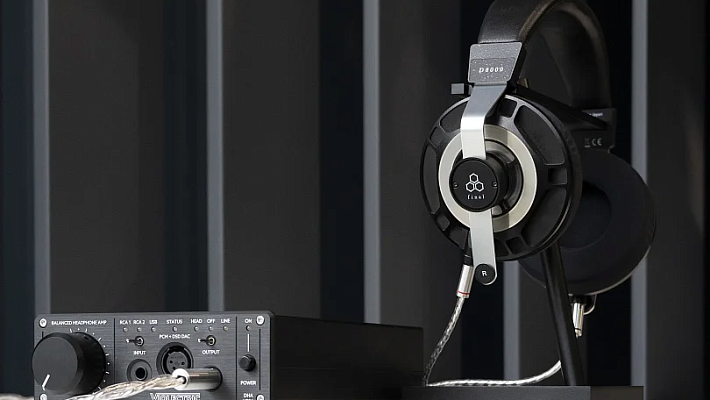
Until relatively recently, before the advent of wireless headphones and other industry changes, the line between home and portable models was much more clearly drawn. "Home headphones" typically referred to full-size wired models that usually required more powerful amplification than their portable counterparts.
What Counts as Home Headphones Today?
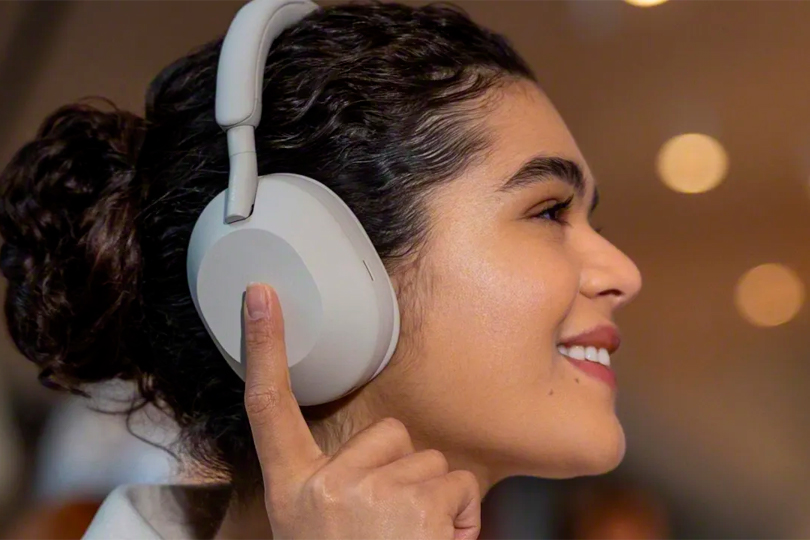
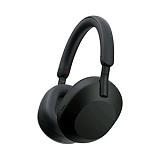
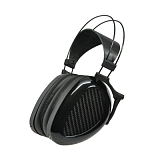
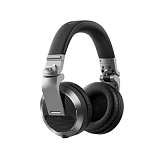
These days, “home headphones” can mean almost anything—from classic wired over-ear headphones, including high-end audiophile models, to modern compact true wireless earbuds, gaming headsets, and more. Essentially, home headphones are whatever you choose to use at home—only the listener can decide what suits their personal at-home audio experience best.
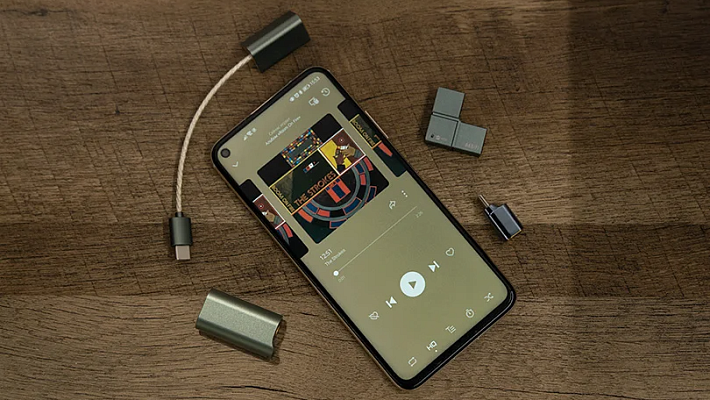
And with today’s vast selection on the market, there’s a perfect option for everyone. To help simplify your search, we at Dr. Head have prepared a series of guides designed to help you navigate the landscape of headphone choices. In recent years, many users have opted for wireless models — originally designed for portable use — as their go-to headphones at home.
But in this article, we’ll take a closer look at choosing classic home Hi-Fi and High-End headphones.
The Specifics of Choosing Hi-Fi and High-End Headphones
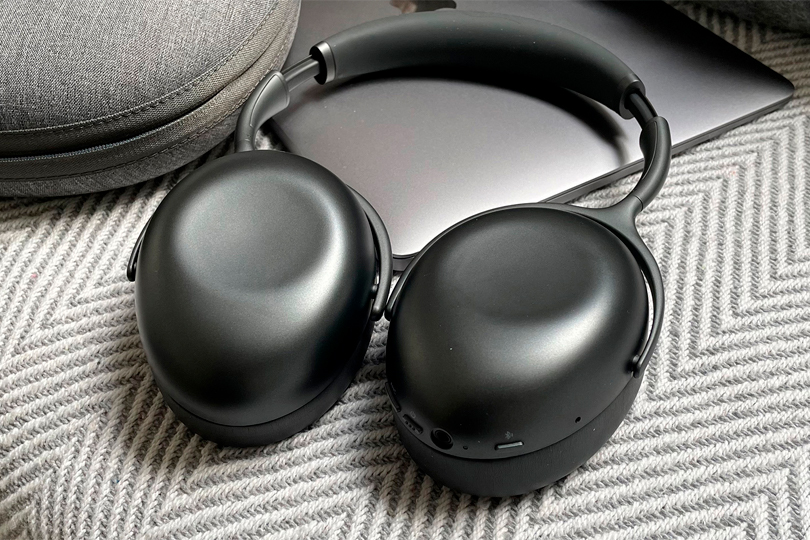
So, you’ve familiarized yourself with the different types and construction of headphones. Chances are, you’ve owned a pair or two already. But choosing your first Hi-Fi or High-End headphones is a whole different story — it’s a serious investment that may last you for many years. Naturally, no one wants to make the wrong choice.
Matching the Right Amplifier
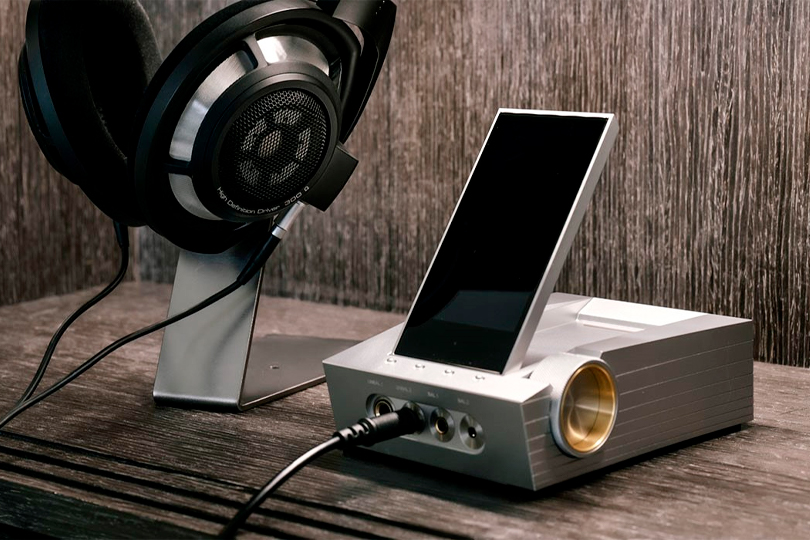
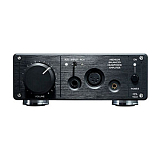
The key difference with Hi-Fi and High-End headphones is this: to unlock their full potential, proper amplification is a must. Some headphone amplifiers specify a recommended impedance range; others only list output power — sometimes measured under different conditions. Meanwhile, headphone specs may be measured according to different standards or not disclosed in full at all.
How do you make sense of all this? Keep in mind: numbers only tell you whether two components are technically compatible. They won’t tell you how they actually sound together.
That’s why our main piece of advice applies more than ever when it comes to audiophile gear: listen before you buy. There's no substitute for personal experience. But what if visiting a store isn't an option? Then online reviews and forum discussions can be helpful — just don’t rely too heavily on the opinions of individual users. Everyone hears differently, and many reviewers are basing their impressions on a relatively narrow range of models. At Dr. Head, our experts audition numerous headphones daily. Their "trained ears" help them offer more objective feedback and comparisons between the models you’re interested in.
Exotic Driver Technologies
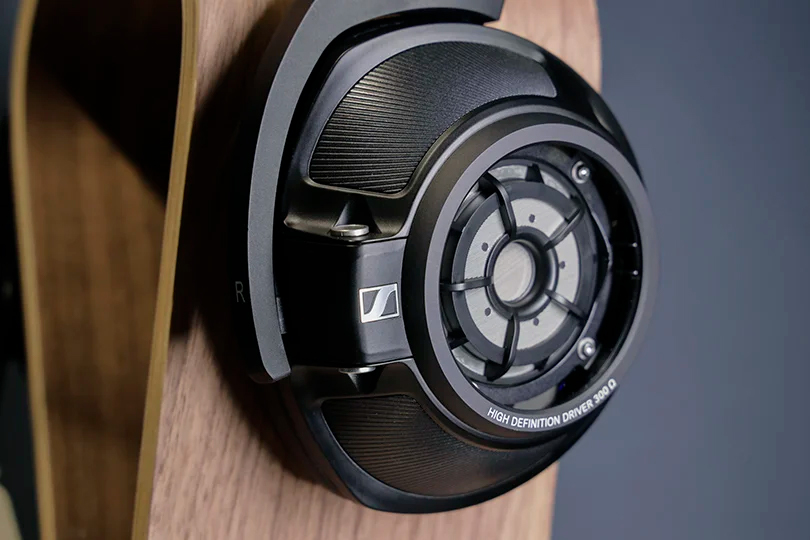
The bigger your budget, the more likely you are to consider not just traditional dynamic-driver headphones (which dominate the market), but also planar magnetic (isodynamic) models— or even electrostatic headphones. If you’re considering in-ear models, you might also look at balanced armature or hybrid designs.
Which type sounds best? Each has its strengths and trade-offs, and sonic character can vary widely between models. Add to that your personal sonic preferences, and it becomes clear that there’s no “best” driver type across the board. Instead of chasing specific technologies, focus on what actually sounds good to you.
Replaceable Cables
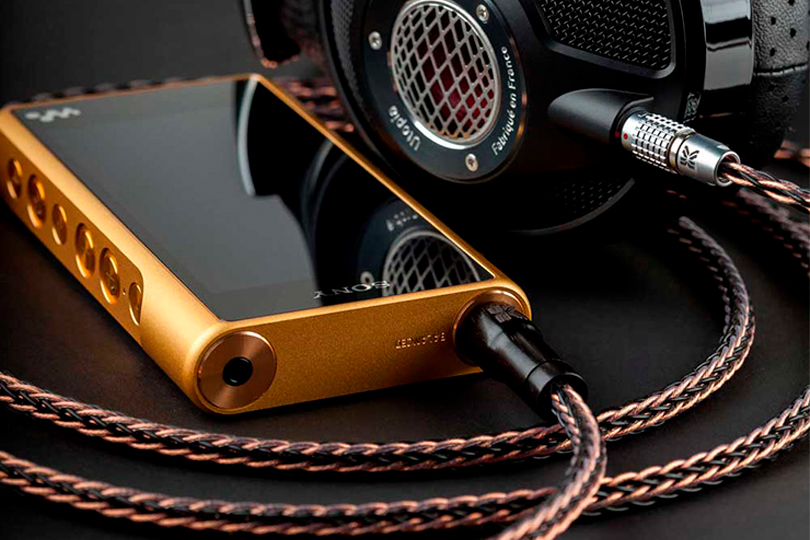
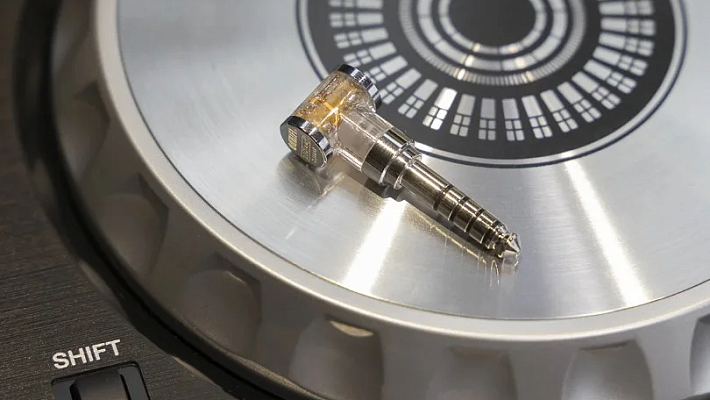
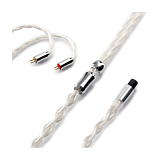
Let’s also touch on cables — an often-overlooked aspect that plays a bigger role in this category. We’re not saying you should rush out and buy a cable that costs more than your headphones. But even if you’re a skeptic, we suggest giving aftermarket cables a try — at least as an experiment. You may be (un)pleasantly surprised by how much hidden potential your headphones have, even some of the most advanced High-End models, when using a stock cable.
Still Have Questions?
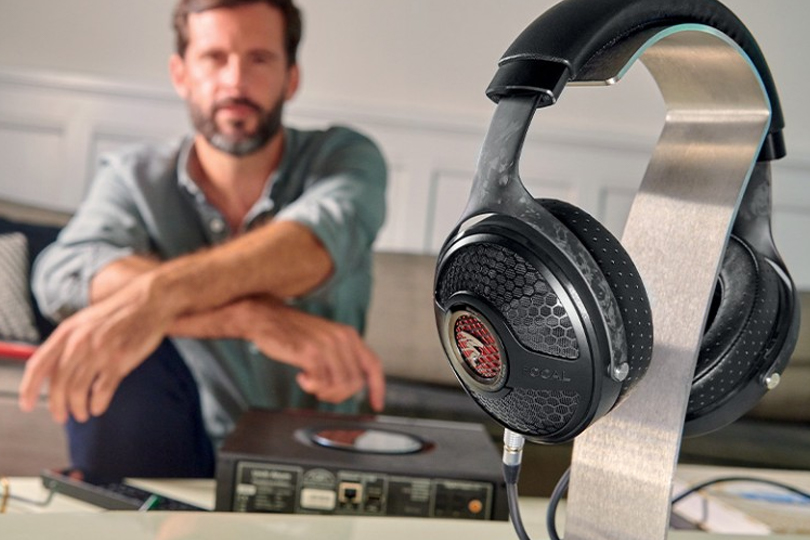
If you’ve read our guides and still have questions about choosing the right headphones, don’t hesitate to leave a comment — we’ll be happy to go into more detail. You can also reach out to our consultants in-store or online. And of course, remember that at Dr. Head stores, you can listen to everything we offer — so you can evaluate your options firsthand and make a well-informed decision.
We look forward to welcoming you!
Headphones:
Multipoint: yes
Brand: Focal
Headphone type: wireless
Brand: MoonDrop
Headphone type: wired
The lowest frequency, Hz: 15
Multipoint: yes
Brand: Sennheiser
Headphone type: wireless, wired