










Headphone Burn-In: Audiophile Myth or Sonic Reality?
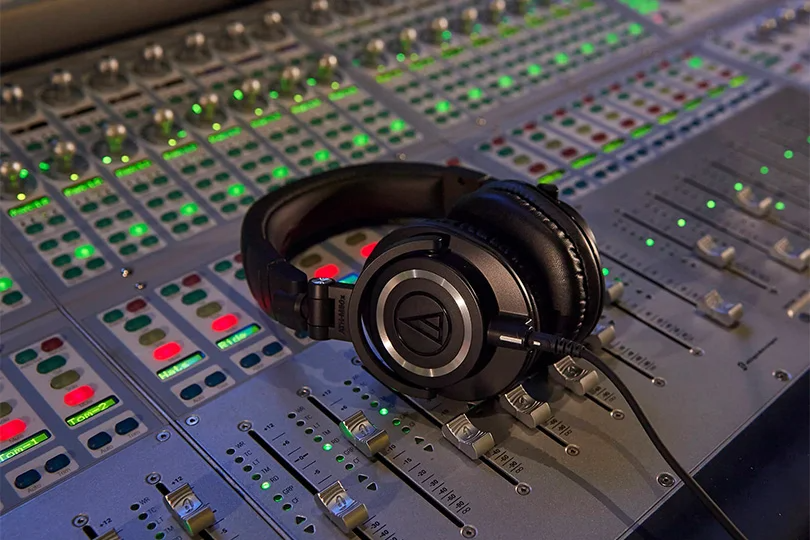
"Burn-in" is a ritual many audiophiles swear by. The concept is simple: before critically listening to a new pair of headphones, you must let them play music, white noise, or pink noise continuously for tens or even hundreds of hours.
But does this procedure actually improve the sound, or is it just an enduring industry myth? Let’s look at the hard science and figure out if you really need to burn in your new gear.
Contents
Where Did the Idea Come From?
The idea of burn-in originates from classic hi-fi loudspeakers. In the past century, massive floor-standing speakers featured large drivers with stiff suspensions that required mechanical break-in time to loosen up and become flexible.
But modern headphones use microscopic, highly engineered materials designed for immediate precision. However, countless enthusiasts on audiophile forums insist they hear a massive transformation after 100 hours of burning their new headphones in.
What Do the Manufacturers Say?
Major headphone brands are surprisingly unanimous: modern headphones are ready to deliver peak performance right out of the box. Factory engineers confirm that the advanced materials used today achieve stable acoustic characteristics from the very first minute.
It makes perfect sense from a business perspective: if premium headphones sounded terrible for the first 50 hours, a customer testing them in a showroom would immediately return them. Brands design their products to impress you instantly, so this checks out.
The Hard Science: Measurements and Blind Tests
The debate over burn-in can easily be settled with objective data. Audio professionals have conducted countless tests measuring headphones before and after 200 hours of continuous playback. The results are telling.
- Frequency Response: Deviations rarely exceed 1–2 dB, which is entirely imperceptible to the human ear.
- Harmonic Distortion: Remains perfectly aligned with factory specifications.
- Impedance: Fluctuates by a negligible 3–5%.
Furthermore, in blind A/B tests where listeners compare a brand-new pair against a "burned-in" pair of the exact same model, even seasoned audiophiles fail to consistently tell them apart.
Psychoacoustics: Burning In Your Brain
If measurement rigs show no physical change, why do so many people swear the bass gets deeper, and the highs get smoother? The answer lies in your brain, not your hardware.
- Aural Adaptation: Every headphone has a unique sound signature. It takes your brain a few days to adjust to a new balance of bass, mids, and treble. What initially sounds "harsh" will sound "detailed" once your ears adapt.
- Expectation Bias: If you spend days burning in a device, you subconsciously want it to sound better. Your brain willingly focuses on positive details to validate your effort and investment.
- The Novelty Effect: As you listen to your favorite tracks over the first few weeks, you naturally notice new details. You mistakenly attribute this to the headphones physically changing, rather than your brain simply paying closer attention.
What Actually Changes Over Time?
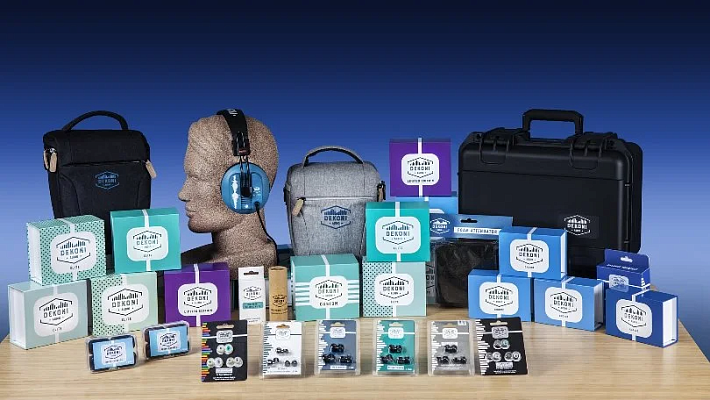
While the internal drivers remain essentially static, one physical element does transform: the ear pads.
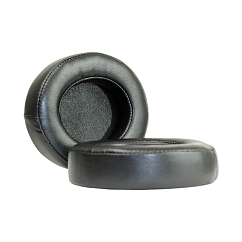
Brand: Dekoni Audio
Type: earpads
Material: synthetic leather
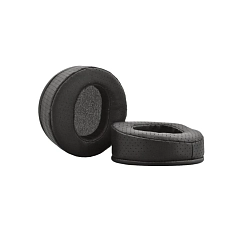
Brand: Dekoni Audio
Type: earpads
Material: leather
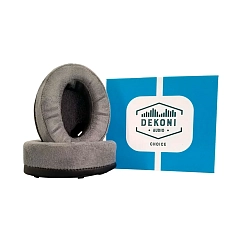
Brand: Dekoni Audio
Type: earpads
Material: suede
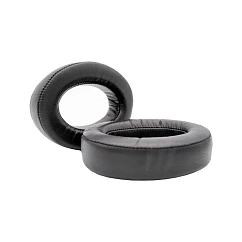
Brand: Dekoni Audio
Type: earpads
Material: synthetic leather

Brand: Dekoni Audio
Type: earpads
Material: leather, velour
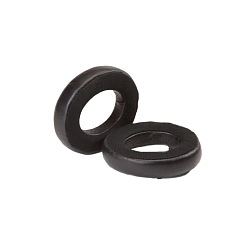
Brand: Dekoni Audio
Type: earpads
Material: leather, velour

Brand: Dekoni Audio
Type: earpads
Material: synthetic leather
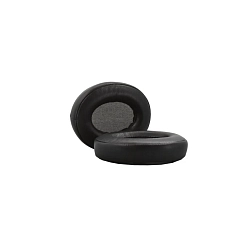
Brand: Dekoni Audio
Type: earpads
Material: synthetic leather
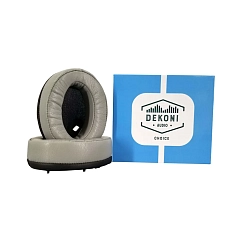
Brand: Dekoni Audio
: 44
Compatible headphone model: Sony WH-1000XM4
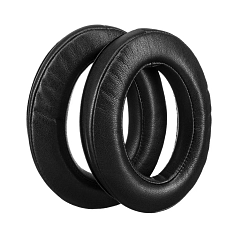
Brand: Dekoni Audio
Type: earpads
Material: synthetic leather
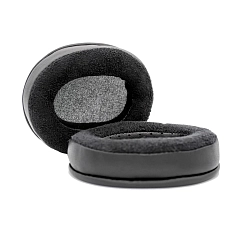
Brand: Dekoni Audio
Type: earpads
Material: leather
Whether made of synthetic leather, velour, or memory foam, ear pads soften as they react to your body heat, sweat, and the clamping force of the headband.
- A Better Seal: Softer pads conform to the unique shape of your head, creating a tighter, more personalized acoustic seal.
- Enhanced Bass: A perfect seal traps low frequencies, making the bass sound noticeably deeper and punchier than on day one.
- Increased Comfort: The initial clamping force relaxes, reducing fatigue during long listening sessions.
This natural process takes a few weeks of normal wear. No artificial white noise loops are required.
How to Properly Test New Headphones
Instead of leaving your headphones in a drawer playing noise, use that time to actively enjoy them.
- Use Familiar Music: Test with tracks you know perfectly. This makes it easier to spot how the new headphones handle complex dynamics compared to your old pair.
- Give It a Few Days: Allow your ears to adapt to the new sound signature. Do not judge a pair based on the first 10 minutes.
- Avoid Max Volume: Blasting pink noise at 100% volume overnight to "speed up" the burn-in process can physically damage the delicate drivers, turning the stubborn myth into a costly repair.
The Verdict
Headphone burn-in is overwhelmingly a psychological phenomenon. Your new headphones are ready to perform from the second you unbox them.
If you genuinely dislike how a pair sounds after a few days of normal use, no amount of white noise is going to magically fix it — it simply is not the right sound signature for you.
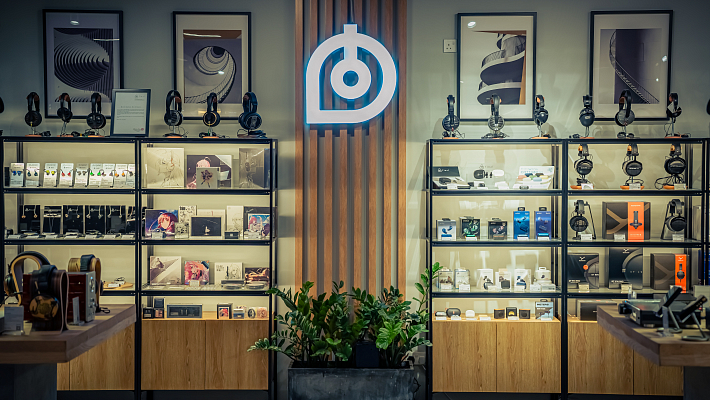
The best way to ensure you get the perfect sound is to trust your ears before you buy. Visit the Dr.Head showroom in Dubai to test hundreds of models across all premium brands. Our experts will help you find the perfect pair that sounds amazing right out of the box.

Multipoint: yes
Brand: Sennheiser
Headphone type: wireless, wired
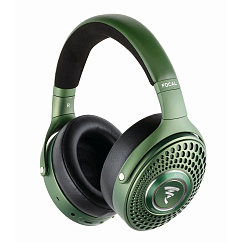
Multipoint: yes
Brand: Focal
Headphone type: wireless
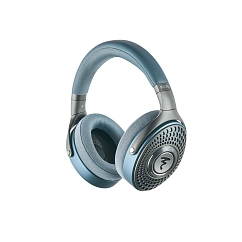
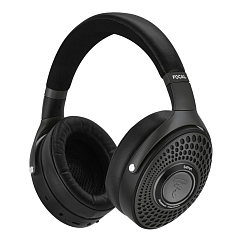
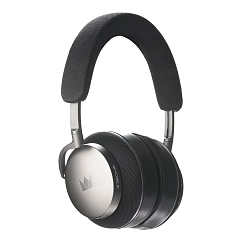
Detachable microphone: yes
Multipoint: yes
Headset type: stereo
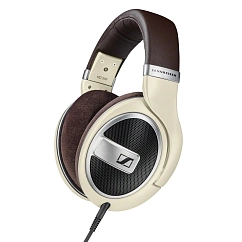
Brand: Sennheiser
Headphone type: wired
The lowest frequency, Hz: 12


Brand: Focal
Headphone type: wireless
The lowest frequency, Hz: 15

Brand: Sennheiser
Headphone type: wired
The lowest frequency, Hz: 8

Cable type: straight
Field of application: DJ, mixing
Brand: Sennheiser
Cable type: straight
Max SPL, dB: 103
Nonlinear distortion level (NDL), %: 0.1