
& Personal Audio

& Hi-Fi Audio
& Pro Audio
Shop
Alphabetical Index
A
B
C
D
E
F
G
H
I
J
K
L
M
N
O
P
Q
R
S
T
U
V
W
X
Y
Z
Popular Brands











Turntables
98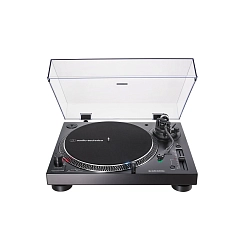
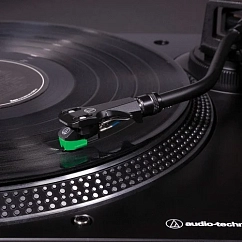
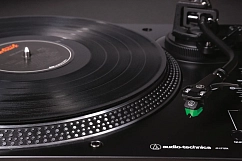
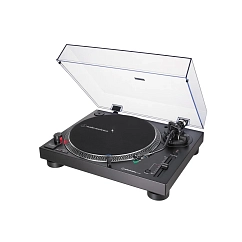


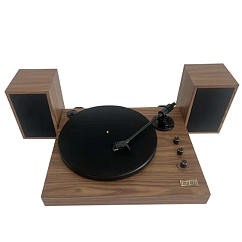

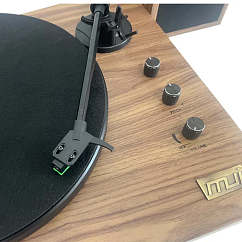


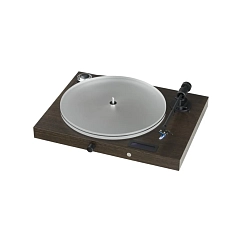

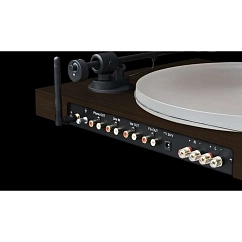
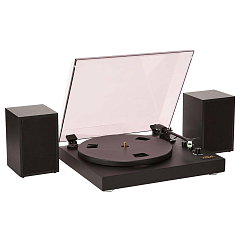
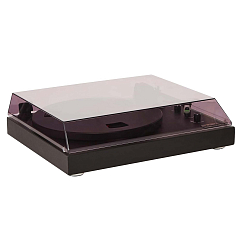
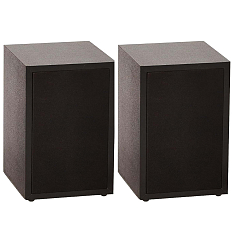
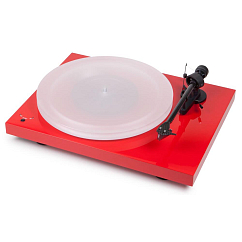
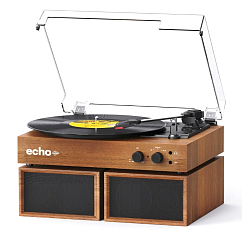
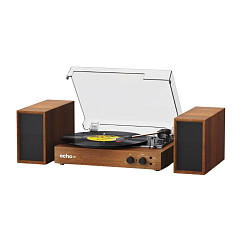
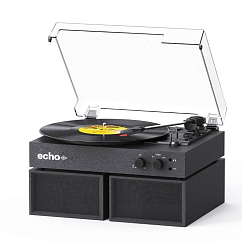
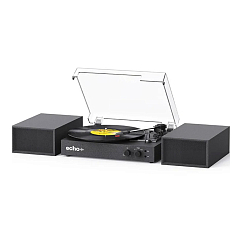
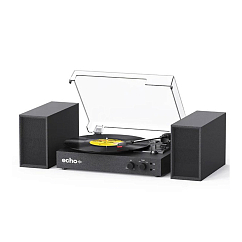
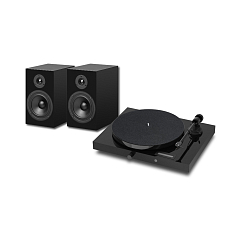
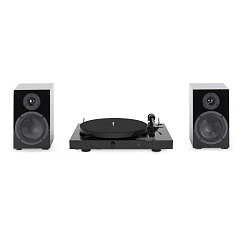
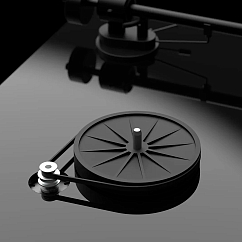
Pro-Ject Set JukeBox S2 + Speaker Box 5 S2 Eucalyptus
Bluetooth version: 4.2
Brand: Pro-Ject
Cartridge type: MM

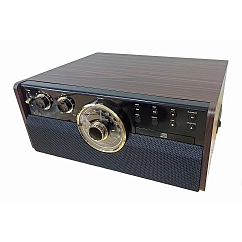
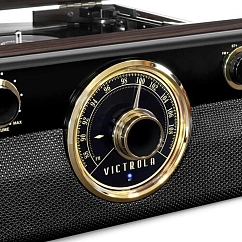
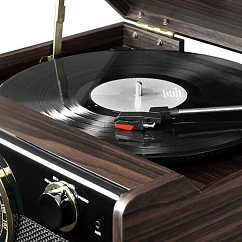
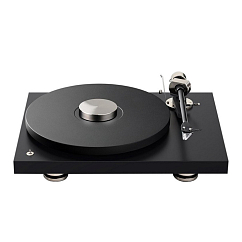
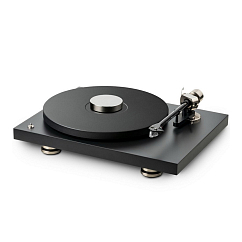

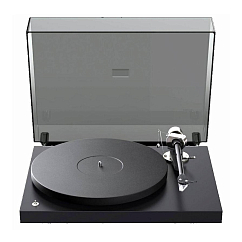
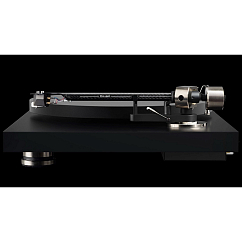
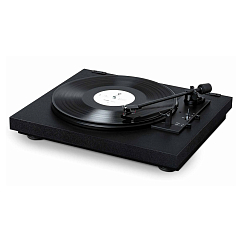
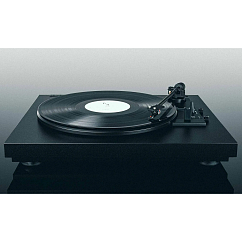

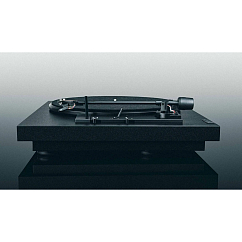
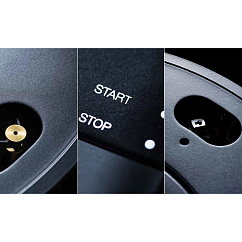
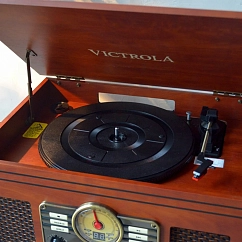
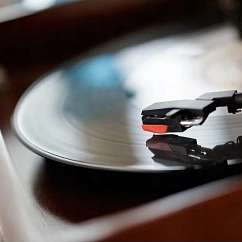
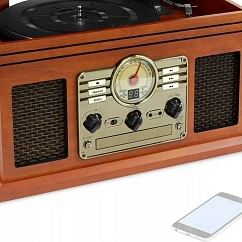
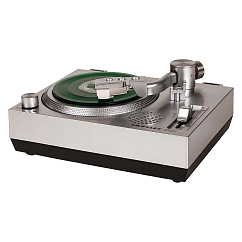
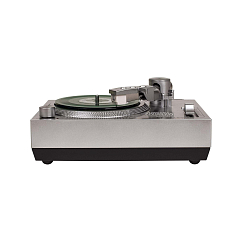
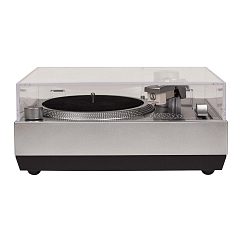
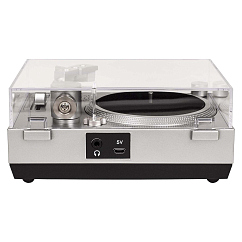
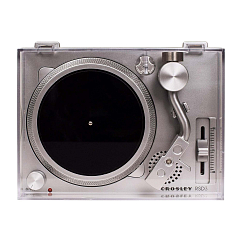
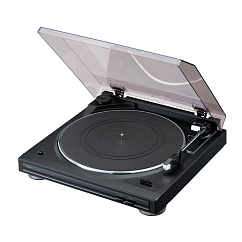
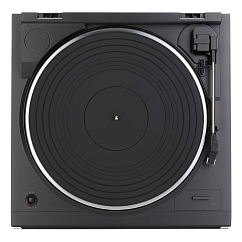
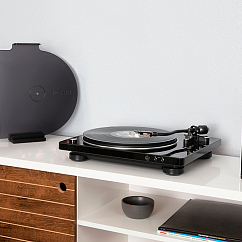
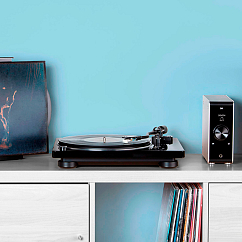
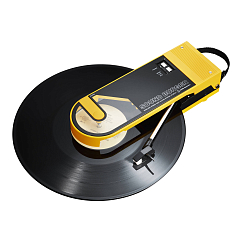
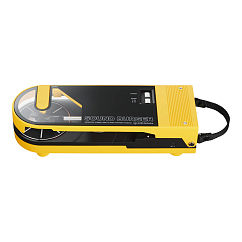
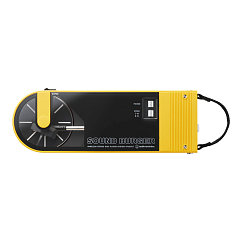
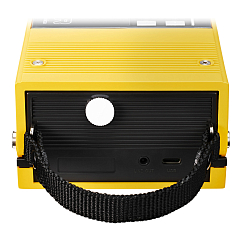
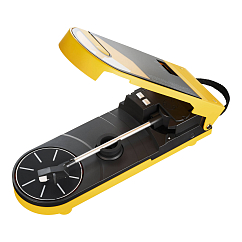
Audio-Technica Sound Burger AT-SB727YL Yellow
Bluetooth version: 5.2
Brand: Audio-Technica
: 34
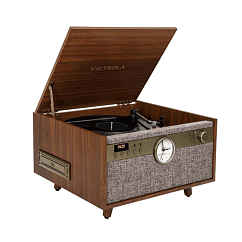
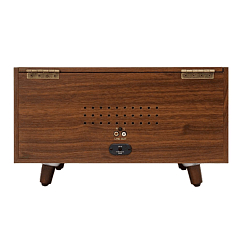

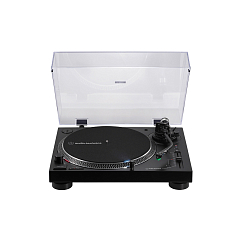

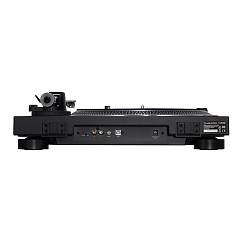
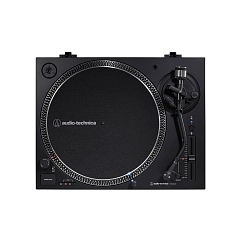


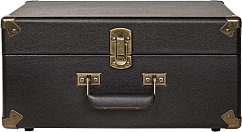

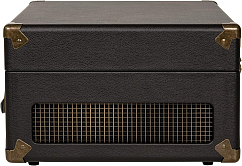
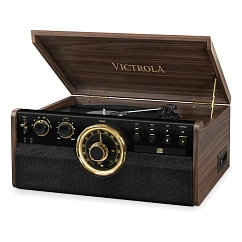
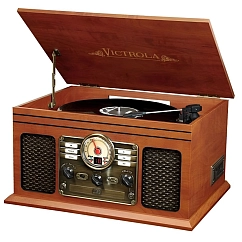
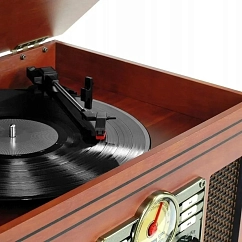
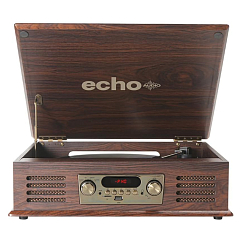
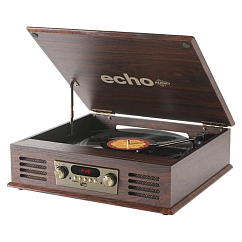
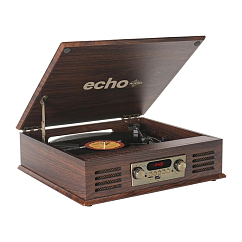
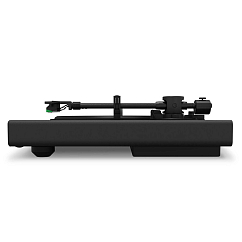
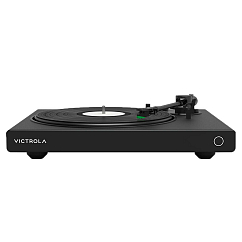
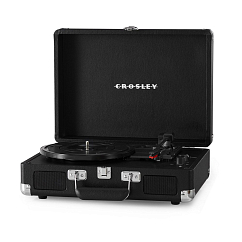
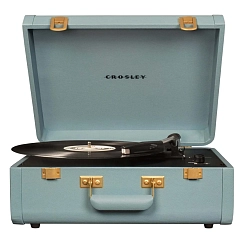
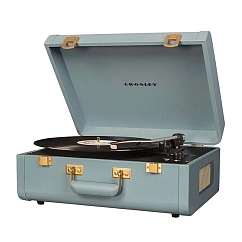
Crosley Anthology Vintage Bluetooth Black
Bluetooth version: 4.1
Brand: Crosley
Cartridge type: MM
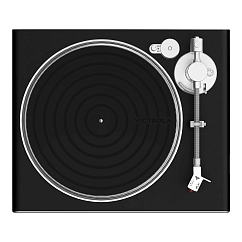
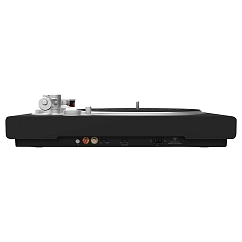


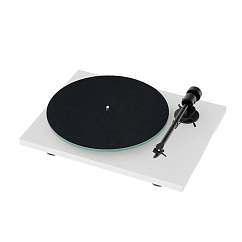
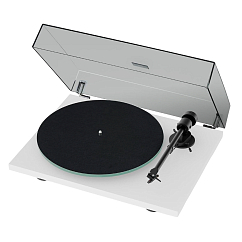



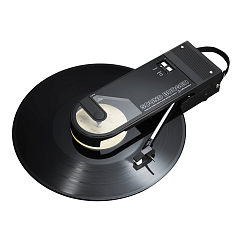
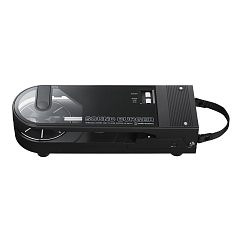
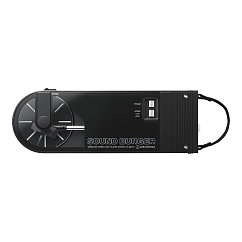
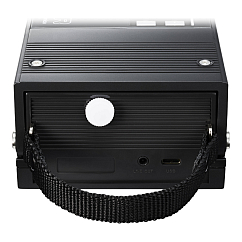
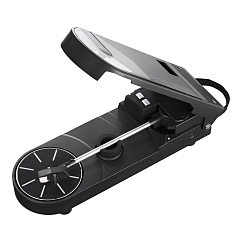
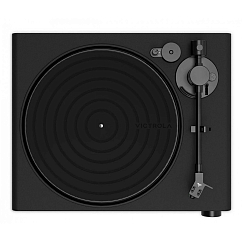
Audio-Technica Sound Burger AT-SB727BK Black
Bluetooth version: 5.2
Brand: Audio-Technica
: 46
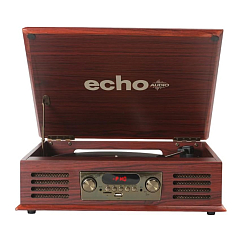
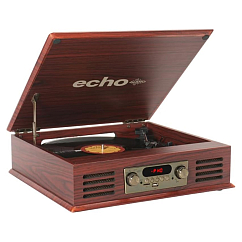
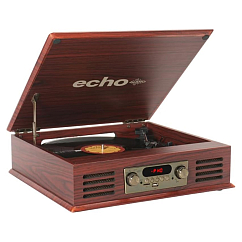



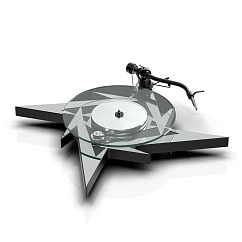
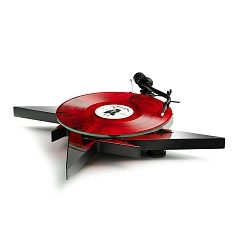
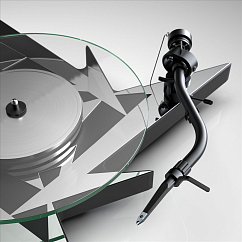
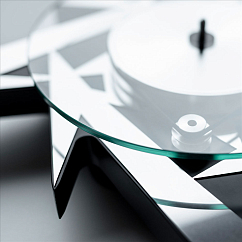

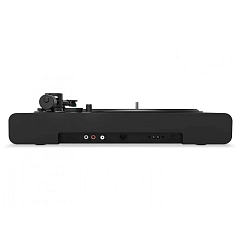
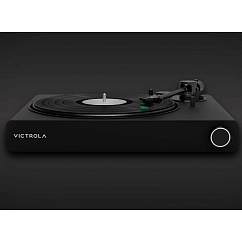

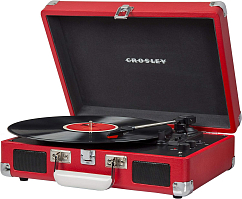
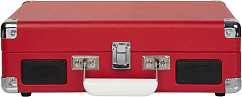
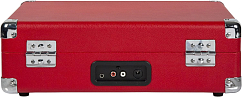
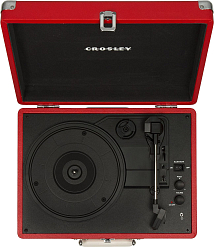











A turntable (aka a record player) is a high-fidelity device for playing vinyl records. It translates the physical grooves of a record into rich, analog music. The core differences between models lie in their mechanical construction, the quality of their components, and their built-in features.
These variations determine the player's final sound quality and its ideal use case — whether for convenient home listening, a dedicated audiophile sound system, or professional DJ equipment. Understanding them is the first step to choosing the perfect turntable for your vinyl record collection.
Which Turntable is Right for You?
Your ideal turntable depends on your listening habits. Here is a breakdown of common user profiles to help you find a starting point.
For Home Listening & Beginners
What: Automatic control, a built-in phono stage, and Bluetooth connectivity.
Why: This combination offers a simple, plug-and-play experience. An automatic tonearm minimizes the risk of damaging your stylus or vinyl, while built-in components allow you to connect the player to almost any smart speaker or amplifier without extra accessories.
For Audiophiles & Enthusiasts
What: A manual control belt-drive system, high-quality tonearm and cartridge, and options for future upgrades.
Why: This configuration provides superior sound quality by isolating motor noise for a clearer signal. Manual operation gives you precise control, and the ability to upgrade components like the cartridge or phono stage allows you to continually improve your audio experience.
For Professional DJs
What: A direct-drive (or straight-drive) system with high torque and a durable, heavy-duty build.
Why: These features are essential for scratching, beat-matching, and the quick start/stop times required in a professional setting. Brands like Technica are industry standards for their reliability.
For Digital Archiving
What: A USB connection interface.
Why: This allows for a direct connection to a computer, making it easy to convert your vinyl record collection into high-quality digital audio files for portable listening.
Understanding Key Features & Filters
These are the most critical parameters to consider when making your choice. They directly correspond to the filters on our website.
Drive Type
This defines how the motor's power spins the platter.
- Belt Drive: The motor is physically separate from the platter and connected by a rubber belt. This is the preferred design for audiophiles.
- Pros: The belt absorbs motor vibrations, preventing them from reaching the stylus. This results in a cleaner, more detailed sound.
- Cons: Slower start-up time compared to direct drive.
- Direct Drive (Straight): The platter is mounted directly on the motor's spindle.
- Pros: High torque, extremely stable speed, and rapid start/stop action. The robust build is ideal for heavy use.
- Cons: Can potentially transmit motor vibrations to the platter, though modern designs have greatly minimized this.
Control
This refers to the operation of the tonearm.
- Automatic Turntables: With one button press, the tonearm automatically lifts, positions itself on the record, and returns to its rest after the side is finished.
Best for: Convenience, ease of use, and protecting your equipment. Perfect for beginners or multi-tasking listeners. - Manual Turntables: You are in full control of lifting the tonearm and placing the needle on the record.
Best for: Audiophiles and enthusiasts who want a more engaging, hands-on experience and the mechanical simplicity that often leads to better performance.
Phono Stage & Cartridge Type
A phono stage (or preamp) is essential for amplifying the very quiet signal from the cartridge.
- Internal Phono Stage: The preamp is built into the turntable. This is a convenient, all-in-one solution that lets you connect directly to any amplifier or powered speaker set with an AUX input.
- External Phono Stage: High-end turntables often omit the phono stage, allowing you to add a higher-quality external unit for a significant improvement in sound. You will need this or an amplifier with a dedicated "PHONO" input.
The phono stage must match the cartridge type:
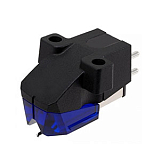
- MM (Moving Magnet): The most common type, known for its warm, musical sound. MM cartridges are a great value and often have a user-replaceable stylus.
- MC (Moving Coil): A high-end option prized by audiophiles for its exceptional detail, clarity, and dynamic range. MC cartridges are more delicate and require a compatible MC phono stage.
Connectivity
This determines how your turntable connects to the rest of your audio system.
- RCA: The classic analog connection, standard for connecting to a home amplifier or external phono stage.
- Bluetooth: Provides the ability to wirelessly stream your vinyl music to compatible smart speakers, headphones, or a modern sound system.
- USB: For connecting to a computer. This is the key feature for anyone wanting to create a digital library of their record collection.
Construction Materials
The quality of materials directly impacts the turntable’s ability to resist unwanted vibrations, which is critical for a clear sound.
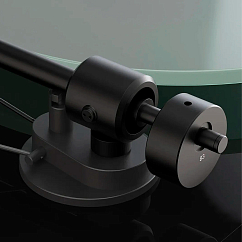
- Tonearm Material: Look for light yet rigid materials. Carbon fiber and aluminum are excellent choices as they allow the stylus to track the groove with maximum precision without adding resonance.
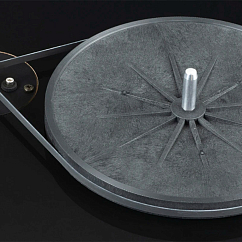
- Plinth (Body) Material: The base of the turntable needs to be heavy and dense to absorb vibrations. MDF is a common and effective material, while higher-end models may use acrylic, solid aluminum, or artificial stone for even better damping and a stunning design.

By using our website, you agree to our use of cookies.