
& Personal Audio

& Hi-Fi Audio
& Pro Audio
Shop

Alphabetical Index
A
B
C
D
E
F
G
H
I
J
K
L
M
N
O
P
Q
R
S
T
U
V
W
X
Y
Z
Popular Brands











Speakers
1027
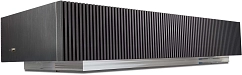
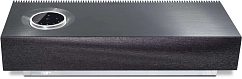
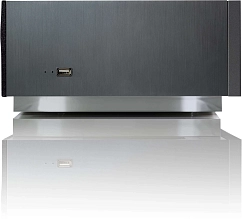
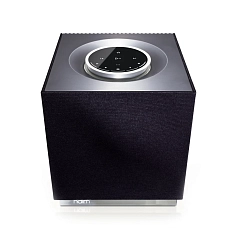






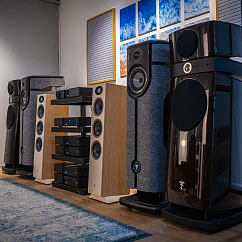
Brand: Focal
: 44
Connection method: hdmi, optical, rca, usb-a, rj45, bluetooth, wifi

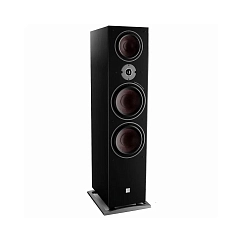
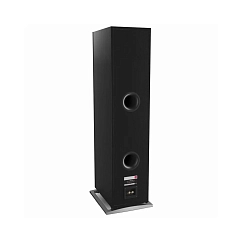
Bluetooth version: 5.3
Cable included: yes
Charging connector: DC-IN




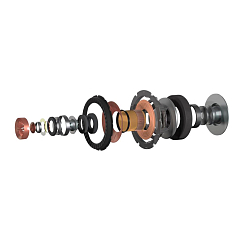
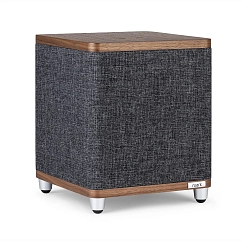

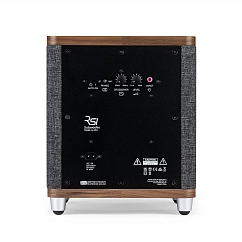
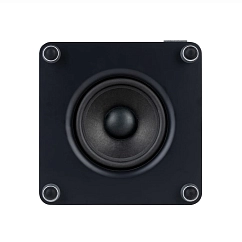

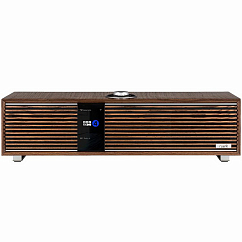
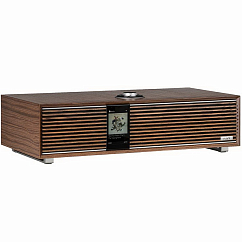
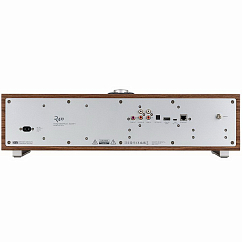
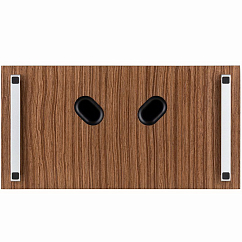
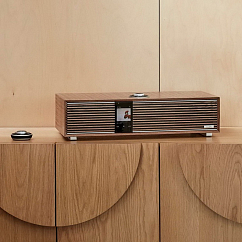
Connection method: wifi, rj45
Phase Inverter location: below
The highest frequency, kHz: 22
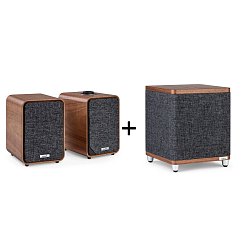
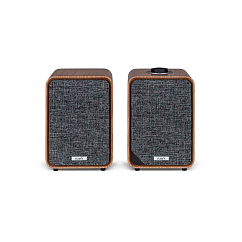
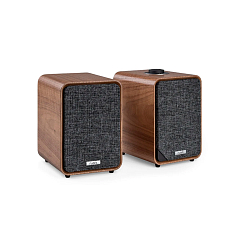
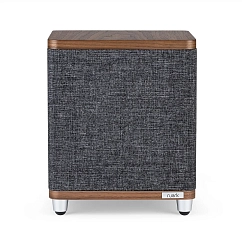


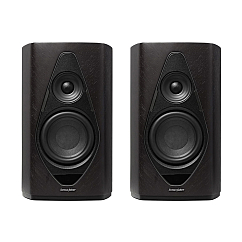

Connection method: bluetooth, wifi, rj45, hdmi
Max SPL, dB: 105
Number of lanes: two-lane


Connection method: bluetooth, wifi
Type of speakers: active bookshelf
Alarm clock: yes
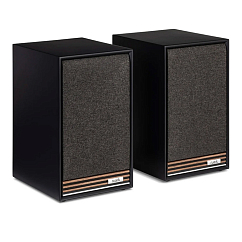




Brand: KEF
: 32
Connection method: bluetooth, wifi, rj45, optical, usb, 3.5





Connection method: bluetooth, wifi
Type of speakers: active bookshelf
Alarm clock: yes


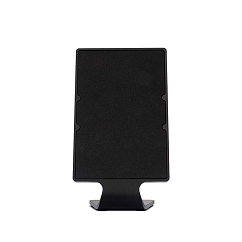


Connection method: bluetooth
Mount type: body
The highest frequency, kHz: 16


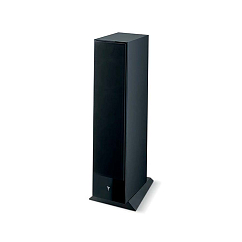
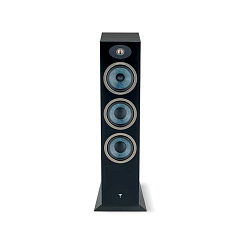


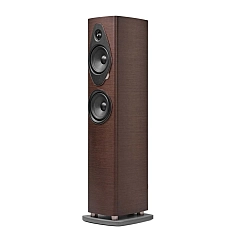
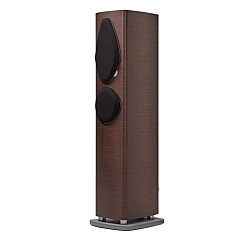

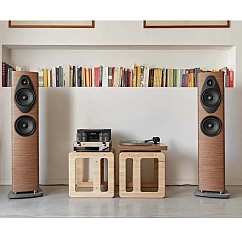
Brand: Sonus Faber
: 37
Connection method: bi-amp, bi-wiring
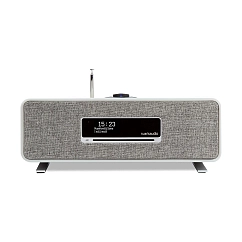
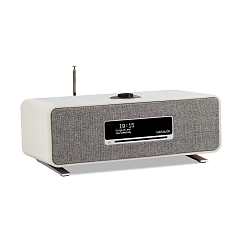

CD drive: yes
Connection method: wifi, bluetooth
Number of lanes: broadband


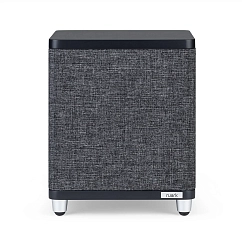
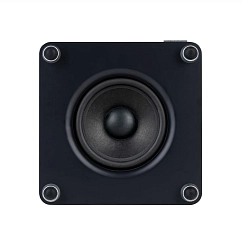
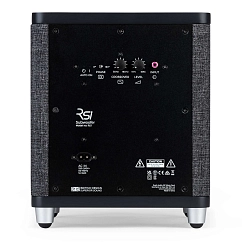
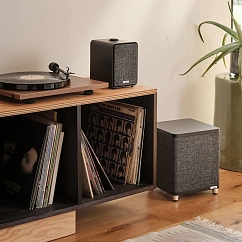




Connection method: bluetooth
Mount type: body
The highest frequency, kHz: 18






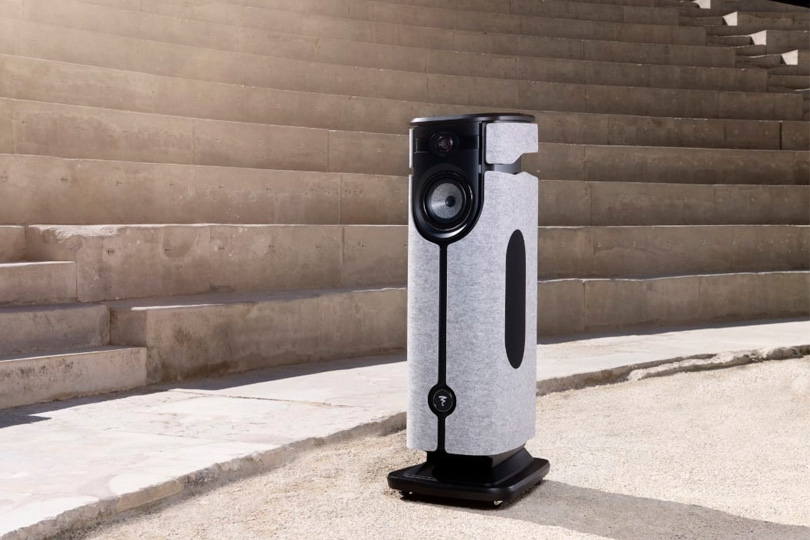
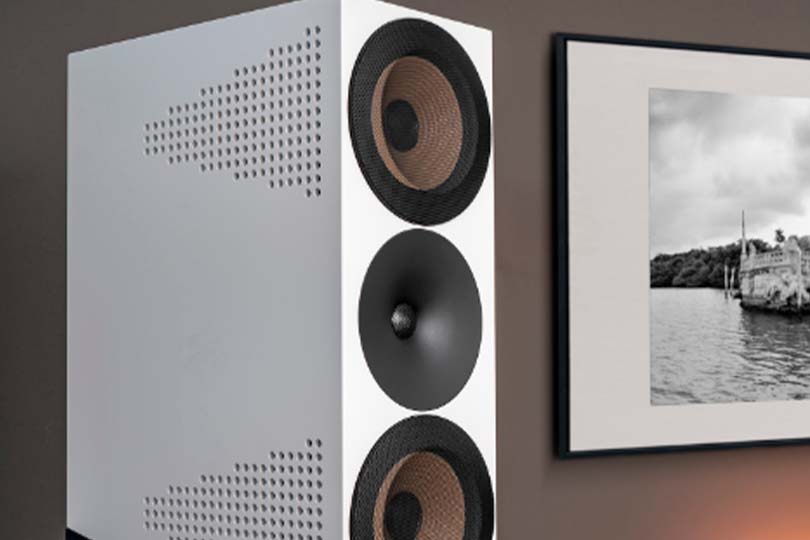






































Speakers, or acoustic systems, convert an electrical audio signal into audible sound. They are the final and most critical component in any sound system, directly determining the quality of the listening experience. The key to selecting the right model is to understand the fundamental differences between them: their principle of operation (active vs. passive), their size and form factor (floorstanding, bookshelf, soundbar), and their intended application (music, home cinema, or portable use).
Which Speakers Are Right for You?
The first step in choosing a speaker is to define its primary role. Different designs excel in different scenarios.
For a Dedicated Stereo System
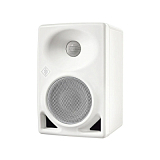
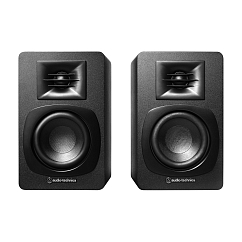
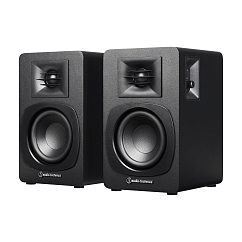
- Bookshelf Speakers: Compact and versatile, they are designed to be placed on stands, shelves, or a desk. They are ideal for small to medium-sized rooms, offering a precise and detailed soundstage.
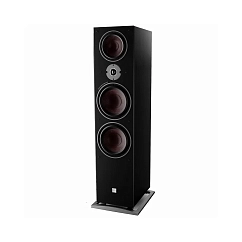
- Floorstanding Speakers: Larger in size, these speakers stand directly on the floor. Their larger cabinets allow for more and bigger drivers, resulting in a fuller sound with deeper bass - perfect for larger spaces and more powerful listening experiences.
For an Immersive Home Cinema
- Center Channel Speaker: Placed above or below your TV, this is arguably the most important speaker in a surround sound system, as it handles almost all dialogue.
- Subwoofer: A specialized speaker dedicated solely to reproducing deep bass and low-frequency effects, adding impact and rumble to movies and music.
- In-Wall/Ceiling Speakers: For a clean, minimalist aesthetic, these speakers are installed directly into your walls or ceiling, providing immersive sound without taking up any floor space.
For Upgrading Your TV Sound
- Soundbar: A simple and highly effective all-in-one solution. A soundbar is a long, thin bar containing multiple speakers that sits below your TV, offering a massive upgrade in clarity and power over the TV's built-in speakers, making it ideal for movies and gaming.
For Portability and Smart Homes
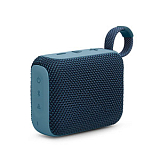
- Portable Bluetooth Speaker: These battery-powered speakers, like the popular Bose SoundLink or JBL models, connect wirelessly to your mobile phone or tablet. They are built for life on the go and often boast water-resistant designs for outdoor use.
- Smart Speaker: A Wi-Fi-connected speaker with a built-in voice assistant (like Amazon Alexa). It can play music from streaming services, control smart home devices, and answer questions, acting as a central hub for your home entertainment.
Understanding Key Features & Filters
Navigating the technical specifications is simple once you understand the core concepts.
Active vs. Passive Speakers
This is the most important distinction, found in the "Type of speakers" filter.
Active speakers contain a built-in amplifier. They are a self-contained system-you just need to plug them into a power source and connect your music player (phone, computer, turntable with a preamp).
- Pros: Simple to set up, perfectly matched amplifier and drivers, less clutter.
- Best for: Desktop and computer setups, smart speakers, soundbars, and anyone seeking a convenient, high-quality solution.
Passive speakers don't have a built-in amplifier and require a separate, external amplifier or AV receiver to power them.
- Pros: Greater flexibility to mix and match components, allowing you to upgrade your amplifier and speakers independently for the best possible sound quality.
- Best for: Traditional Hi-Fi systems, home cinema setups, and audiophiles who want full control over their system's sound.
Speaker Drivers
This refers to how many specialized drivers the speaker uses to reproduce the full spectrum of sound.
- Two-Lane: The most common design. It uses two drivers: a tweeter for high frequencies (cymbals, vocals) and a woofer for midrange and low frequencies (bass, drums).
- Three-Lane: A more advanced design that adds a dedicated midrange driver between the tweeter and woofer. This allows each driver to focus on a narrower frequency range, often resulting in greater clarity and detail, especially in vocals and instruments.
Connection Method
How your speakers receive the audio signal.
- Wireless
- Bluetooth: The universal standard for connecting mobile devices. Perfect for portable speakers and easy, casual listening.
- Wi-Fi: Used in smart speakers and multi-room audio systems (like Sonos). Offers higher quality and range than Bluetooth.
- Digital
- HDMI & Optical: The best options for connecting a soundbar or AV receiver to a TV or gaming console, ensuring a pure digital signal.
- Analog
- RCA & 3.5mm Jack: Classic inputs for connecting turntables, CD players, and many other audio devices.
- Hi-Fi Connections
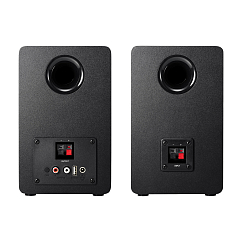
- Terminals: The standard connection on passive speakers, used for connecting speaker wire from your amplifier.
- Bi-wiring: An advanced option on some high-end speakers that uses two sets of speaker wire to connect to a single speaker, which can potentially improve clarity.
Phase Inverter Location
Many speakers feature a "bass reflex port" or phase inverter - a tuned port that enhances bass response. Its location is important to consider in terms of placement.
- At the front: Speakers with a front-facing port are less sensitive to placement and can often be positioned closer to a wall without the bass becoming boomy.
- Behind: A rear-facing port requires more space between the speaker and the wall to function correctly. Giving it room to breathe will result in a more natural and balanced bass response.

By using our website, you agree to our use of cookies.