















Softears Cerberus - Three Technologies, One Immersive Performance
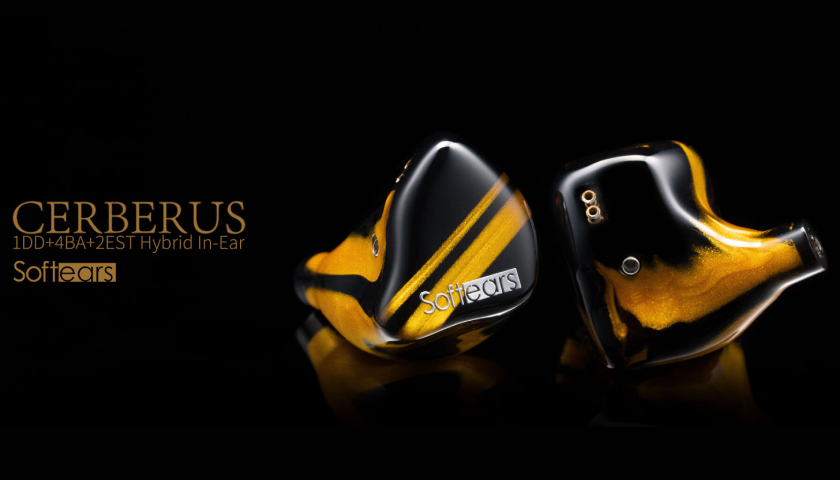
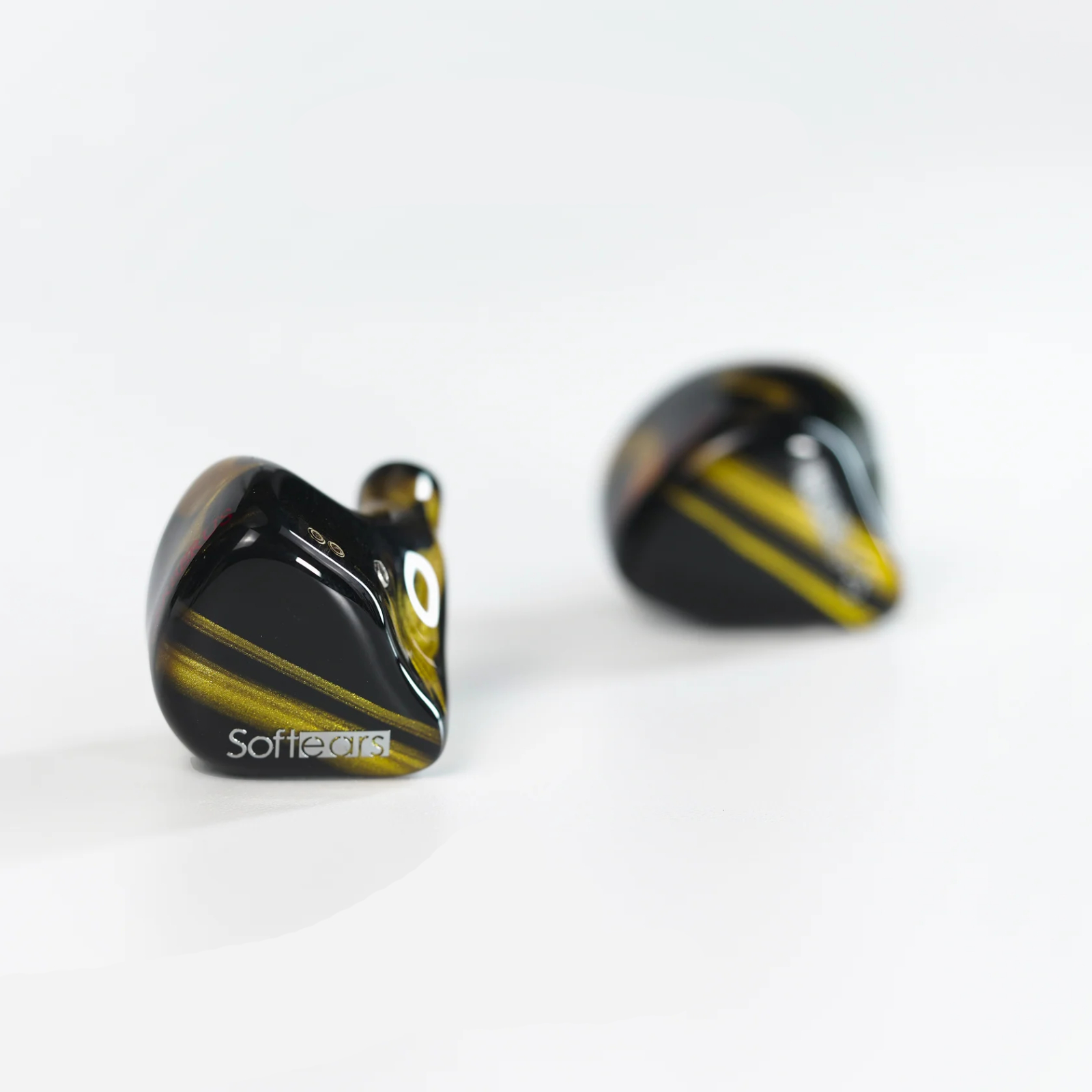
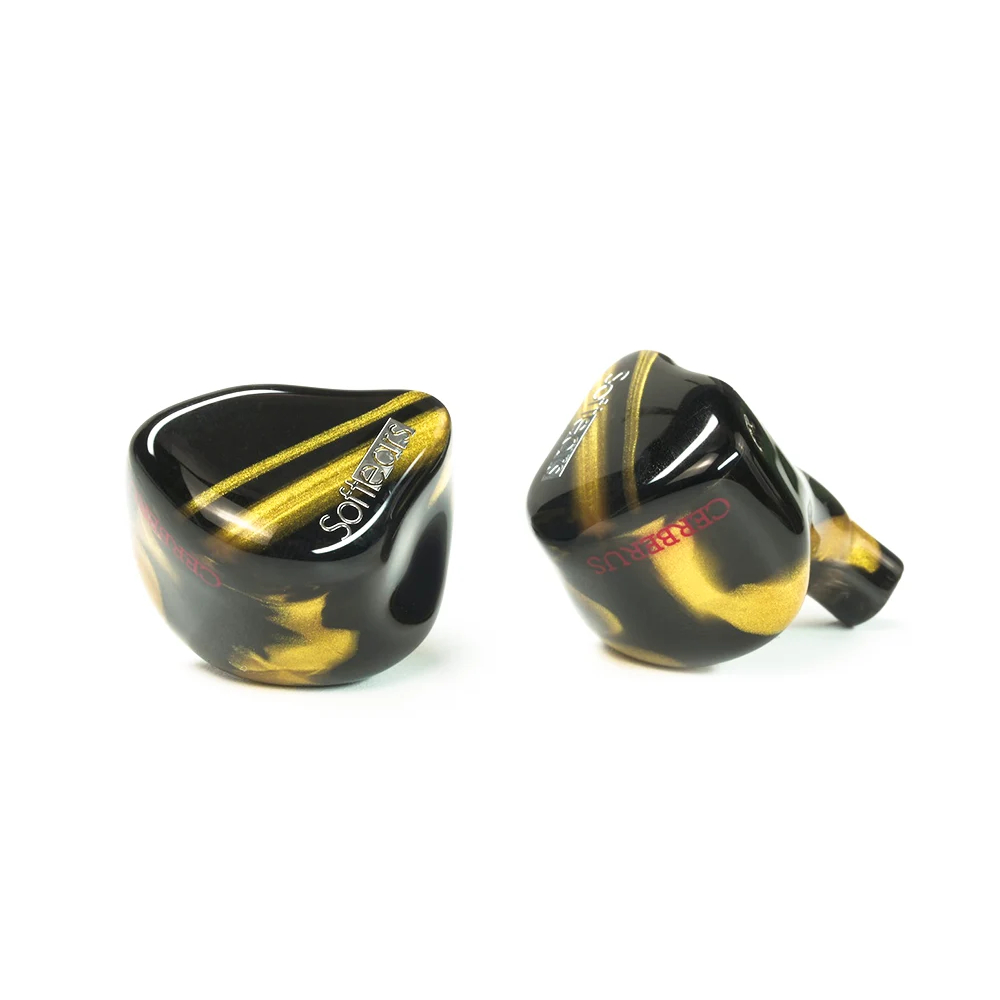
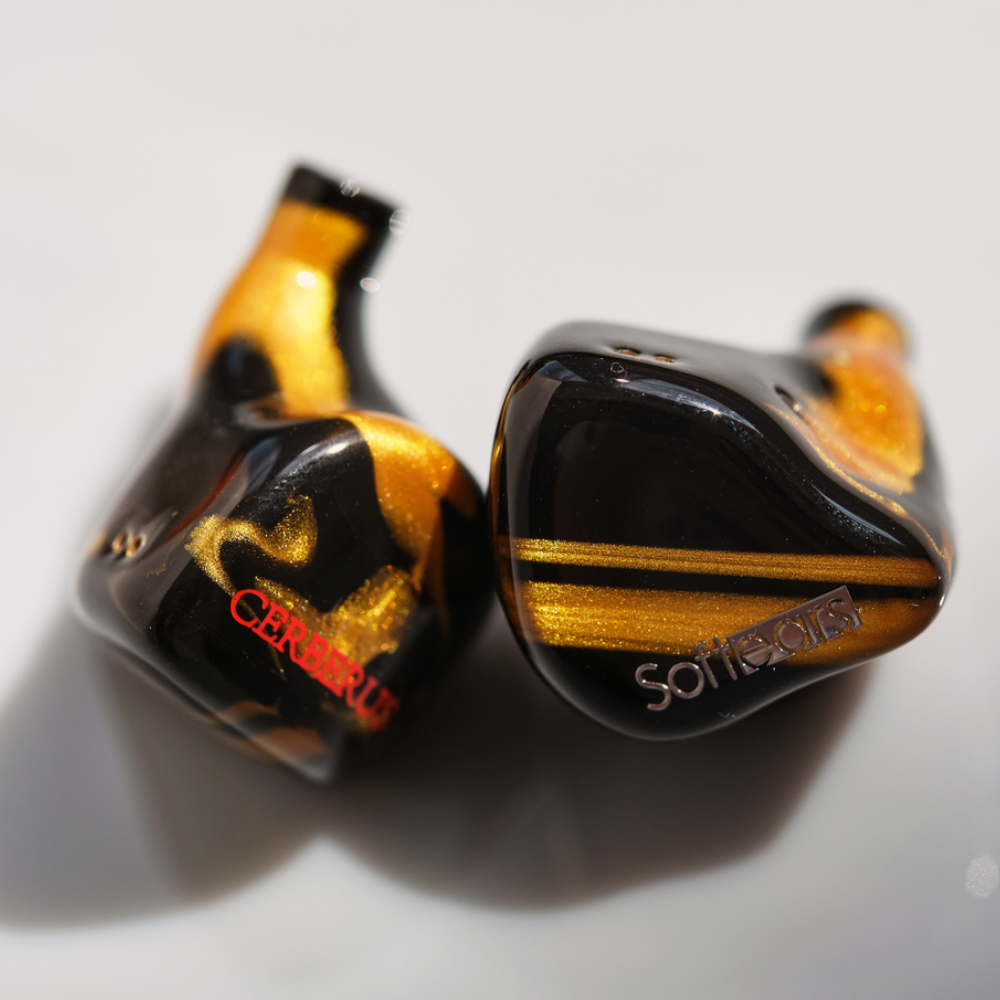
Softears Cerberus combines dynamic, balanced armature and electrostatic drivers in a sophisticated wired in-ear monitor. Each earpiece houses seven active transducers, coordinated through a three-way crossover to cover bass, midrange and treble. This arrangement brings together the physical weight of a dynamic driver, the focused articulation of balanced armatures and the delicate high-frequency reproduction of miniature electrostatic units. Developed as one of Softears’ original flagship models, Cerberus reflects the brand’s experience in custom in-ear craftsmanship and its attention to acoustic integration.
A Dedicated Dynamic Driver for Bass
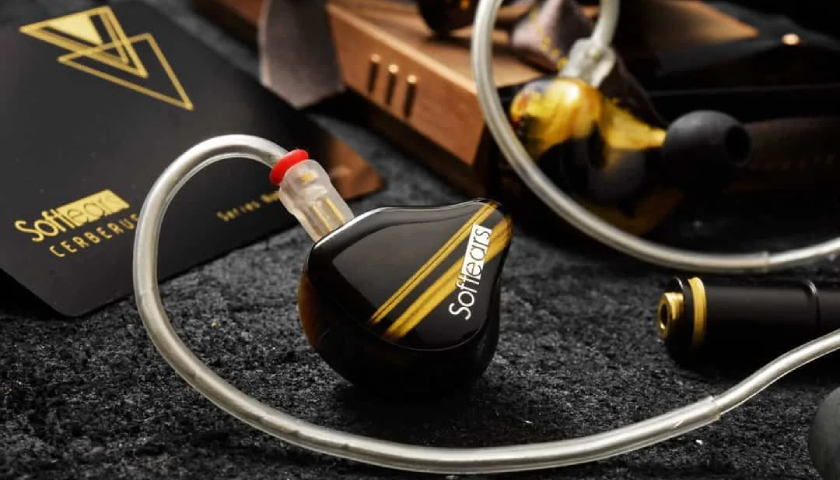
Cerberus gives each part of the music a dedicated foundation. Its 10 mm dynamic bass driver uses a paper dome reinforced with carbon fibre, supported by a flexible suspension that allows controlled diaphragm movement. The design combines a long linear excursion with responsive operation, helping low notes retain both depth and definition. Bass guitar lines, orchestral percussion and electronic rhythms benefit from a substantial low-frequency presence, while the dedicated crossover allows the midrange drivers to concentrate on voices and instruments.
Four Balanced Armatures for a Full Midrange
The midrange is handled by four balanced armature drivers developed to complement the dynamic bass unit and electrostatic tweeters. Integrated into a compact quad-driver assembly, they focus on the body, texture and articulation of the musical performance. This division of work supports a rich vocal presentation and helps preserve the character of acoustic instruments within layered recordings. Rather than relying on driver count alone, Cerberus uses its crossover and matched transducers to bring the different frequency regions together into a cohesive listening experience.
Dual Sonion Electrostatic Tweeters
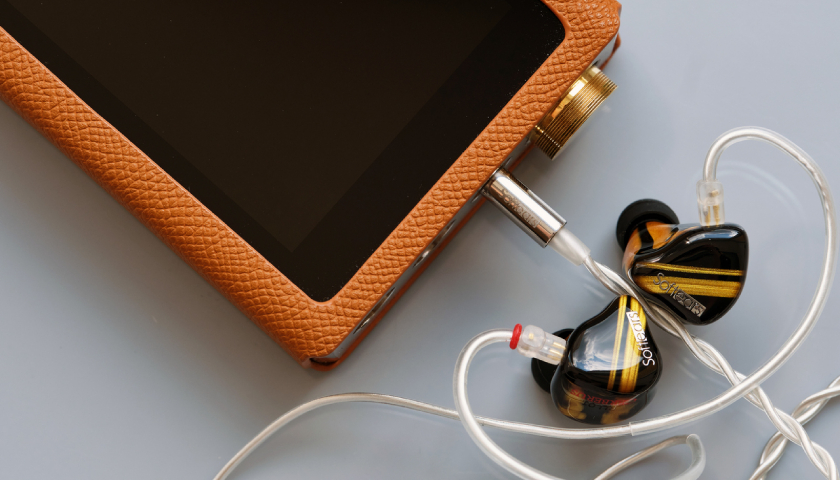
Two miniature Sonion electrostatic drivers reproduce the upper frequencies, adding fine detail to cymbal decay, string harmonics and the reverberation surrounding a performance. Their dedicated internal transformer raises the incoming signal voltage to the level required by the electrostatic elements. The system operates through the earphones’ conventional audio connection, so a separate electrostatic energiser is unnecessary.
The specified frequency range extends from 10 Hz to 80 kHz under the manufacturer’s free-field measurement conditions. The effective frequency response measured using an IEC 60318-4 ear simulator is 20 Hz–20 kHz. These figures describe different measurement methods, with the audible-range response providing the more relevant reference for everyday listening.
Passive Pressure Management and Hand-Finished Construction
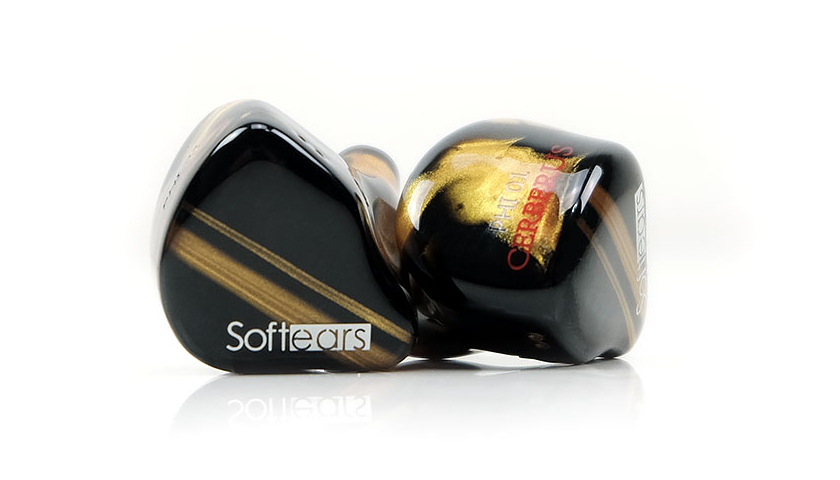
Alongside the seven active drivers, Cerberus incorporates a dedicated passive element. It responds mechanically to pressure changes within the acoustic system and is designed to help manage pressure, refine bass behaviour and improve listening comfort. This component is separate from the active driver count and does not require its own electrical signal.
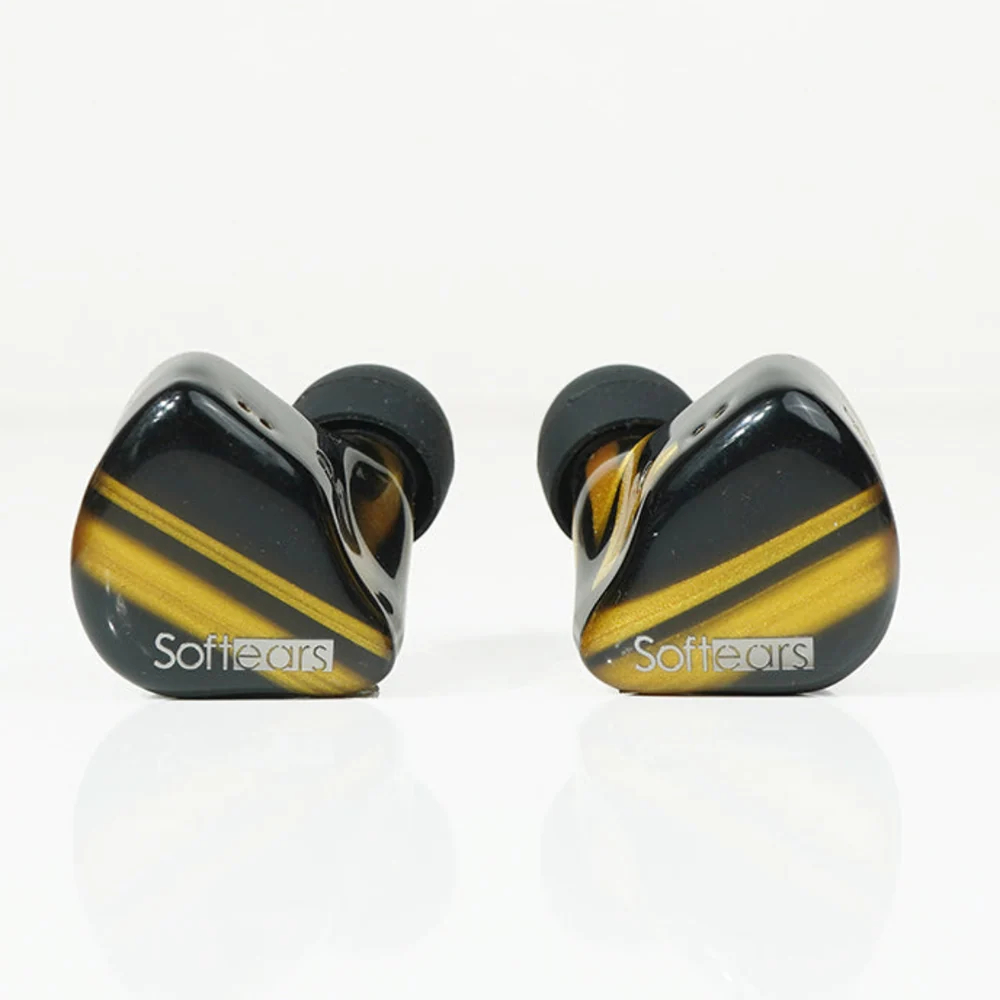
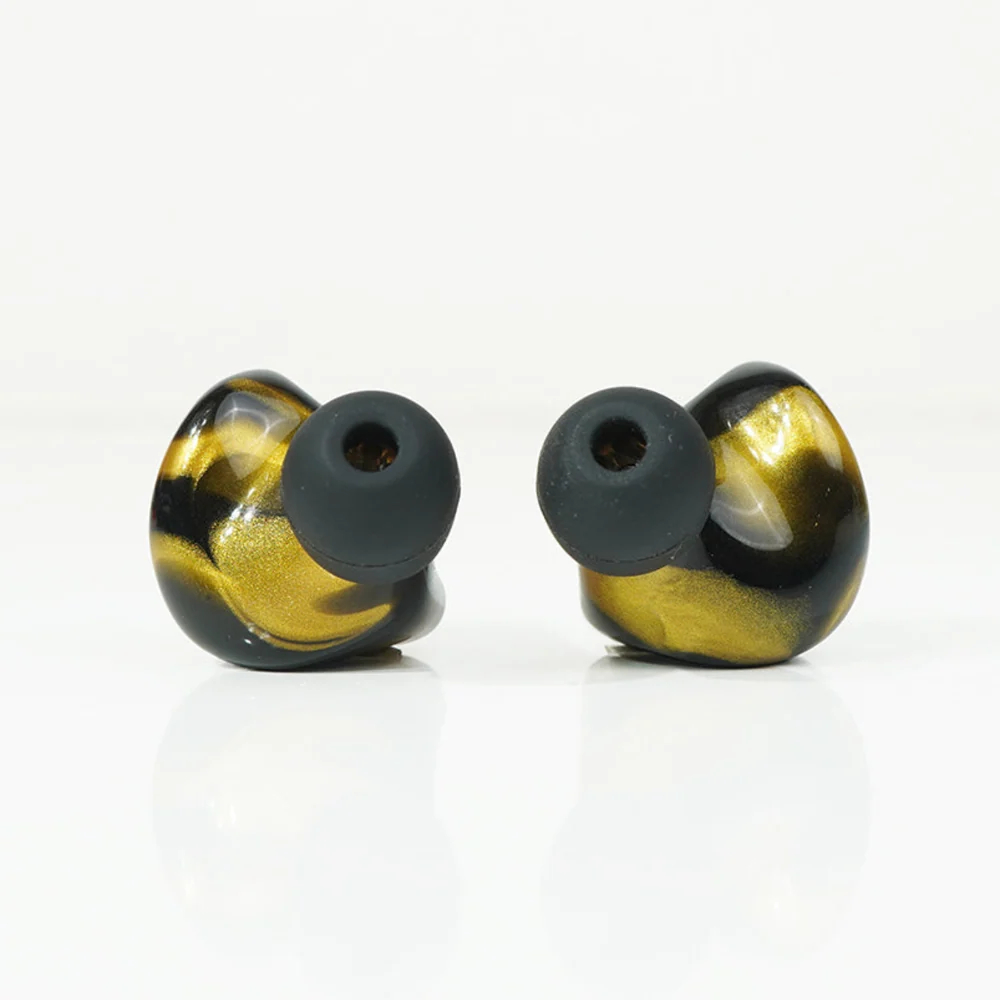
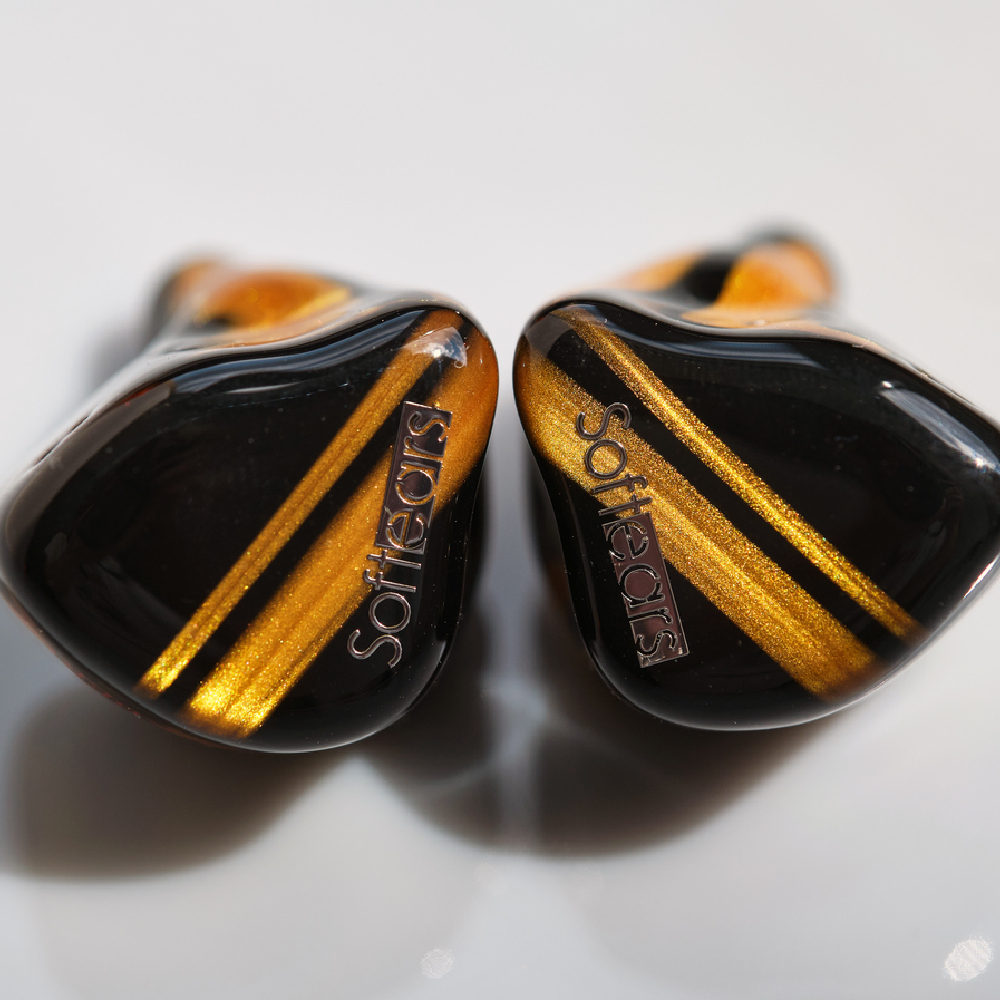
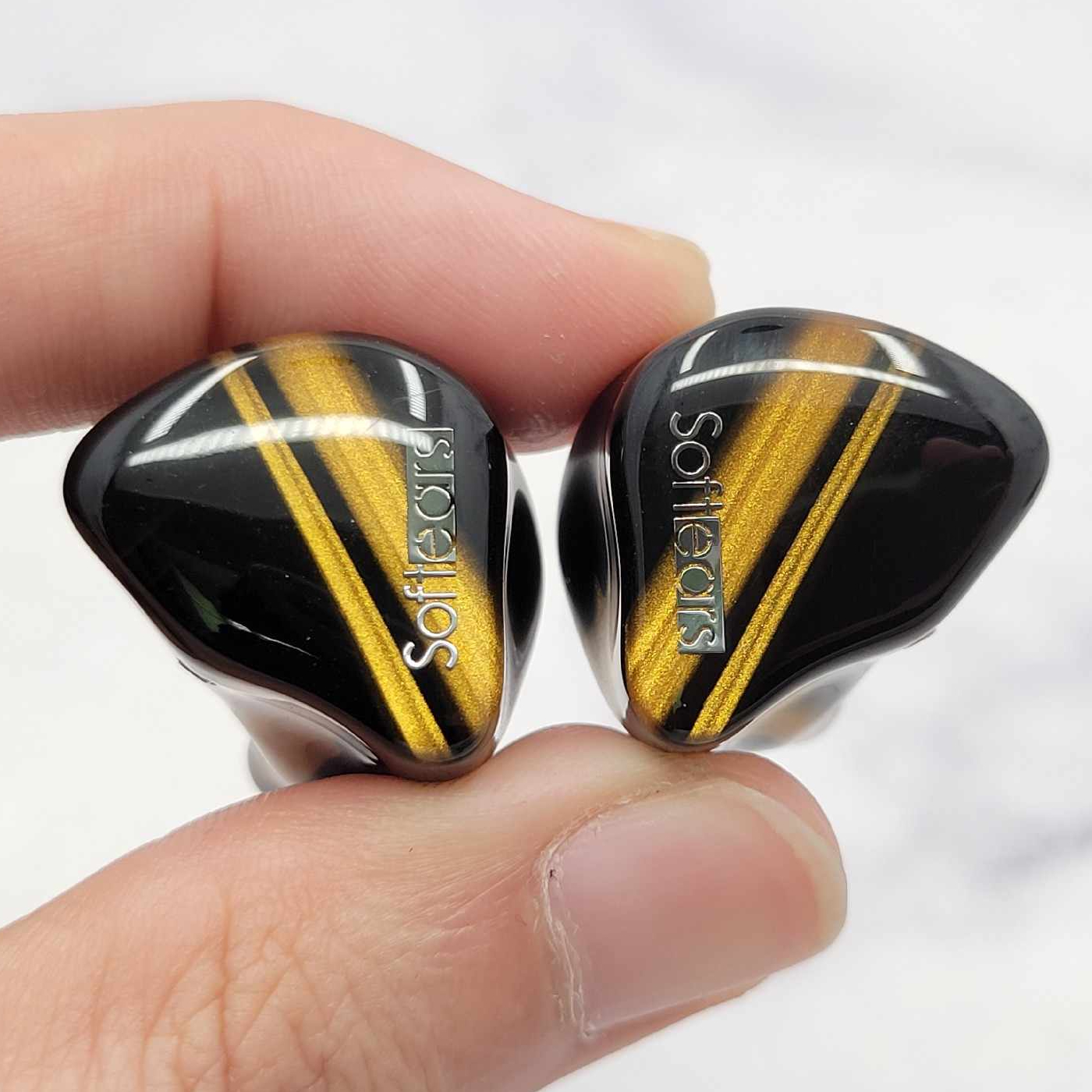
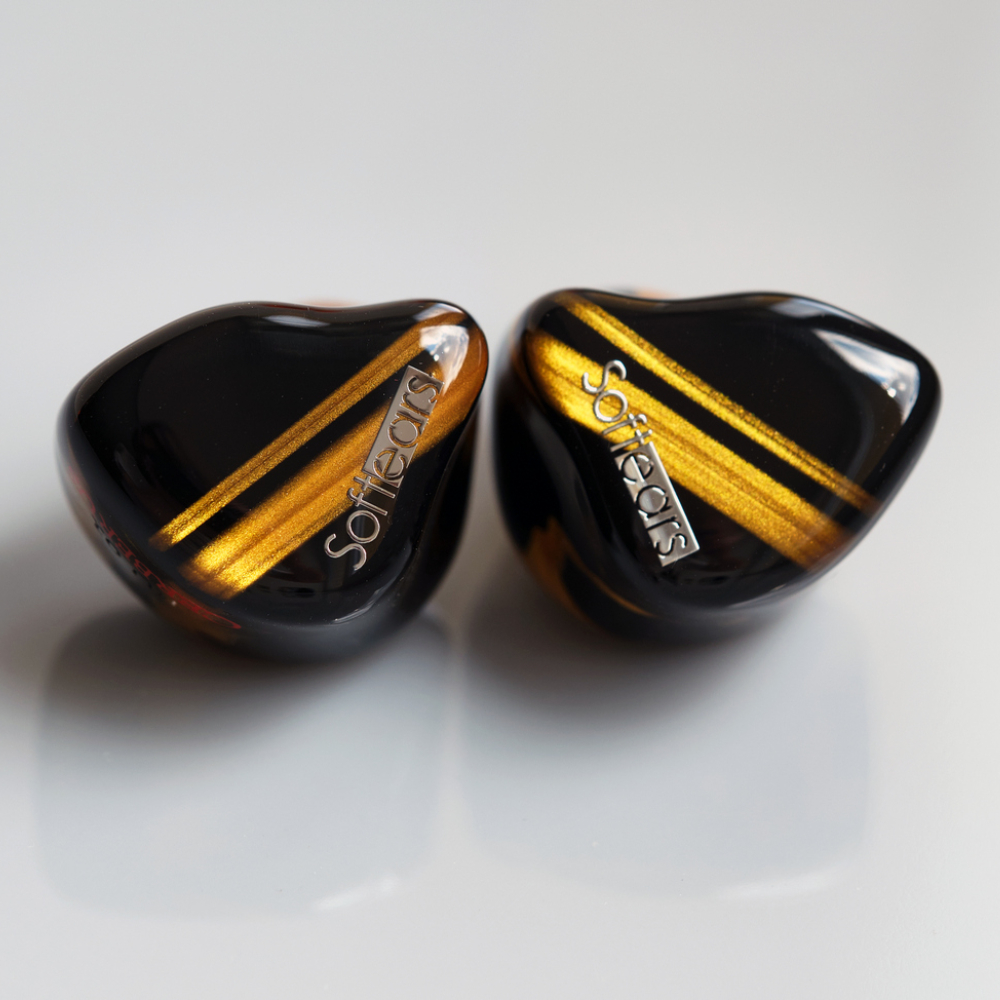
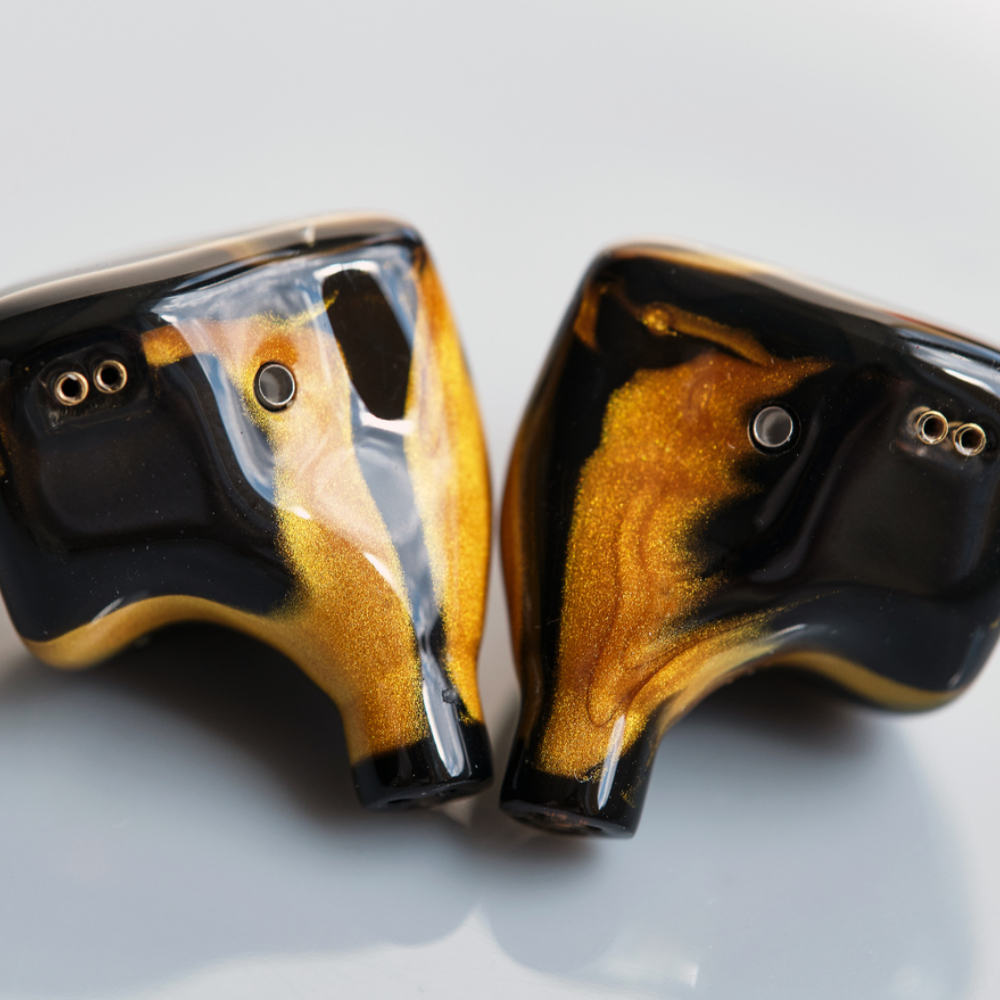
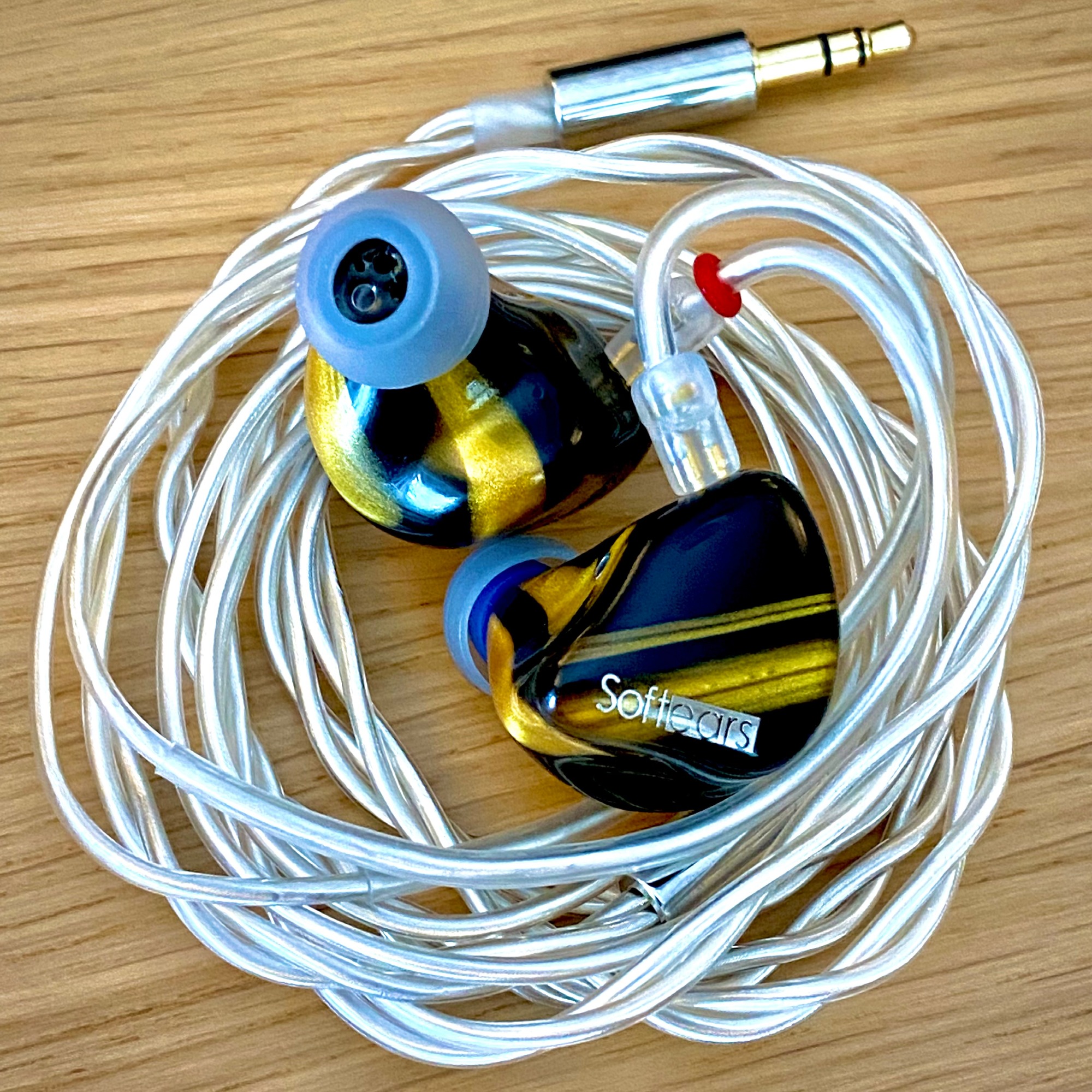
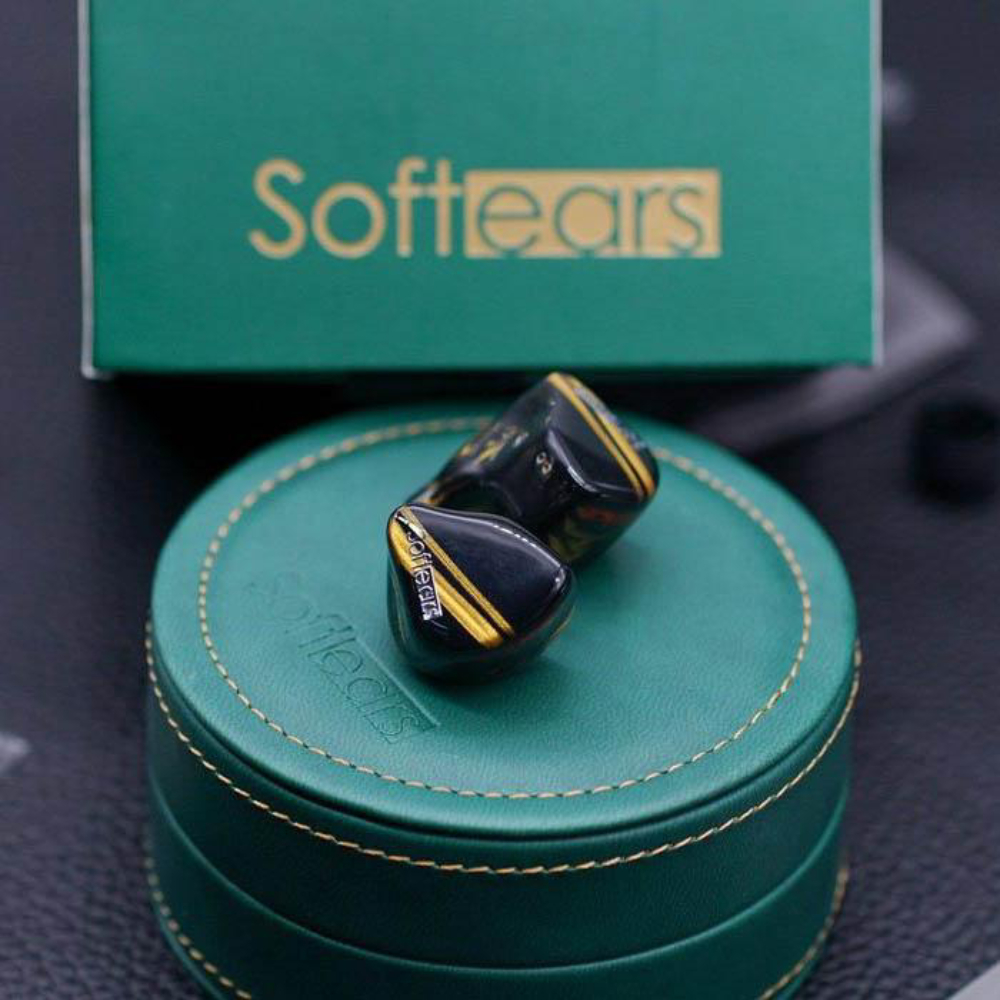
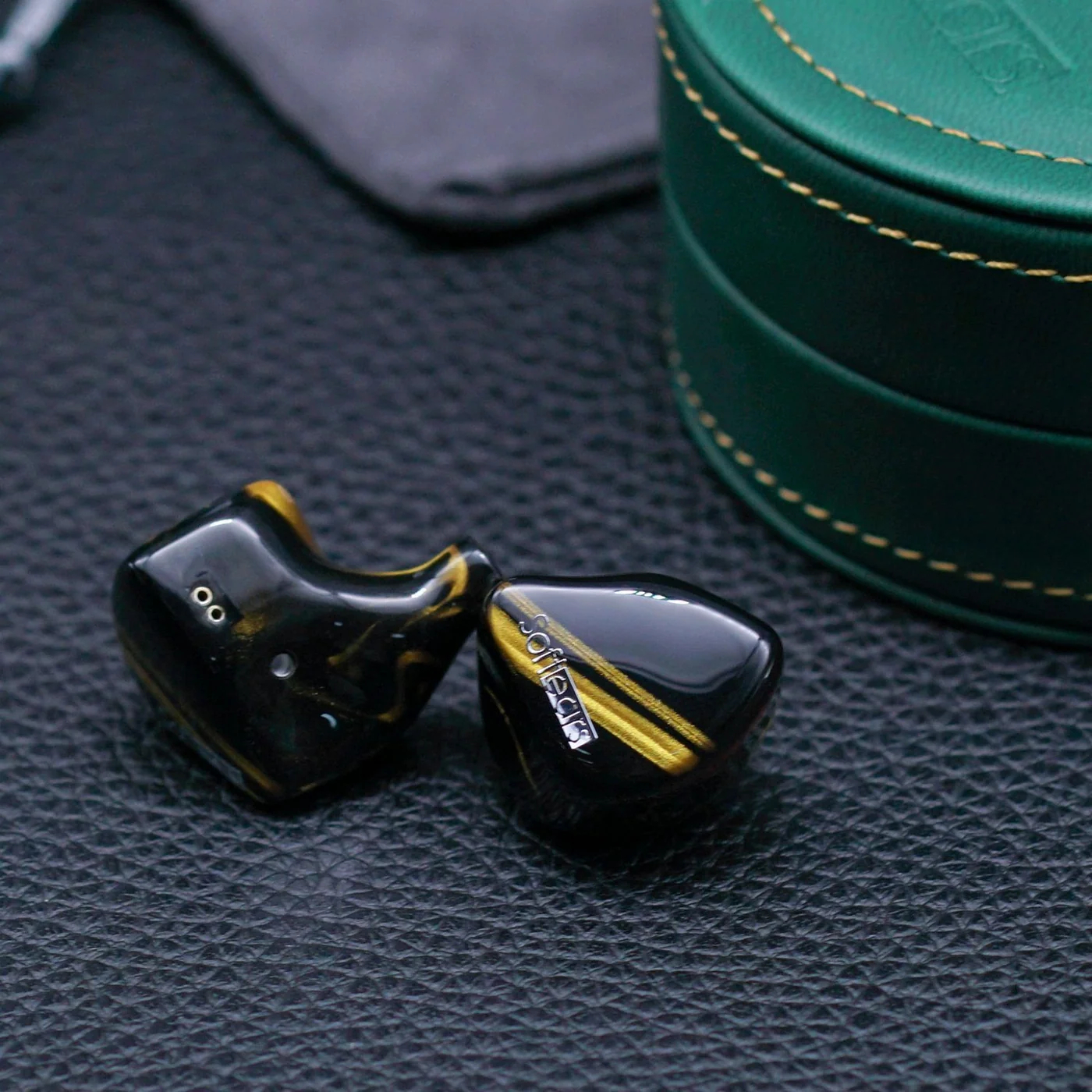
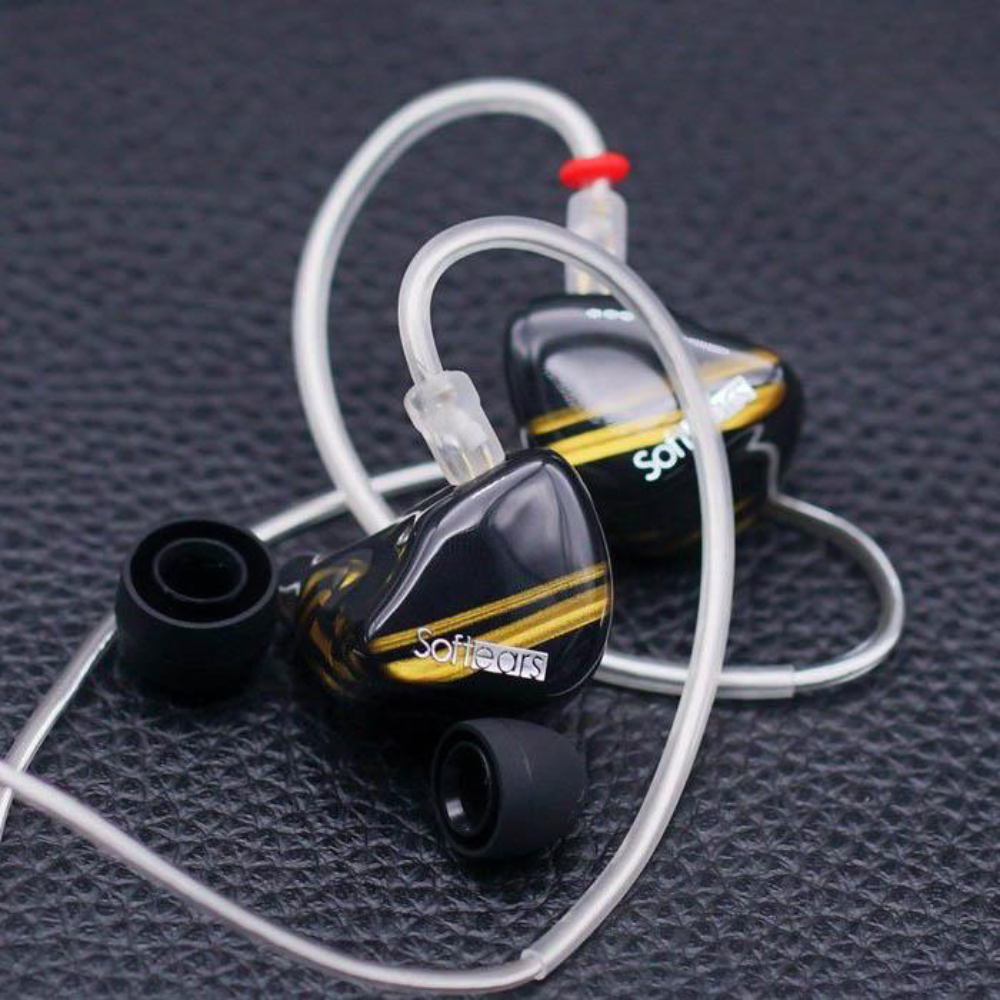
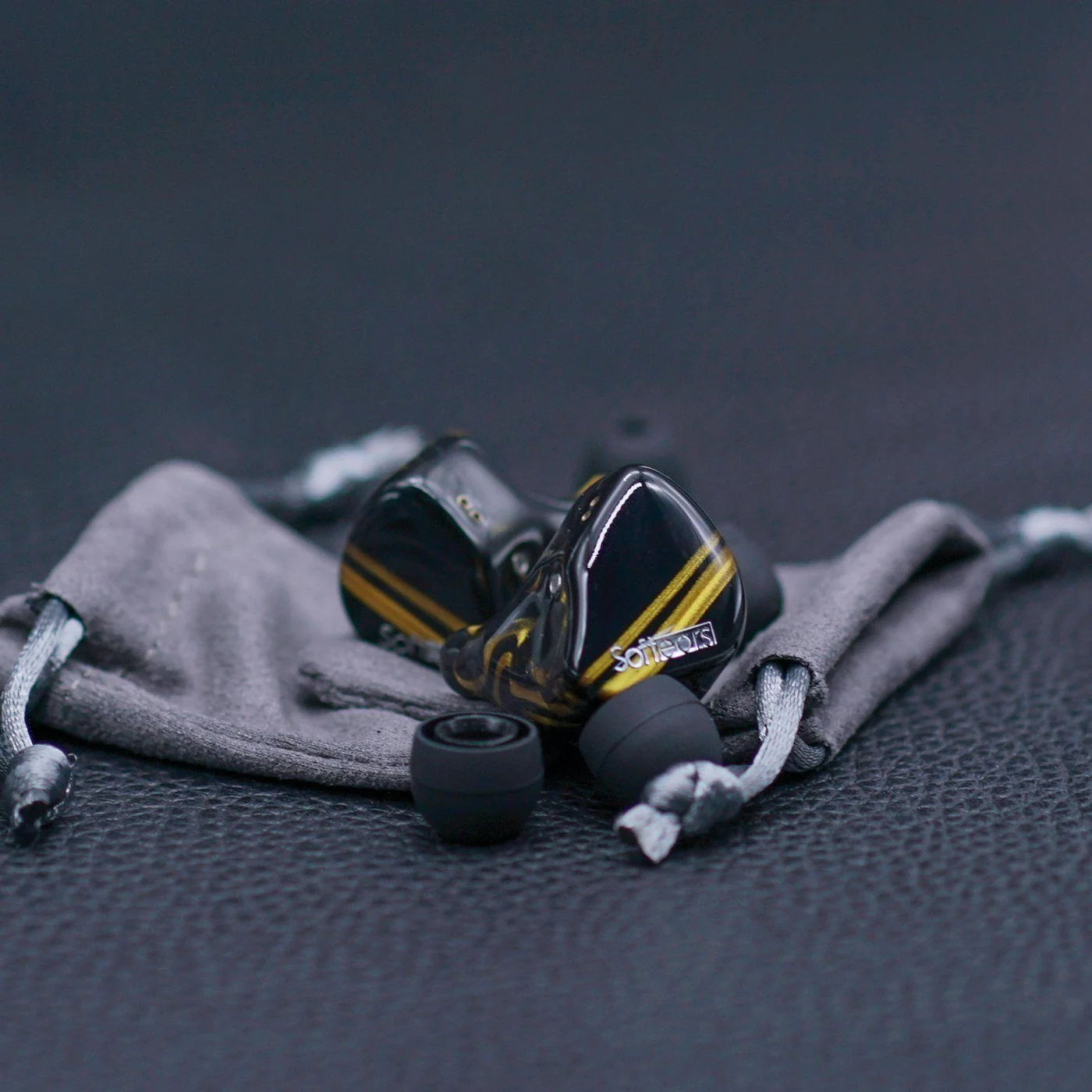
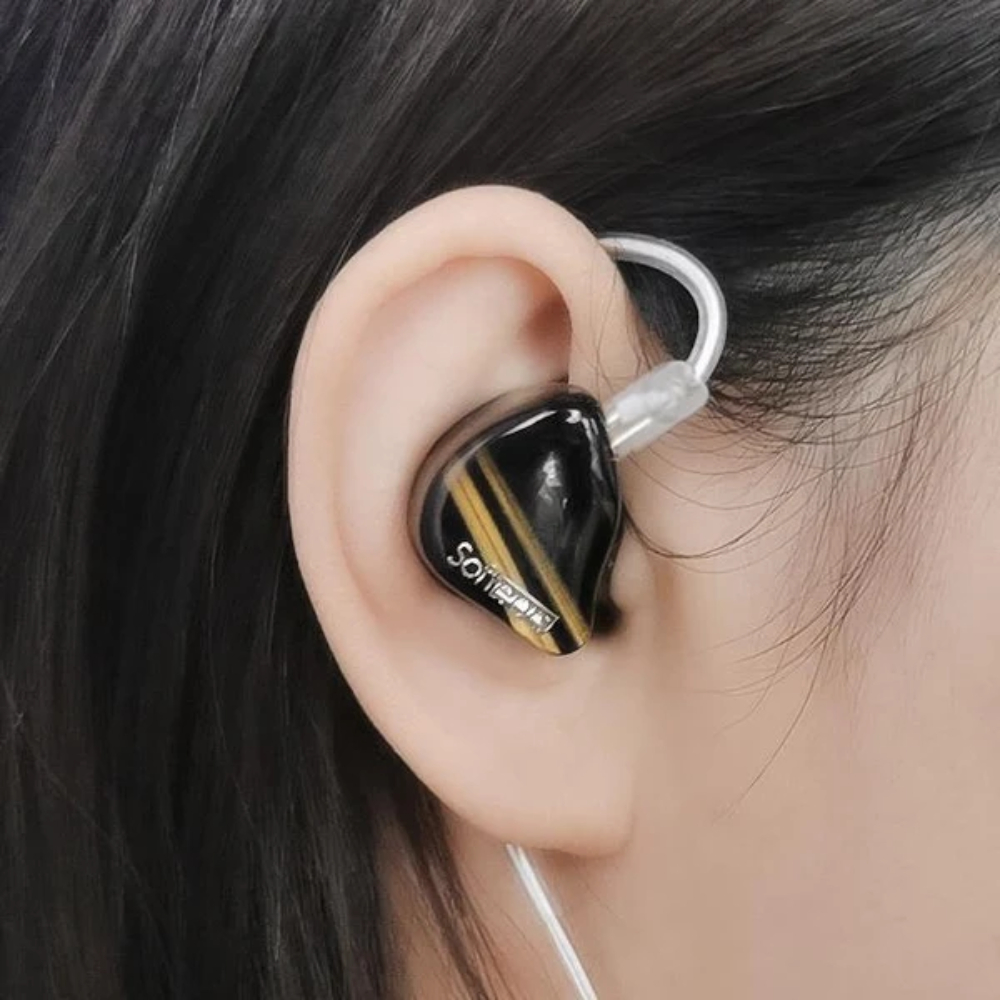
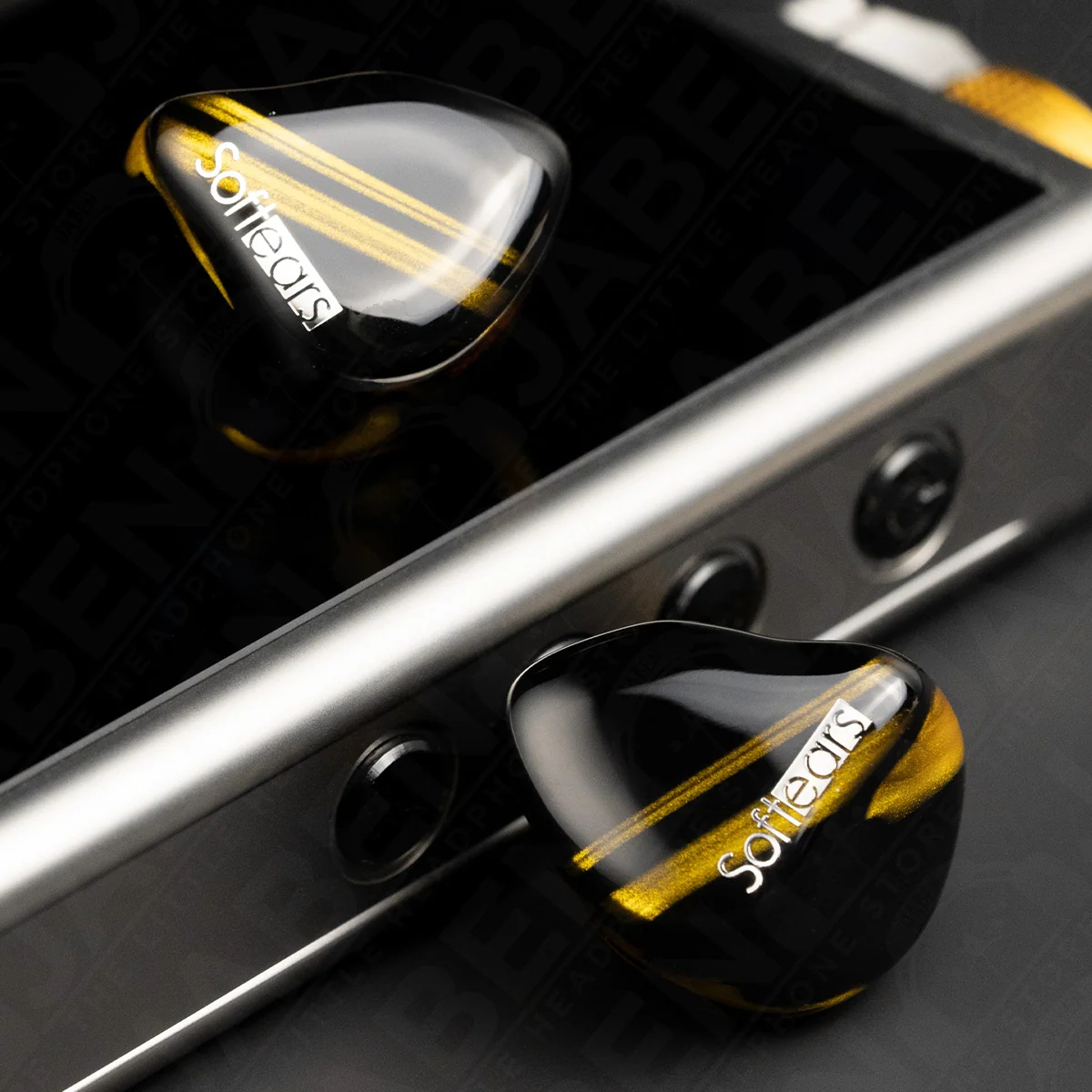
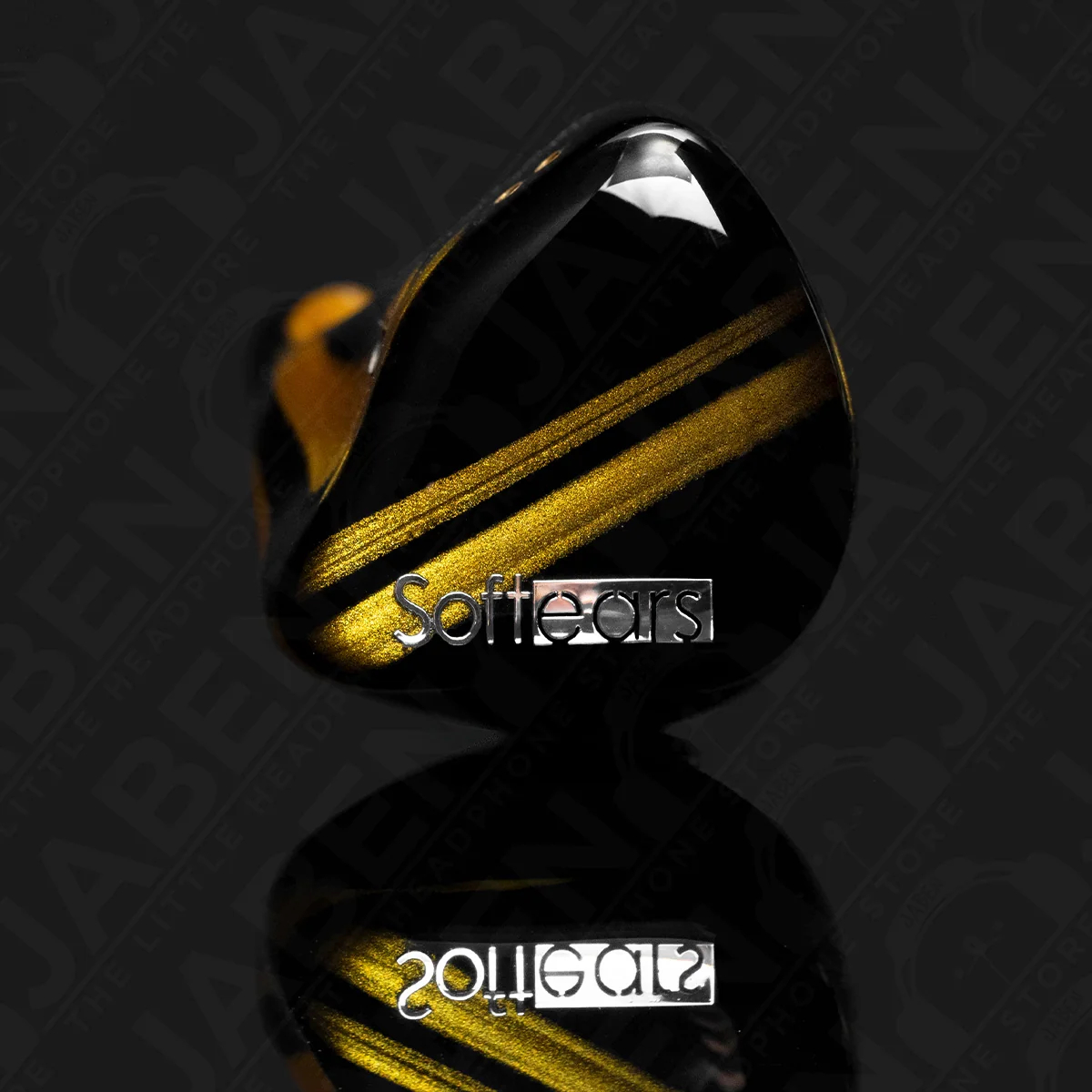
The housings draw on Softears’ experience in making custom in-ear monitors, with careful finishing and a contoured shape intended for an over-ear fit. Supplied silicone ear tips allow the seal to be adjusted to the listener. Softears also checks production stages from driver matching through to the completed earphones, aiming to maintain consistent acoustic performance between pairs.
Detachable Connectivity and Source Matching
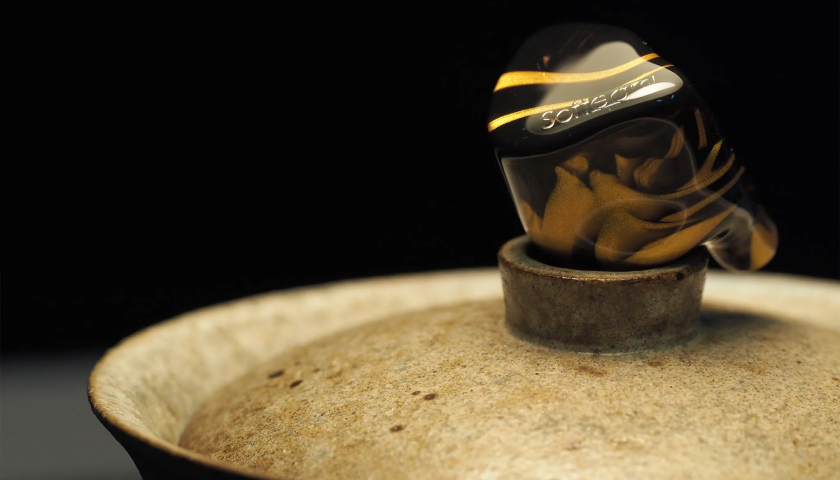
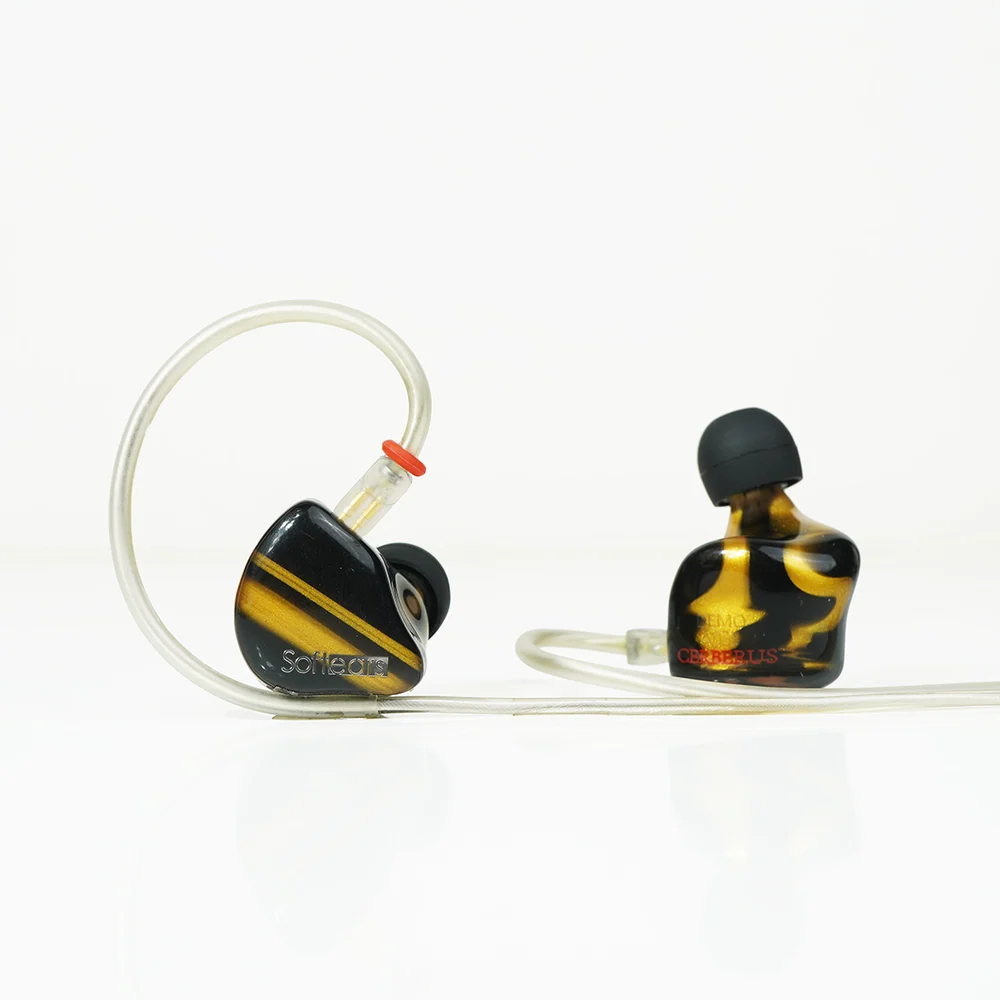
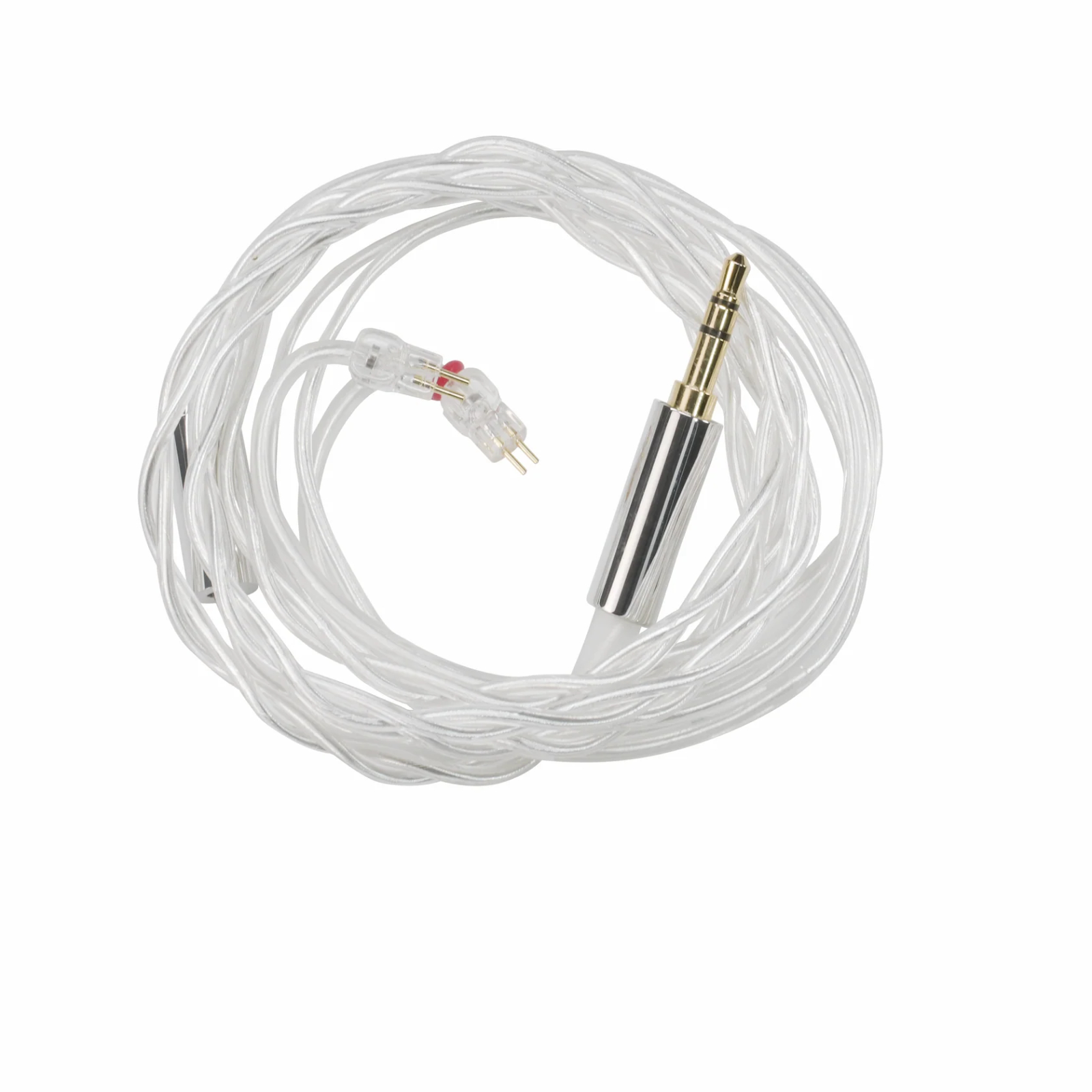
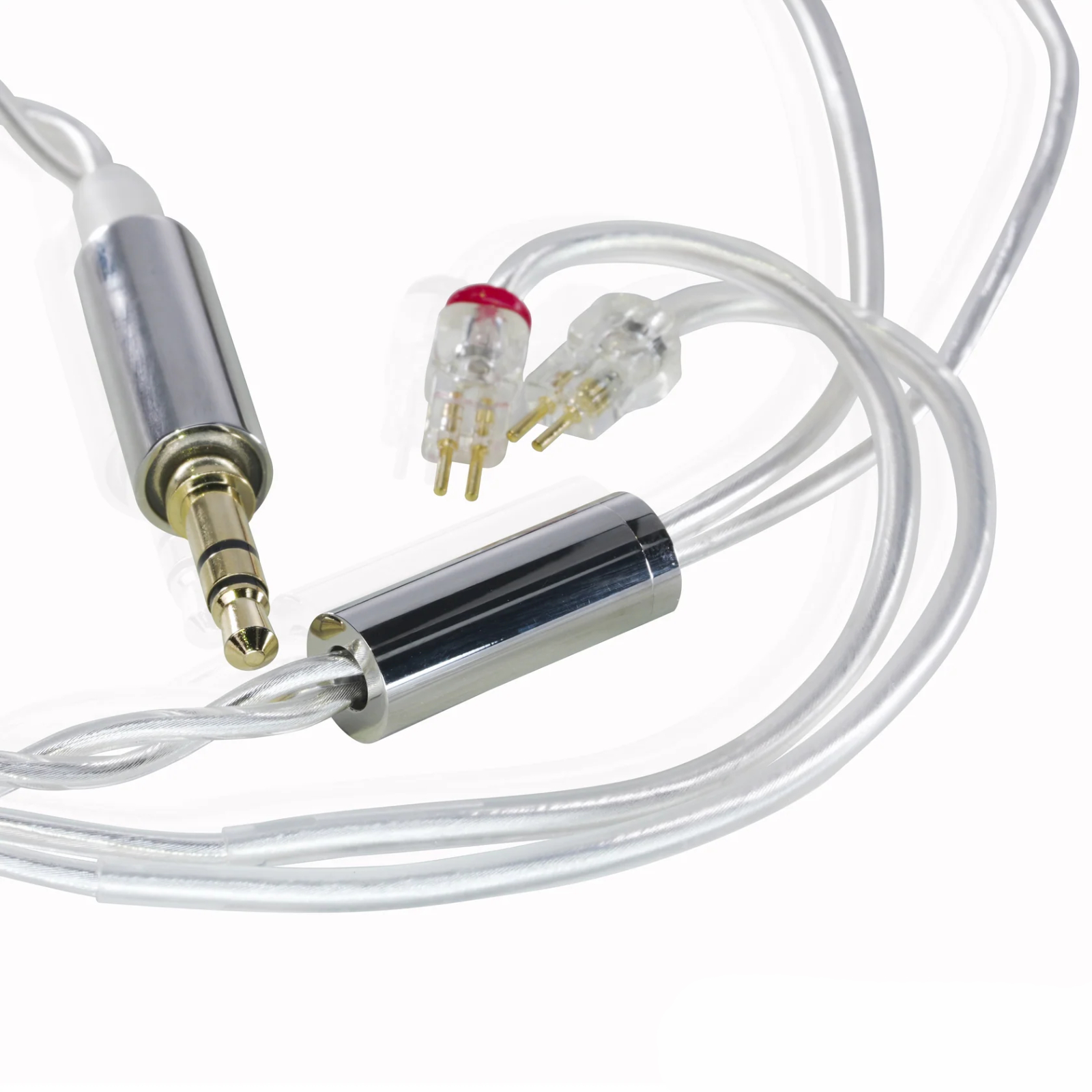
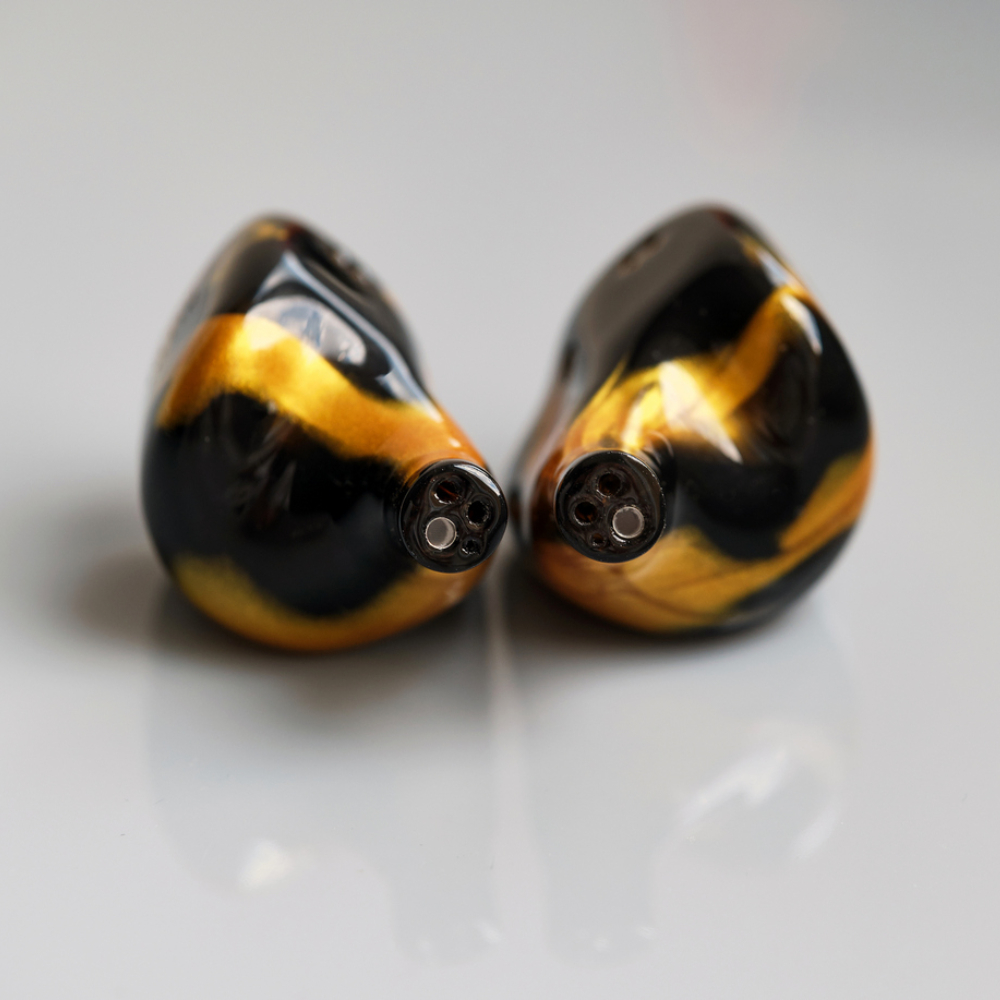
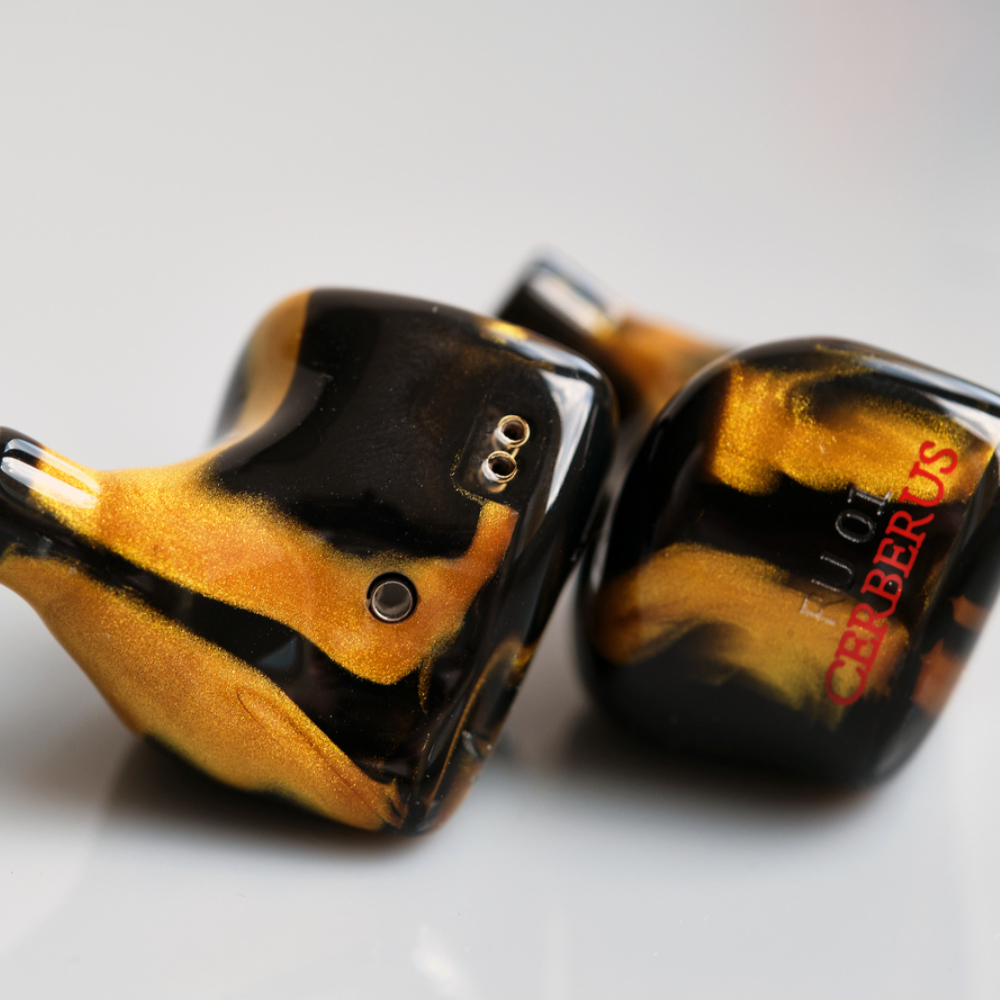
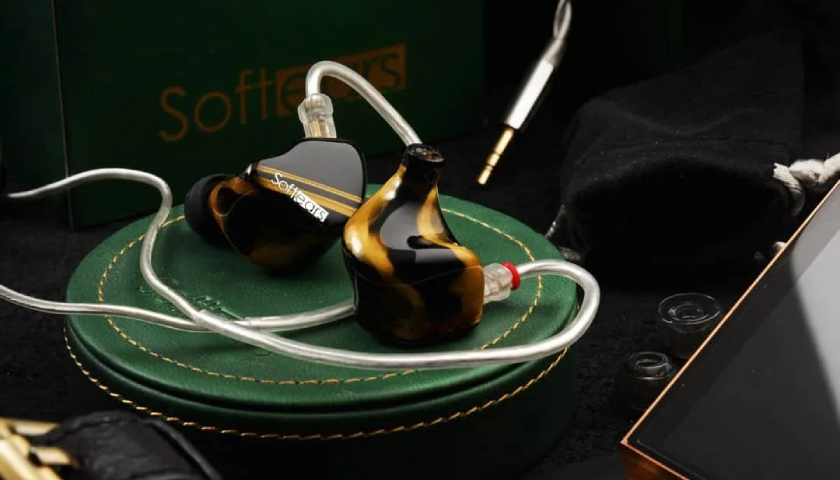
Standard 0.78 mm two-pin sockets make the cable replaceable and allow compatibility with suitable aftermarket IEM cables. The supplied analogue cable connects the earphones to a compatible headphone output, while the removable design makes maintenance straightforward without replacing the monitors themselves.
Cerberus has a nominal impedance of 5 ohms at 1 kHz and a sensitivity of 104 dB for a 100 mV input at the same frequency. Its low impedance makes source matching worth considering: a headphone output designed to handle low-impedance earphones is an appropriate partner. The manufacturer specifies total harmonic distortion and intermodulation distortion below 1%, supporting the design’s emphasis on clean reproduction.
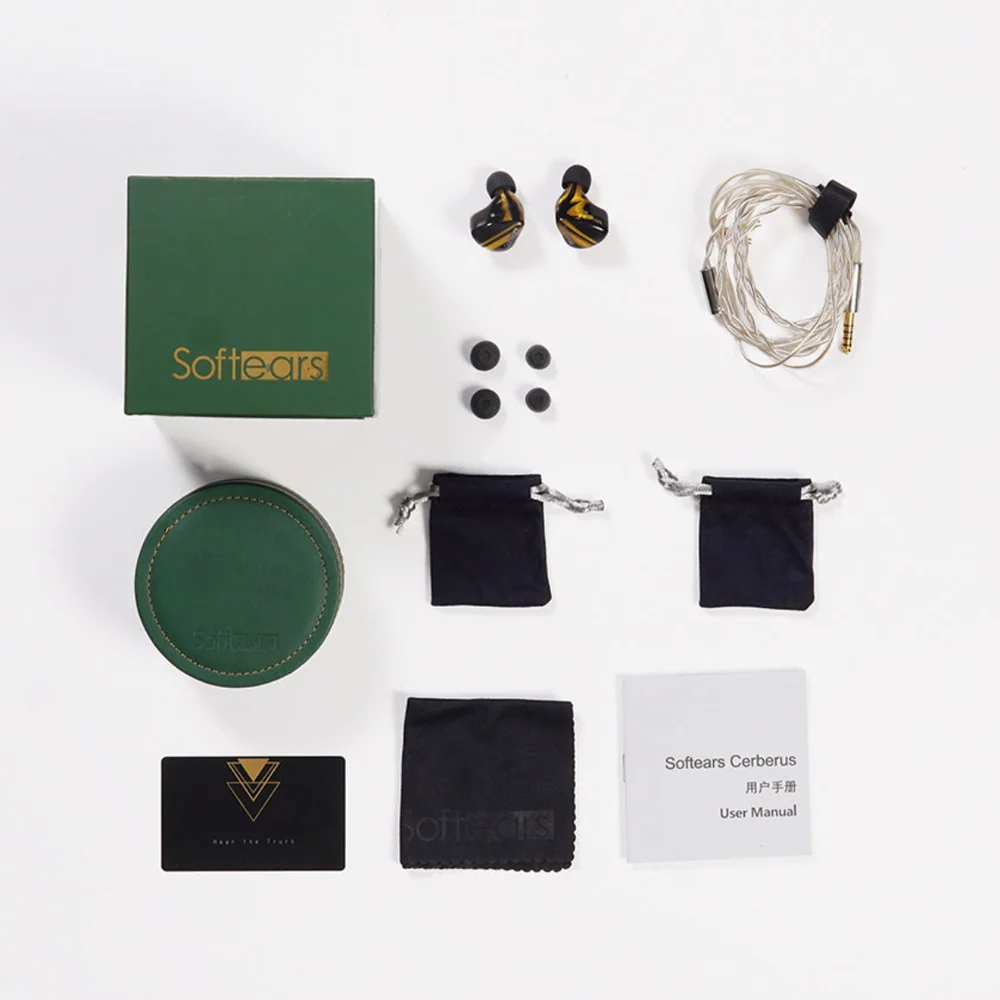
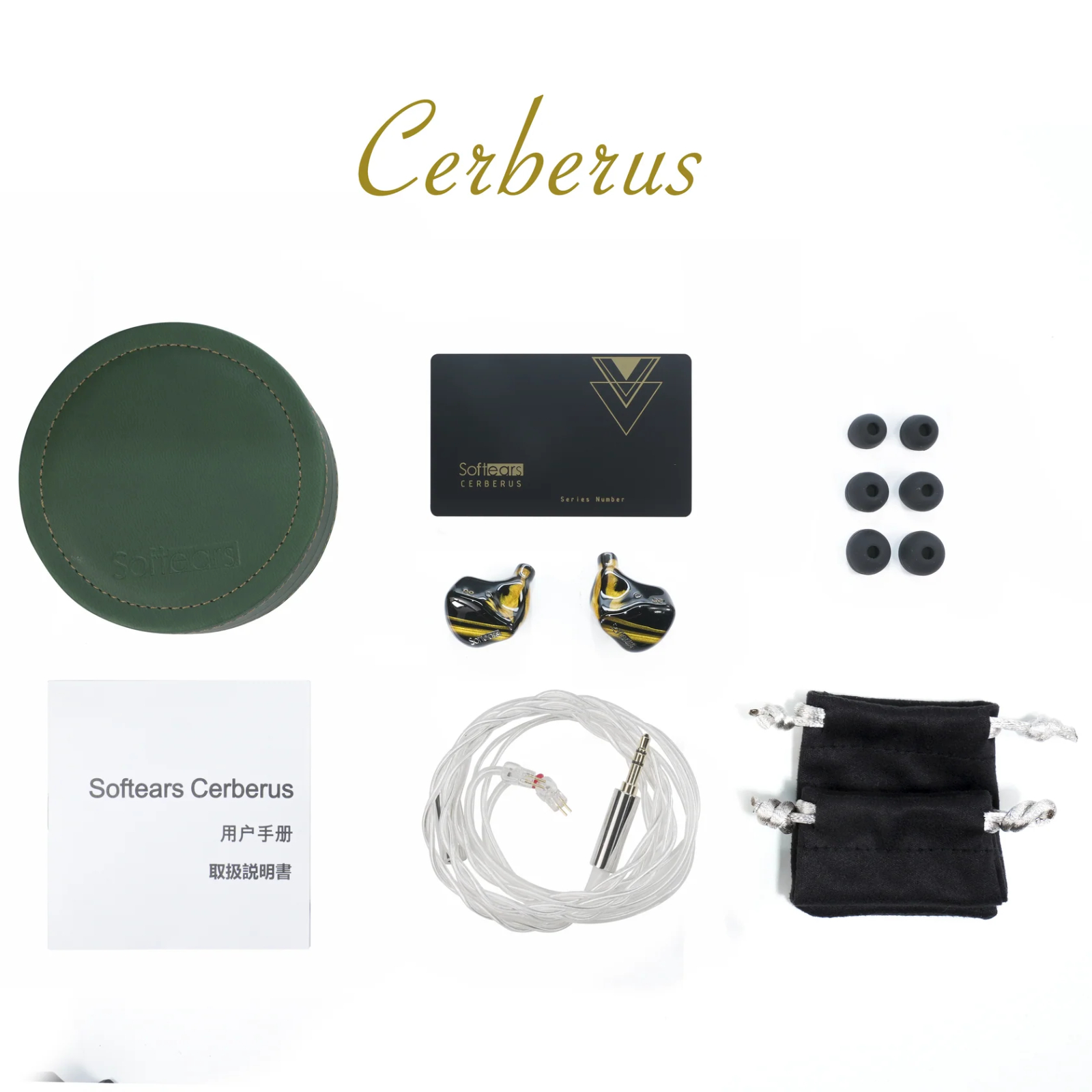
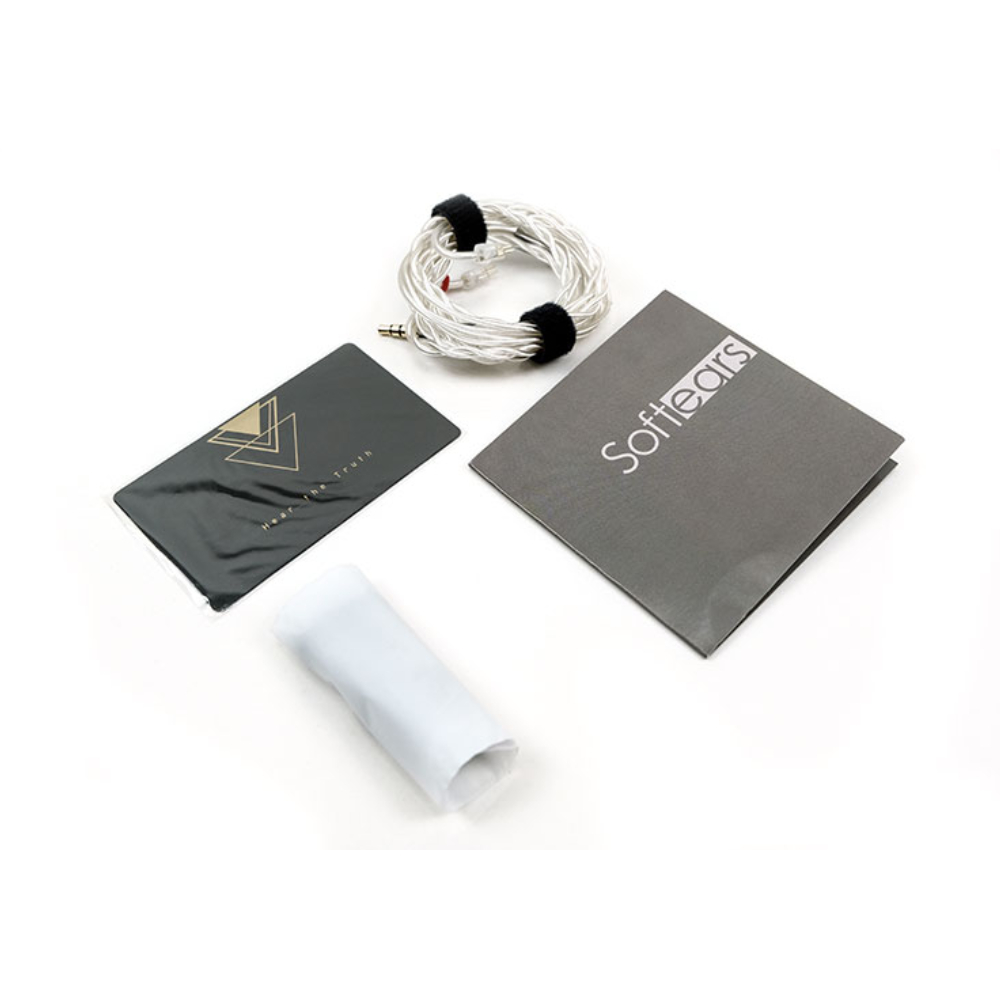
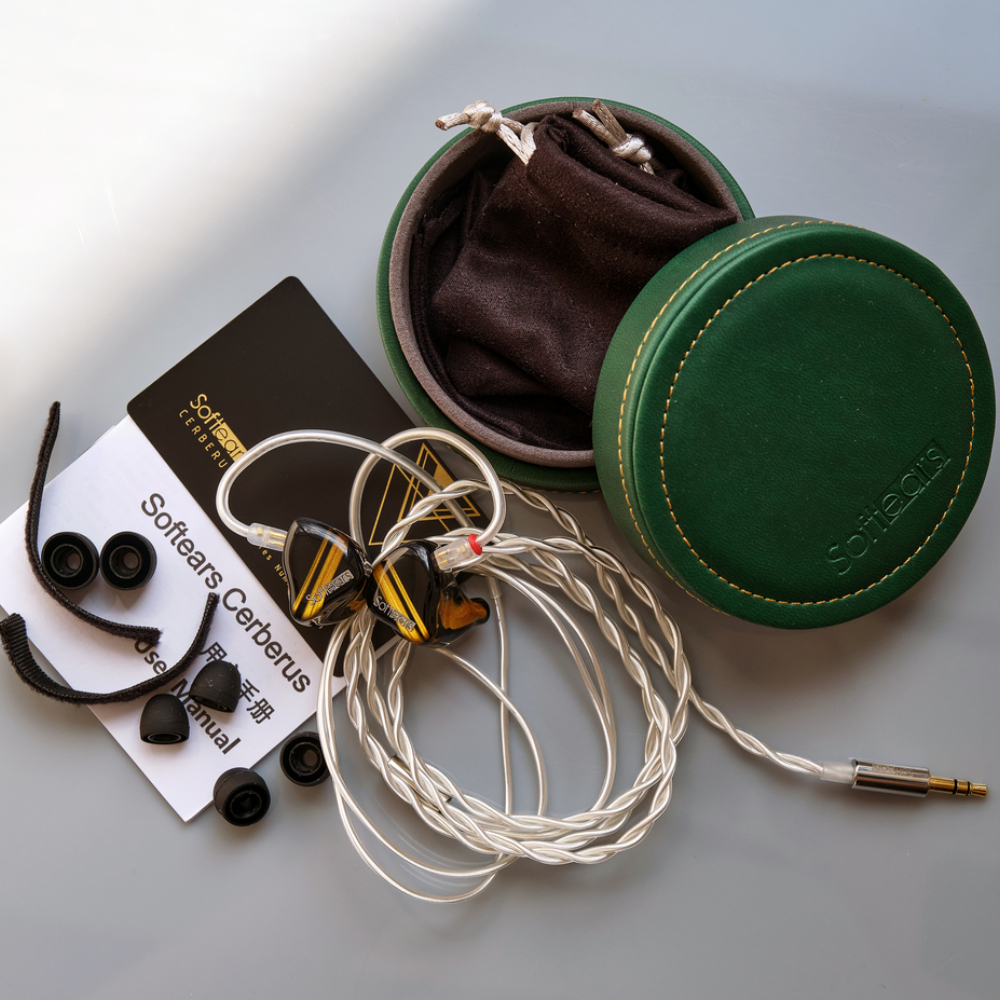
In the box:
- Softears Cerberus in-ear monitors,
- detachable audio cable,
- silicone ear tips,
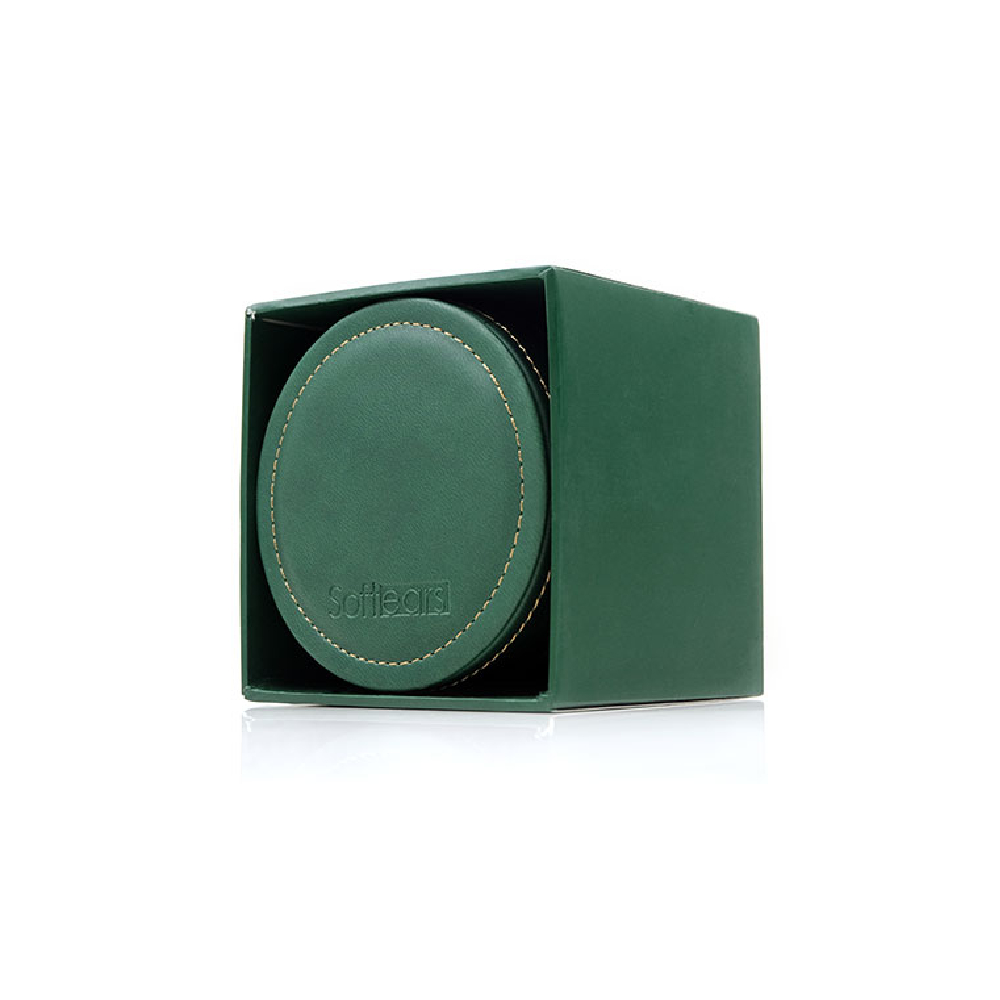
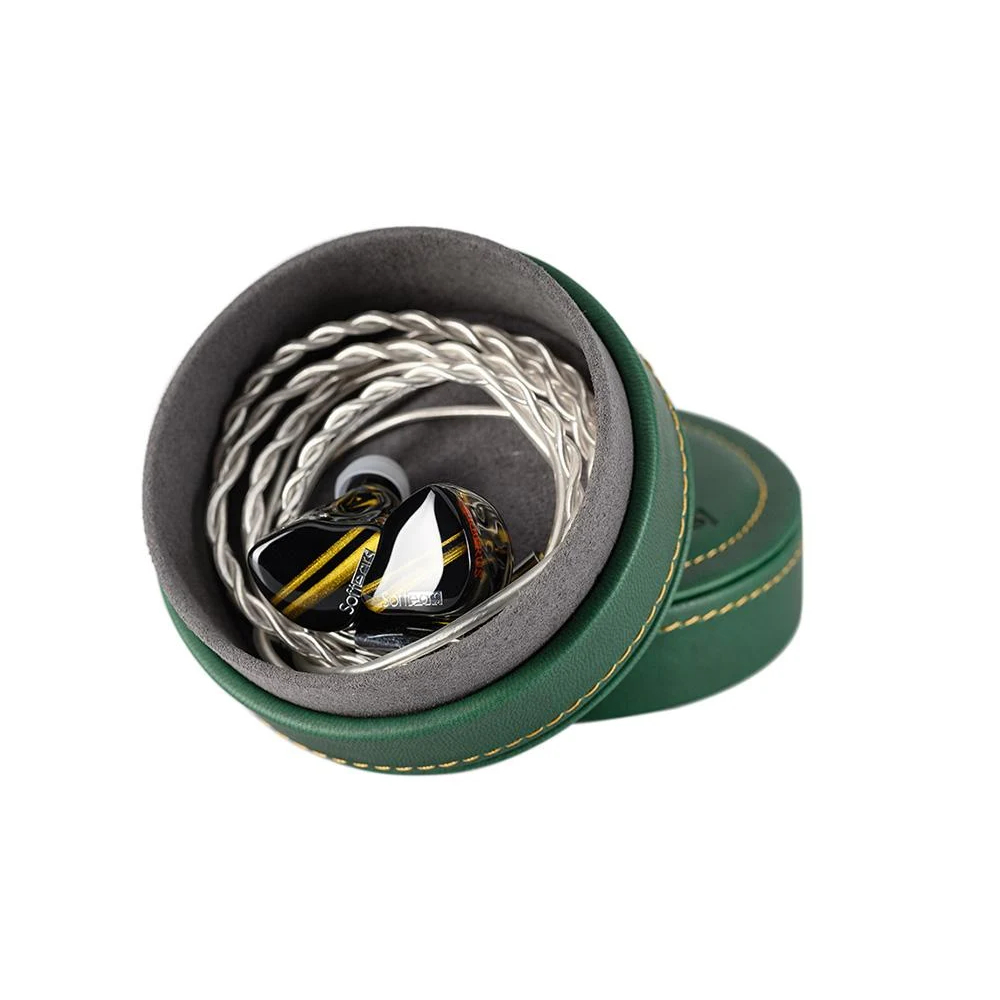
- carrying case,
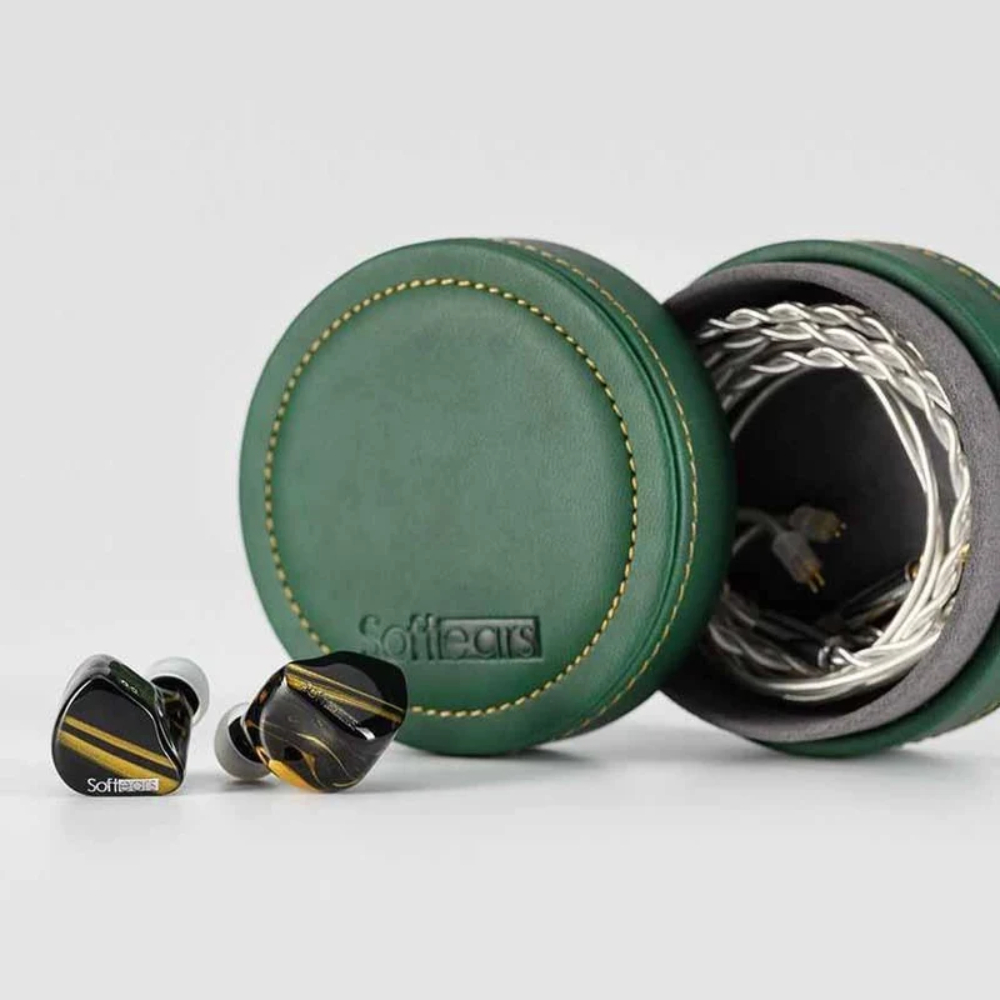
- user manual.