
& Personal Audio
& Hi-Fi Audio
& Pro Audio
Shop
Alphabetical Index
A
B
C
D
E
F
G
H
I
J
K
L
M
N
O
P
Q
R
S
T
U
V
W
X
Y
Z
Popular Brands











Microphones
385- Studio 123
- Vocal 105
- Instrument 70
- USB 48
- On-camera 15
- Lavalier 21
- For mobile 18
- Headset 18
- Shotgun 13
- Measurement 2
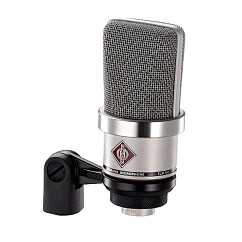
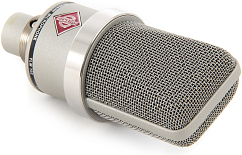
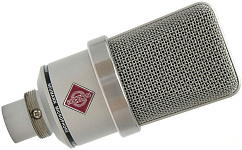
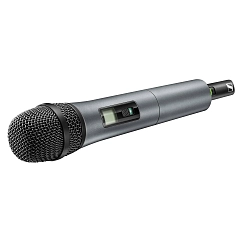
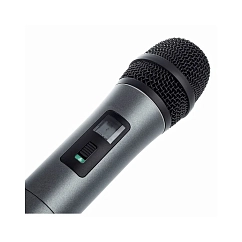
Diaphragm size: large diaphragm
Microphone polar pattern: cardioid
Microphone type: dynamic
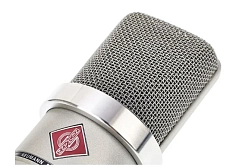
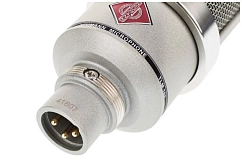
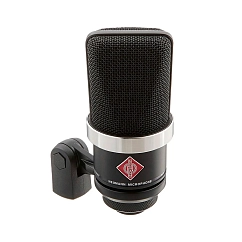
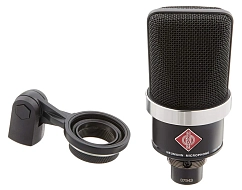
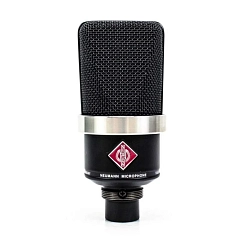
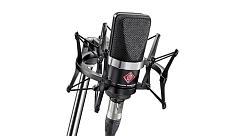
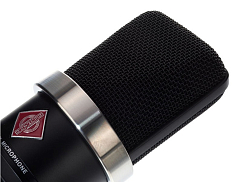
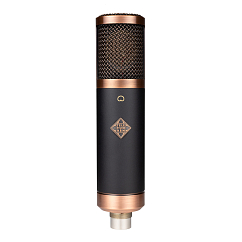
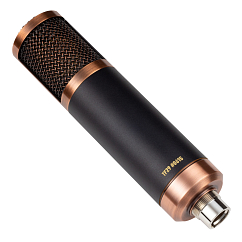
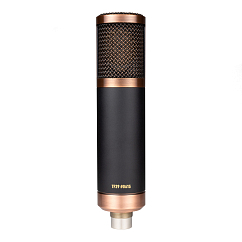
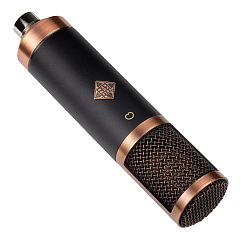
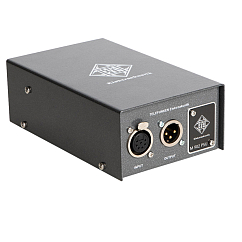
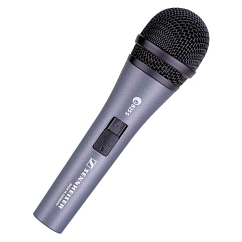
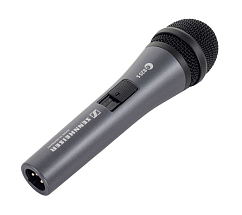
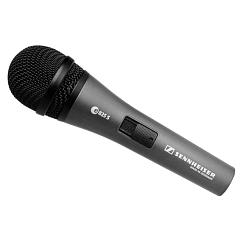


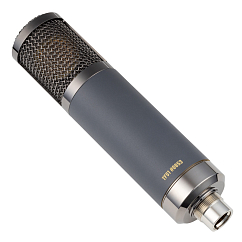

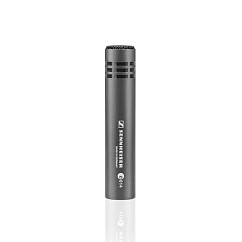
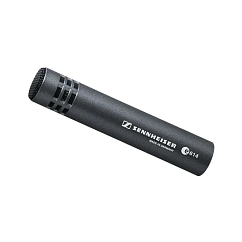
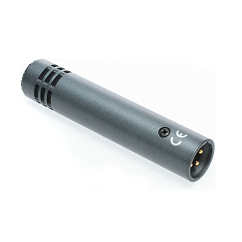
Brand: Sennheiser
Connectors: XLR
Free-field sensitivity without load (1 kHz), mV/Pa: 3








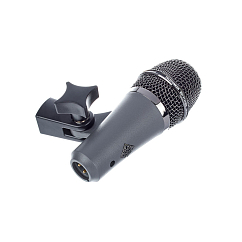
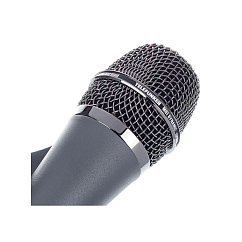
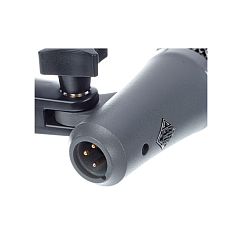
Capsule diameter, mm: 25
Audio signal format: mono
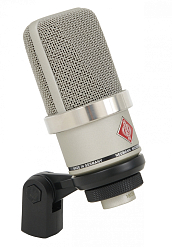
Brand: Telefunken
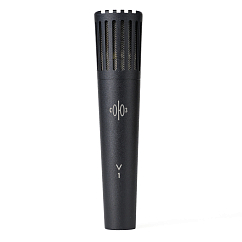
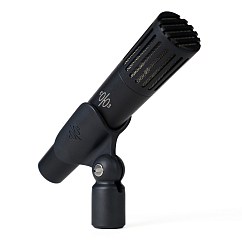


Diaphragm size: with a small membrane
Brand: Sennheiser
Capsule diameter, mm: 10.5
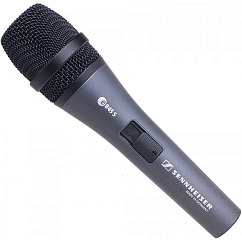
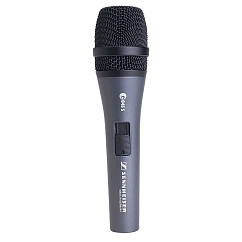





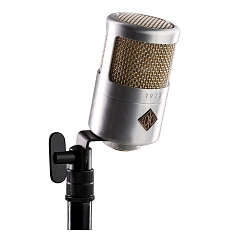
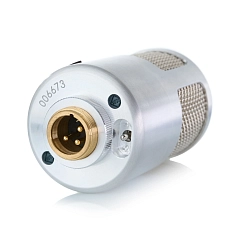
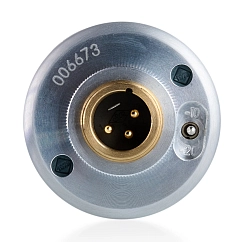
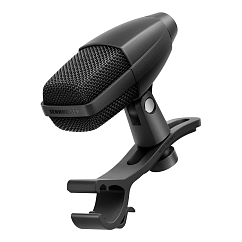



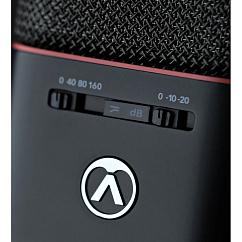

Audio signal format: mono
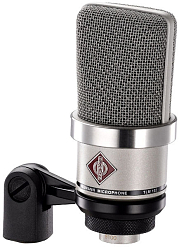
Brand: Austrian Audio
Capsule diameter, mm: 25.4
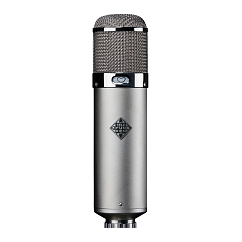
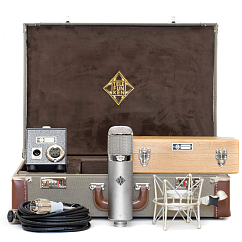

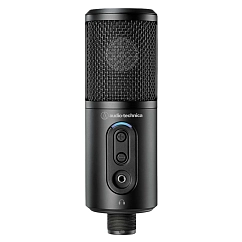


Brand: Audio-Technica
: 46
Connectors: 3.5mm jack, 6.35mm jack, USB-C


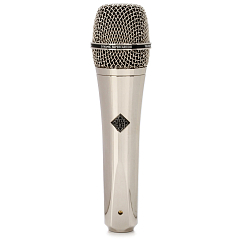

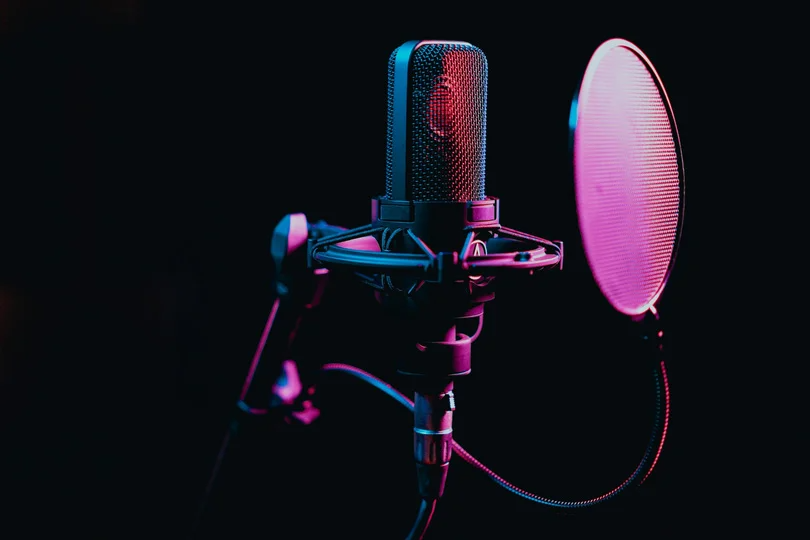
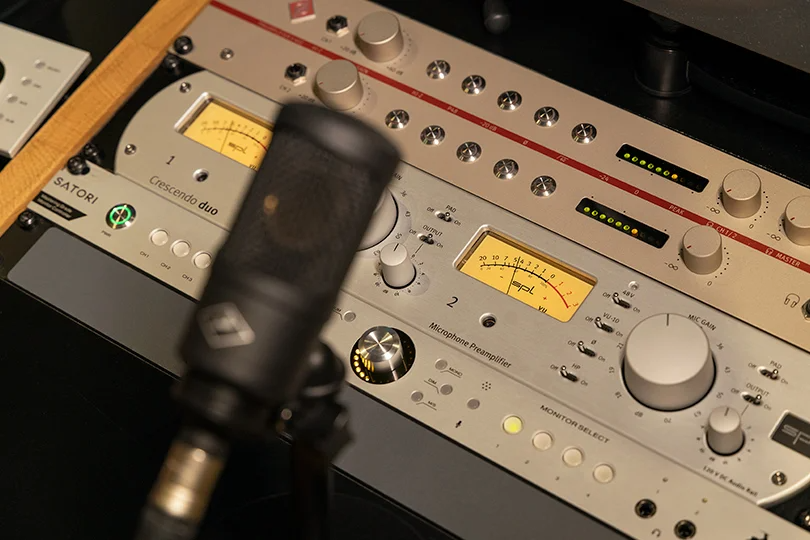

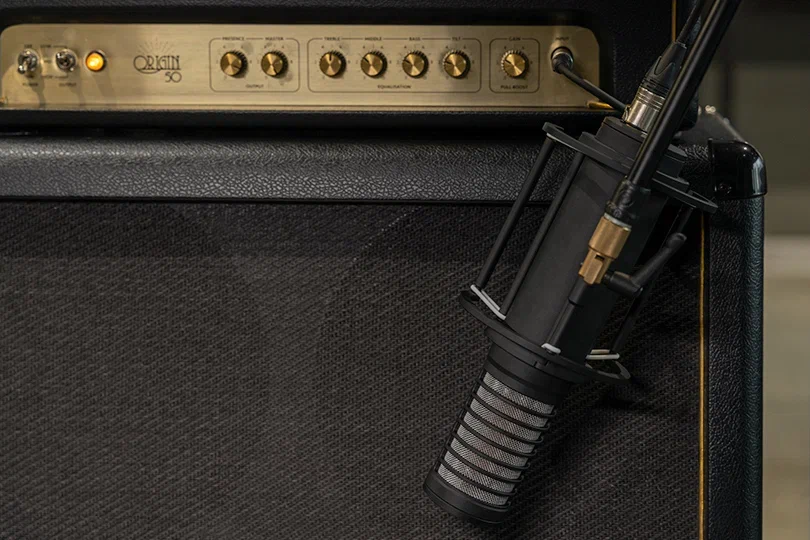





















A microphone is an essential tool for capturing sound, whether on a live stage or in a recording studio. From a legendary Shure dynamic microphone used for a powerful vocal performance to a sensitive condenser mic for a detailed instrument recording, the right choice of product is critical. The market offers a wide variety of models, each designed for a specific purpose.
Microphone Use Cases
The first step in selecting a microphone is to define its primary task. Different scenarios require different technologies to achieve the best sound.
- For Vocal Recording: In a studio environment, a large-diaphragm condenser mic is the top choice. It captures the subtle nuances and full frequency range of the human voice with exceptional detail. For live stage performances, a dynamic vocal microphone is the industry standard. Models like the Shure SM58 are renowned for their ability to reject background noise and handle high sound pressure levels without distortion.
- For Instruments: The choice depends on the source. A dynamic instrument mic is ideal for loud, high-energy sources like guitar amplifiers, snare drums, and brass instruments. For capturing the detailed transients of acoustic guitars, piano, or as overheads for a drum kit, a sensitive condenser microphone is generally preferred.
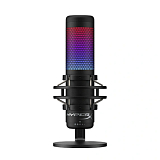
- For Streaming & Podcasting: This category often values clarity and ease of use. High-quality USB condenser microphones are very popular as they offer studio-level sound with a simple plug-and-play connection to a computer, bypassing the need for an external audio interface.
- For Video & Presentations: When a microphone needs to be discreet, a lavalier mic is the solution. These small, clip-on microphones are ideal for interviews, vlogging, and public speaking, ensuring a clear voice pickup without being visually intrusive.
Microphone Types
The most fundamental choice is the microphone's transducer type. This determines how the mic converts sound waves into an electrical signal and defines its core characteristics.
- Dynamic Microphone: Known for its durability and ability to handle high sound pressure levels (SPL), making it a workhorse for live vocal performances and loud sources like guitar amps and drums. Models like the iconic Shure SM58 are industry standards for their reliability.
- Condenser Microphone: More sensitive and detailed than a dynamic one, a condenser mic excels at capturing the nuances of a performance, making it the preferred choice for studio vocal recordings and acoustic instruments. It requires external power (phantom power) to operate.
- Ribbon Microphone: A classic type of microphone known for its warm, vintage sound. Ribbon mics are often bidirectional and are prized for their natural reproduction of vocals and instruments like electric guitars and brass.
- Electret Microphone: A type of condenser mic that uses a permanently charged material, meaning it doesn't always require external phantom power. This makes them common in small devices, lavalier mics, and measurement instruments.
Polar Pattern: Where the Microphone Listens
The polar pattern describes a microphone's directional sensitivity. This is a critical parameter for isolating a sound source and rejecting unwanted background noise.
- Cardioid: The most common pattern. A cardioid mic is most sensitive to sound from the front and rejects sound from the rear, making it perfect for on-stage vocals to reduce feedback from monitor speakers.
- Supercardioid & Hypercardioid: These are even more directional than cardioid, offering greater rejection of ambient noise from the sides. This is ideal for very loud stages where maximum isolation is needed. The Shure Beta series, for example, often features a supercardioid pattern.
- Bidirectional: This pattern captures sound equally from the front and the back of the mic, while rejecting sound from the sides. It's ideal for recording two vocalists facing each other or for advanced stereo recording techniques.
- Circle (Omnidirectional): An omnidirectional mic captures sound equally from all directions. It's often used for recording a group of singers, a roundtable discussion, or for capturing the natural ambiance of a room.
Connectivity
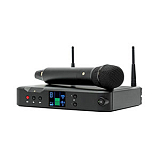
Connectivity is another key factor. While traditional studio microphones use XLR connectors, many modern models offer USB connectivity for direct connection to a computer. There are also wireless systems that provide freedom of movement on stage.
The choice of a vocal microphone, instrument mic, or a specialized drum microphone kit depends on the specific needs of the recording. A complete microphone system might include several different types of microphones. For a dual-channel wireless microphone system, for example, two separate microphones can be used simultaneously.
The right microphone is a crucial investment for any musician, producer, or audio professional. By understanding the core differences between a dynamic and a condenser mic, and by choosing the correct cardioid or supercardioid polar pattern, it is possible to dramatically improve the quality of any recording or live performance.

By using our website, you agree to our use of cookies.