



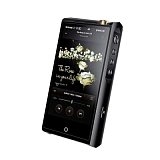













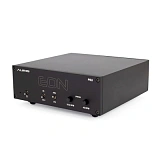


















RD160, the first "stand-alone" Hi-Fi ROSE DAC, like all products of the Korean company, combines a unique original design, unique engineering solutions, and a huge range of user conveniences and settings. This is a rarity in today's digital audio equipment market, where trends of copying and appropriating others' findings are overly active.
Features:
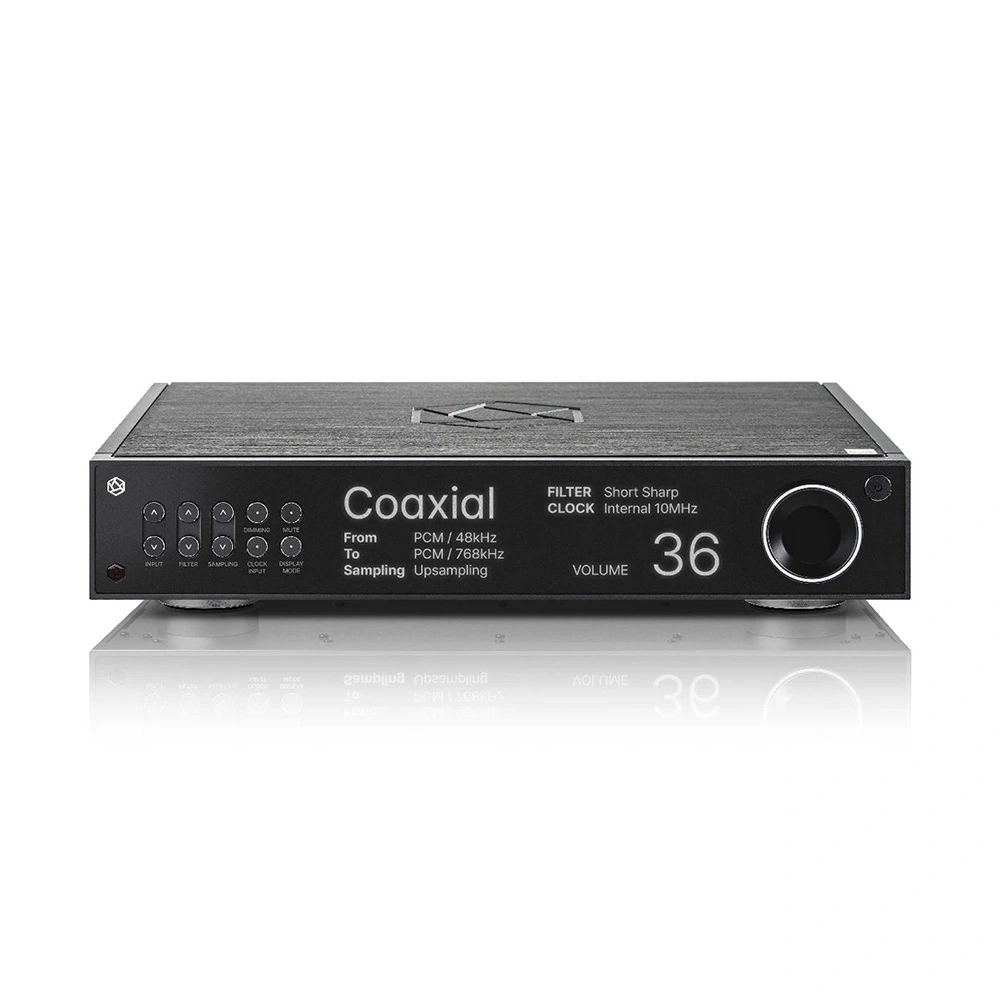
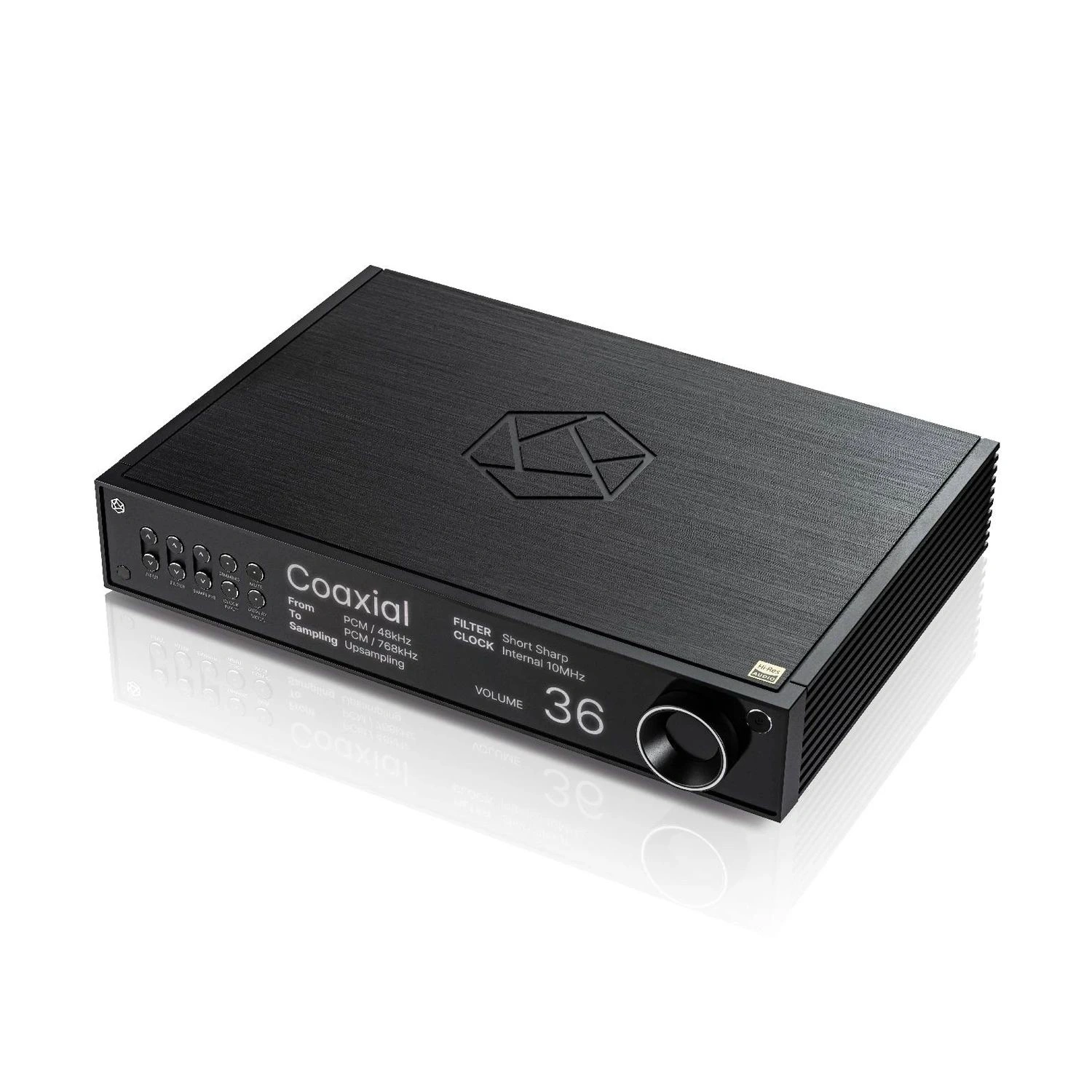
- Disappearing OLED display under "transparent aluminum", touchscreen
- Milled from a single piece of aluminum housing to protect from vibrations and radio interference
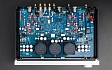
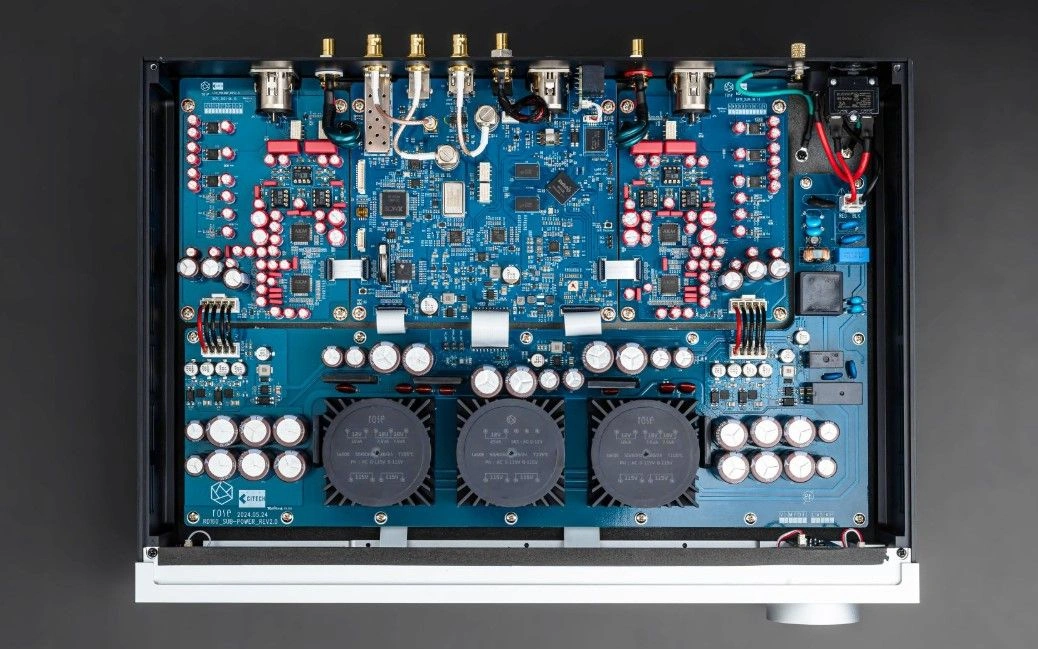
- "Dual mono" construction, fully balanced scheme of digital and analog audio paths
- One assembly of 1+1 AKM chips in each channel (right/left) (differential configuration)
- Separate power supply for control blocks, digital processing, and analog amplification, with sectioning for protection from mutual interference
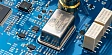
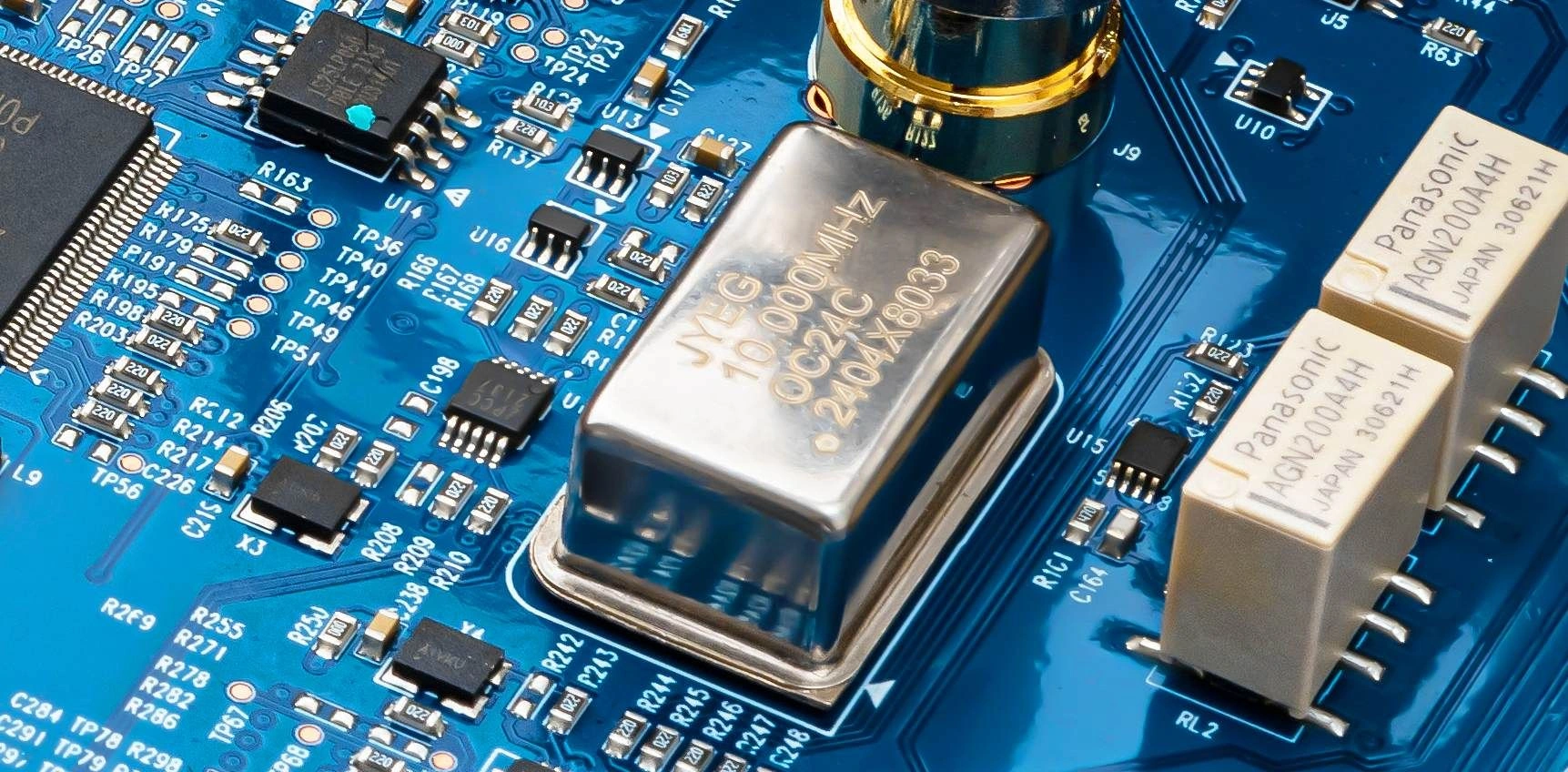
- Precision thermally stabilized clock generator (OCXO), input for an external generator
- Up-sampling and conversion to PCM or DSD. PCM up to 32 bit/768 kHz, DSD up to DSD512
- 6 switchable interpolation filter impulse characteristics
- SFP-USB optical interface
- Preamplifier for direct connection to active speakers or power amplifier (switchable)
- Metal remote control duplicates all controls on the front panel
RD160 stands out with extremely convenient intuitive control. The OLED display shows the device's functions visually, simply, in real-time. Anything related to digital signal processing - sets of interpolation filters with different impulse characteristics, up-sampling, displaying signal waveforms on the screen, etc. - is controlled by touching the screen or pressing a button on the metal remote control, with instant display feedback.
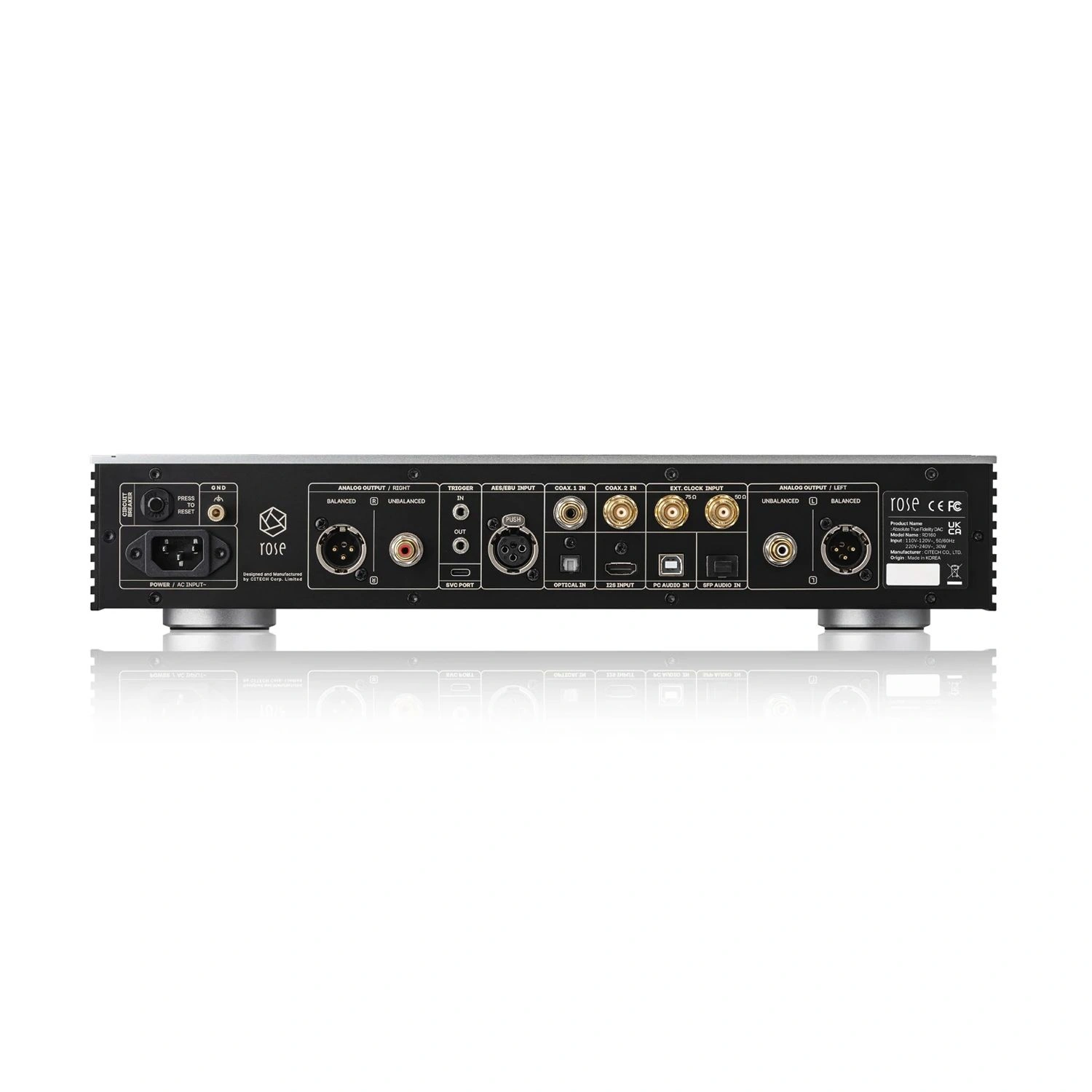
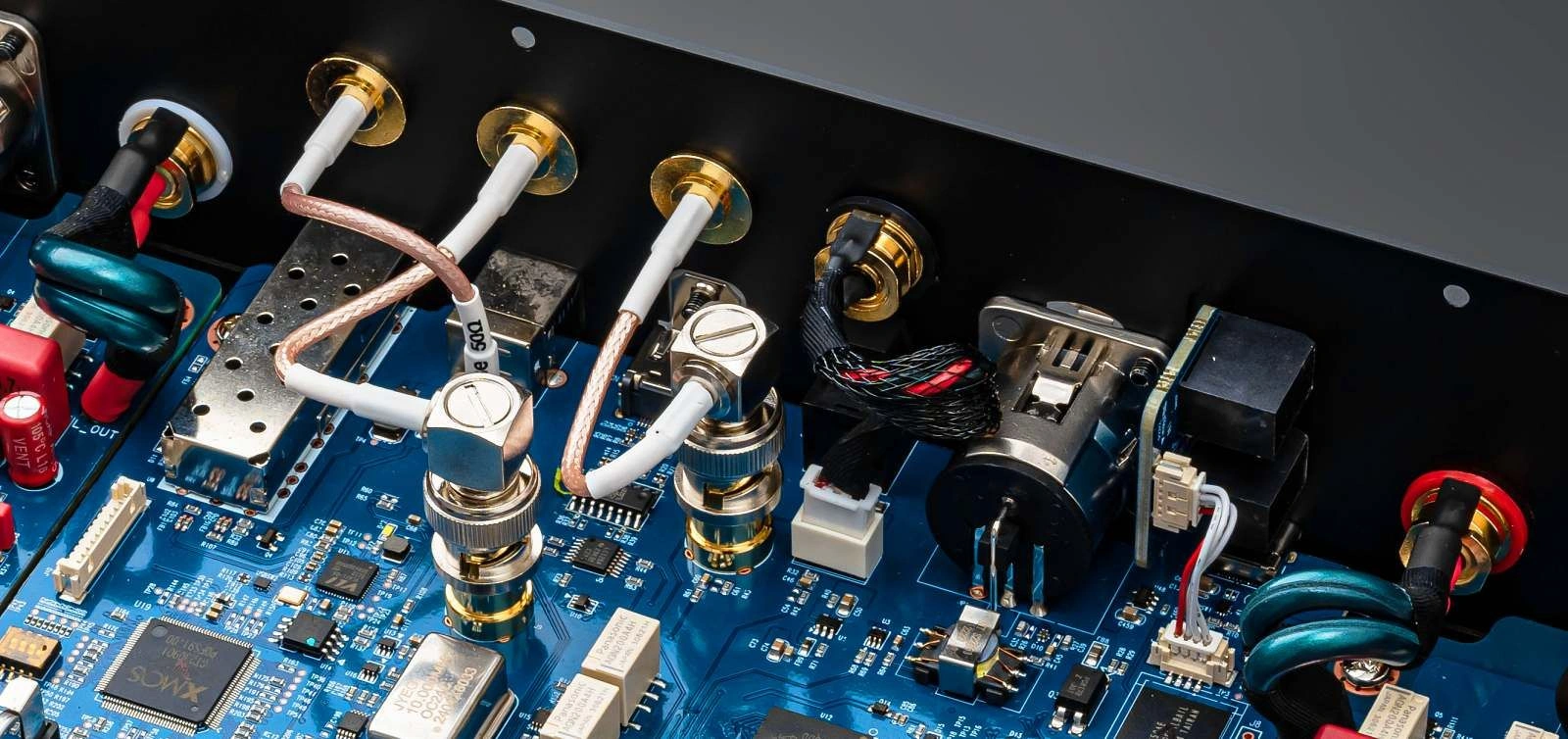
The variety of interfaces for connecting signal sources does not distract from the main purpose - connecting the RS130 network player, for which there is an SFP optical USB interface. The presence of an input for an external clock generator is interesting, hinting at the possible appearance of a third block in RS130/RD160, or, when using products from another manufacturer, a path to an upgrade by reducing jitter when connecting sources via SPDIF RCA/Toslink or AES/EBU interfaces. The HDMI connector on the rear panel also has a surprise - it is not an HDMI ARC for connecting digital sound from the TV, but an I2S, a more noise and jitter-resistant serial audio interface, for example also for connecting RS130 or another compatible streamer.
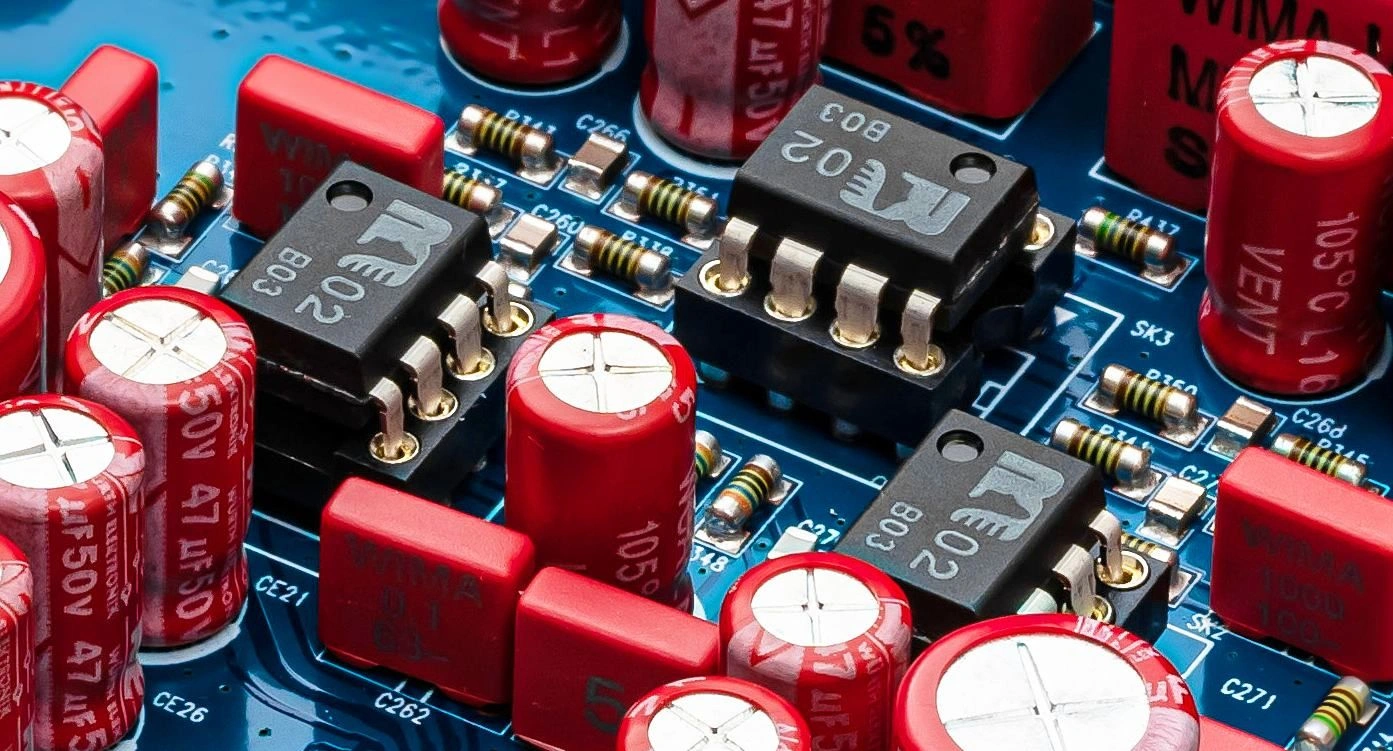
The technical implementation of digital-to-analog conversion in RD-160 is also original and unconventional, like its appearance. Collaboration with AKM allowed for the first application of a new two-chip set: AK4191 and AK4499EX. The first chip handles interpolation (digital filtering) and delta-sigma modulation, and the second chip handles the actual D/A conversion. Theoretically, this combination can work with signals of 64-bit resolution and a sampling frequency of 1536 kHz, but Rose uses it in 32/768 mode. Since the RD160 DAC is implemented as "dual mono", these two chips are used in each channel.
Structurally, Rose focuses on the CIM architecture (Completely Isolated & Modulated, a system of isolated modules), where the separation of the main nodes of the circuit (display and control, digital part, analog part) starts with separate linear power blocks and continues with a symmetrical scheme with physically isolated blocks for maximum interference reduction. The thermally stabilized clock generator, the same as in the RS130, provides maximum accuracy in following sync pulses responsible for preserving the phase characteristics of the original musical signal.
Package contents:
- Amplifier
- Remote control
- Power cable
- Manual
